








The Humidity and Heat Trap
Rainy days, particularly during the monsoon season, are often accompanied by high humidity. When the air is saturated with moisture, your sweat doesn't evaporate effectively. This is your body's primary cooling mechanism, and when it's impaired, your core
temperature can rise, putting you at risk for heat-related illnesses like heat exhaustion or even heatstroke. A 32°C day with high humidity can feel much hotter and place significant stress on your cardiovascular system, as your heart works overtime to try and cool you down. It's crucial to stay hydrated and recognize symptoms like dizziness, nausea, or excessive sweating as signs to stop and cool down.
Lightning: A Non-Negotiable Danger
Rain is one thing; a thunderstorm is another. Lightning is a serious and non-negotiable threat to anyone outdoors. It can strike up to 16 kilometres away from the actual storm, meaning that even if it isn't raining directly above you, you could still be in danger. The rule is simple: if you can hear thunder, you are close enough to be struck. Do not wait for the storm to be directly overhead. Seek immediate shelter in a substantial, enclosed building or a hard-topped vehicle. Open structures like pavilions, sheds, and standing under trees are not safe alternatives. Experts recommend waiting at least 30 minutes after the last clap of thunder before resuming any outdoor activity.
Slippery When Wet: The Risk of Injury
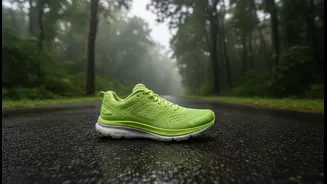
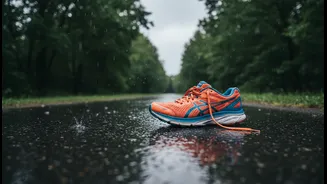
Wet surfaces dramatically increase the risk of slips, trips, and falls. Pavements, painted road markings, manhole covers, and trails become slick and hazardous. Puddles can hide potholes or uneven ground, leading to twisted ankles or other injuries. It is essential to wear footwear with good traction and to adjust your pace, taking shorter strides to maintain balance. Sticking to familiar, well-lit routes is a smart strategy, as you'll be more aware of potential hazards that might be obscured by the rain.
Poor Visibility for You and Others
Heavy rain significantly reduces visibility for both you and drivers. A downpour can make it difficult to see obstacles in your path, while drivers may struggle with fogged windshields and reduced contrast, making pedestrians nearly invisible. This is especially dangerous during dawn, dusk, or at night. To counteract this, always wear bright, reflective clothing. A lightweight, brightly coloured jacket or vest can make you more visible. A hat with a brim is also useful for keeping rain out of your eyes, improving your own vision.
The Risk of Hypothermia
While heat exhaustion is a risk in humid rain, hypothermia can be a danger in cooler, wet conditions. Wet clothing loses its insulating properties and causes your body to lose heat much faster than when it's dry. This can lead to a dangerous drop in body temperature, with symptoms like uncontrollable shivering, confusion, and drowsiness. To prevent this, avoid cotton clothing, which absorbs and holds water. Instead, opt for synthetic, moisture-wicking fabrics in layers. A water-resistant outer layer can help keep you dry, but breathability is also key to prevent sweat from getting trapped. As soon as your workout is over, change out of your wet clothes immediately and get warm.