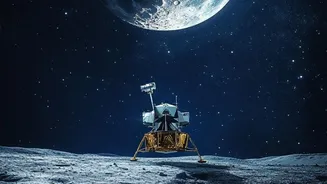






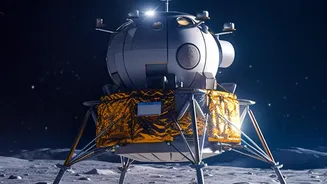
First, What Is the Lunar Outpost?
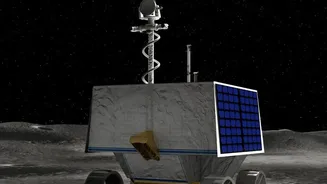
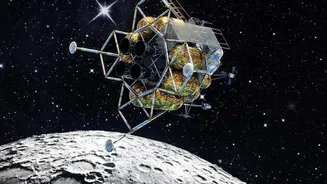
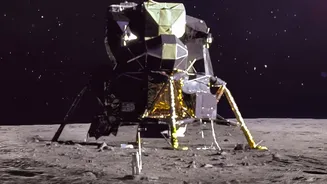
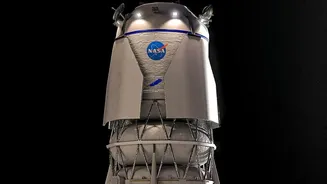
The program in question is part of NASA's broader Artemis initiative, which aims to establish a long-term human presence on the Moon. Instead of short visits, think of a permanent research station, a 'Moon Base,' likely near the lunar South Pole. This
region is of high scientific interest because its permanently shadowed craters are believed to hold water ice. This ice could be a game-changer, providing drinking water, breathable air, and even rocket fuel for future missions to Mars. The outpost would serve as a habitat for astronauts, a laboratory for science, and a staging point for deeper space exploration. Building it is a monumental task, which is why NASA isn't going it alone; it's assembling a coalition of international partners.
Why India, Why Now?
The invitation, extended in early August 2026 during a joint working group meeting in Bengaluru, is a testament to India’s rising status as a space powerhouse. The Indian Space Research Organisation (ISRO) has a string of impressive, cost-effective successes. Most notably, its Chandrayaan-3 mission made India the first nation to successfully land a spacecraft near the lunar South Pole in 2023. This wasn't just a technical achievement; it demonstrated expertise in the exact region where NASA wants to build its base. ISRO's reputation for frugal innovation and its proven track record in deep-space missions make it an attractive and capable partner for NASA's ambitious and expensive lunar plans. The move builds on years of growing cooperation, including the joint NISAR satellite mission and India's 2023 signing of the Artemis Accords, a set of principles for peaceful lunar exploration.
The Benefits for ISRO and India
For India, joining the lunar outpost program would be a massive technological and strategic leap. It offers a fast track to developing capabilities for human spaceflight and long-duration missions, which directly supports ISRO's own long-term goals of landing an astronaut on the Moon by 2040 and building its own space station. Collaboration provides access to NASA's vast experience, advanced technologies, and shared scientific data. It also guarantees India a crucial seat at the table in shaping the rules and standards for the future of space exploration and resource utilization. Instead of developing everything from scratch in isolation, ISRO can integrate its systems with a global standard, accelerating its own ambitions while contributing to a historic multinational project.
A Strategic Win for NASA and the U.S.
NASA gets more than just another flag at the base. Bringing ISRO into the fold is about resource sharing; partners help distribute the immense financial and technological burden of establishing a permanent lunar presence. But more importantly, it's a significant geopolitical move. As the United States works to build a broad coalition for its vision of space exploration through the Artemis Accords, every new major partner adds legitimacy and strength. Adding the world's largest democracy, a nation with proven lunar capabilities, sends a powerful message. This partnership strengthens the strategic alignment between the U.S. and India, extending a terrestrial partnership into the cosmos and creating a democratic counterweight to the alternative lunar exploration plans being developed by China and Russia.