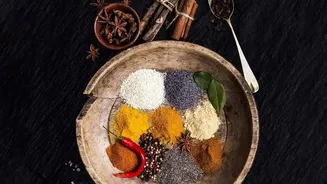








Turmeric (Haldi): The Golden Healer
This vibrant yellow spice is a cornerstone of Indian cooking and traditional medicine for good reason. Turmeric’s active compound, curcumin, is a powerhouse of anti-inflammatory and antioxidant properties. During the monsoon, when the body is more susceptible
to infections, incorporating turmeric can help strengthen your natural defences. It supports a healthy immune response and aids digestion, which often becomes sluggish in the humid weather. A simple way to include it is by adding a pinch to dals, vegetable dishes, or a warm glass of milk before bed.
Ginger (Adrak): The Digestive Aid
Ginger is a go-to remedy in most Indian households, especially when the weather changes. Its natural anti-inflammatory and antimicrobial properties make it excellent for fighting off seasonal colds and sore throats. More importantly for the monsoon, ginger is known to kindle 'Agni,' or the digestive fire, according to Ayurveda. This helps combat the bloating and indigestion common during this season. Adding freshly grated ginger to your morning tea, soups, or dals can help keep your digestive system running smoothly and your body warm.
Moong Dal: The Lightest Lentil
While all lentils are a great source of protein, moong dal stands out during the monsoon for being exceptionally light and easy to digest. When the digestive system is naturally weaker, heavy foods can lead to discomfort. A simple moong dal khichdi, cooked with rice, a little ghee, and digestive spices like cumin and turmeric, is considered an ideal monsoon meal. It provides sustained energy without putting a strain on your gut, making it a comforting and nourishing choice for any meal of the day.
Seasonal Gourds: Light and Nourishing
Vegetables like bottle gourd (lauki), ridge gourd (turai), and bitter gourd (karela) are staples in a traditional monsoon diet. These vegetables have high water content and are rich in fibre, making them easy to digest. They are also low in calories and absorb spices well, making them versatile for various preparations like soups, stews, and simple stir-fries. Bitter gourd, in particular, is valued for its ability to prevent infections. Opting for well-cooked seasonal vegetables over raw salads is a safer choice, as it reduces the risk of water-borne contamination.
Garlic (Lehsun): The Immunity Booster
Alongside ginger, garlic is another kitchen staple with powerful medicinal properties. Known for its antiviral and antibacterial effects, garlic is a potent food for boosting immunity during the rainy season. Including it in your daily cooking can help your body combat infections and stay resilient. It adds a strong, aromatic flavour to curries, dals, and vegetable dishes. For maximum benefit, it's often recommended to crush or chop garlic and let it sit for a few minutes before cooking to activate its beneficial compounds.
Buttermilk (Chaas): The Probiotic Cooler
While heavy dairy products can feel difficult to digest during the monsoon, buttermilk is a lighter, healthier alternative. This probiotic-rich drink supports gut health, which is closely linked to a strong immune system. A glass of fresh buttermilk, especially when seasoned with roasted cumin powder and a pinch of black salt, can aid digestion after a meal and prevent the feeling of heaviness. It's a refreshing and hydrating choice that helps maintain a healthy balance of gut bacteria.
Pomegranate (Anaar): The Smart Seasonal Fruit
During the monsoon, it's wise to be cautious with raw fruits that can spoil quickly or carry contaminants. Pomegranate is an excellent seasonal choice as its tough outer skin protects the seeds inside. It is packed with Vitamin C and powerful antioxidants that help reduce inflammation and support the body's defence mechanisms against infection. Pomegranate is also known to be beneficial for digestion, making it a safe and healthy fruit to enjoy during the rains.