






What Exactly Is Ambali?
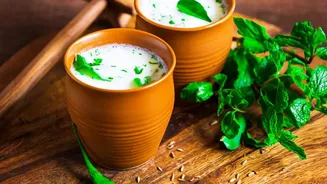
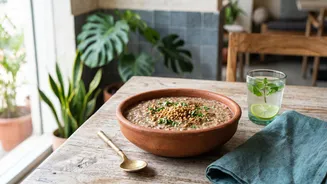
At its core, Ambali is a traditional, nutritious beverage originating from South Indian states like Karnataka, Andhra Pradesh, and Telangana. It’s a simple preparation made by cooking ragi (finger millet) flour into a porridge, which is then allowed to ferment
overnight. This process gives it a characteristic mildly sour, tangy flavour. Historically a farmer's meal or a summer coolant in rural households, it can be served savoury, often mixed with buttermilk, salt, and sometimes a tempering of spices, or sweet with jaggery. With a thin texture and an earthy taste, it’s known for being both light and incredibly refreshing.
The Fermentation Factor
The magic of Ambali lies in fermentation. Before probiotics became a wellness buzzword, drinks like Ambali were delivering gut-friendly bacteria to the body. The fermentation process enriches the drink with probiotics, which are beneficial microorganisms that support a healthy gut microbiome. A balanced gut is linked to improved digestion, stronger immunity, and even better mood through the gut-brain axis. Furthermore, fermentation breaks down 'anti-nutrients' like phytic acid naturally present in grains. This makes essential minerals like calcium, iron, and zinc within the ragi more bioavailable, meaning your body can absorb them much more effectively.
Ragi's Superfood Status
The other half of Ambali's power comes from its main ingredient: ragi. Finger millet is a nutritional powerhouse, celebrated for centuries in Indian diets. It is one of the best non-dairy sources of calcium, crucial for bone health. Ragi is also packed with dietary fibre, which promotes feelings of fullness, aids in weight management, and helps prevent constipation. Being naturally gluten-free, it’s an excellent choice for those with gluten sensitivities or celiac disease. Moreover, its low glycemic index helps in regulating blood sugar levels, making it a favourable option for individuals managing diabetes.
From Village Staple to Urban Elixir
So, why is this rustic drink suddenly appearing on cafe menus? The answer is a larger cultural shift. Today's health-conscious urbanites are increasingly looking for authenticity and are turning away from highly processed foods and drinks. There's a growing movement to reconnect with traditional Indian food wisdom—the 'grandmother’s recipes' that were inherently nutritious and sustainable. Ambali fits this narrative perfectly. It’s a clean, whole-food-based drink with a rich history and scientifically-backed health benefits. Cafes are tapping into this desire for wellness that feels both modern and rooted in tradition, positioning Ambali as a local, healthier alternative to commercial probiotic drinks.
A Modern Wellness Ritual
For the modern health enthusiast, ordering an Ambali is more than just a dietary choice; it's a statement. It signifies a preference for natural, functional foods over factory-made supplements. It’s about embracing a holistic approach to health that includes everything from gut-friendly foods to drinks that cool the body naturally. As consumers become more educated about ingredients and their origins, the demand for transparent, nutrient-dense options like Ambali is on the rise. It’s not just a drink; it's the delicious, tangible result of a growing cultural appreciation for India's own superfoods.