



An Accidental Experiment
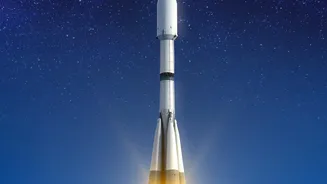
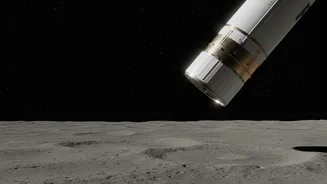
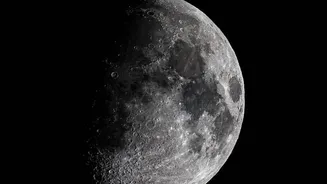
A four-tonne upper stage of a SpaceX Falcon 9 rocket is on a collision course with the Moon, expected to hit at over 8,000 kilometres per hour. This wasn't a planned mission; it's a fortunate accident for science. The rocket stage was part of a January
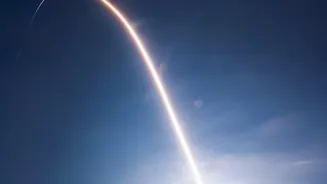
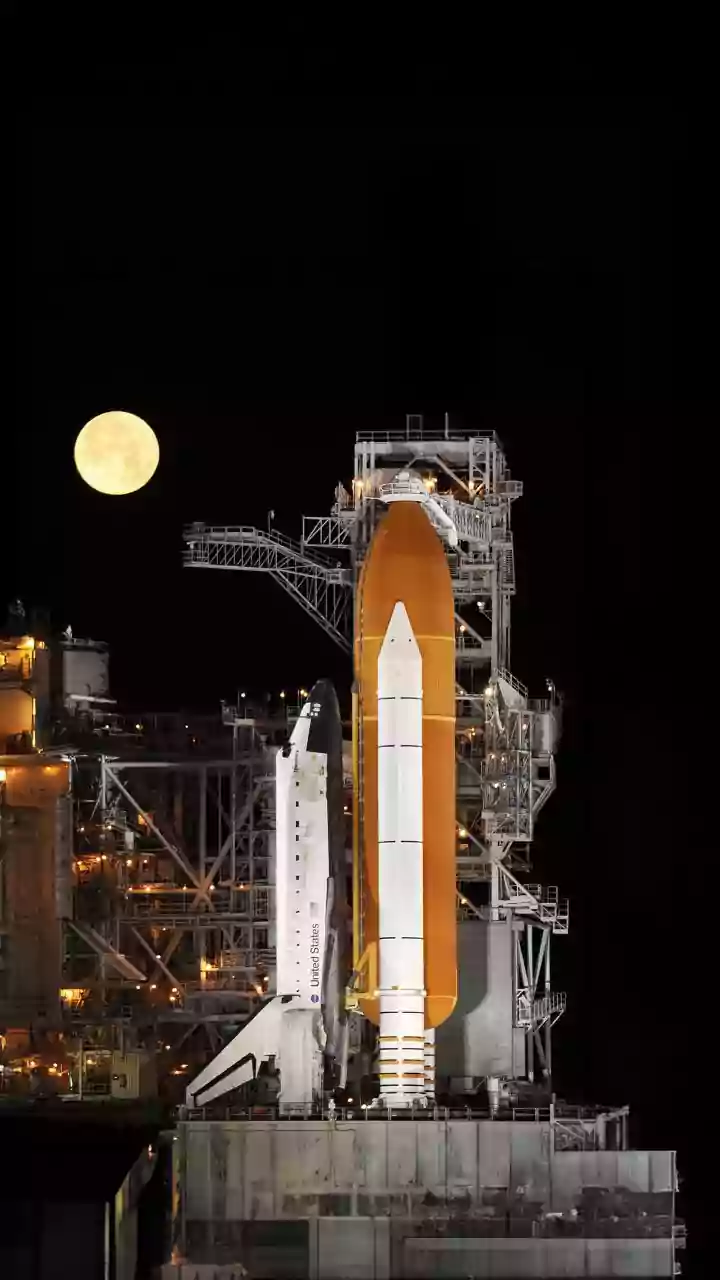
2025 launch that successfully sent two lunar landers on their way. After completing its job, the booster was left in a chaotic orbit. Over the past 19 months, a combination of solar activity and gravitational forces has nudged it into this final, dramatic trajectory toward the lunar surface. While SpaceX and NASA have been tracking the object, its path was first identified by independent astronomers using publicly available data. This unplanned event has presented researchers with a rare, impromptu opportunity to peek beneath the Moon's surface.
Studying the Plume
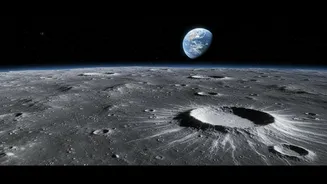
One of the key scientific goals is to study the plume of material, or ejecta, that will be blasted from the impact site. The collision is expected to create a crater up to 27 meters wide and hurl dust and rock miles above the lunar surface. Because the Moon has no atmosphere, this plume can be analyzed by telescopes to determine its composition. Following the impact early Wednesday morning, scientists using the Very Large Telescope in Chile reported detecting a plume containing sodium and lithium that lasted for five to ten minutes. This gives them a chemical fingerprint of the material just below the surface in the impact zone, near a feature known as Einstein Crater. Studying this ejected material can reveal clues about the Moon's geology and composition, much like a geologist studies layers of rock on Earth.
Listening for a Moonquake
Beyond the visible plume, scientists are interested in the seismic shockwave the impact will generate—a 'moonquake'. During the Apollo era, NASA intentionally crashed spent rocket stages onto the Moon to study the resulting seismic waves. The seismometers left by astronauts revealed that the Moon's crust is highly fractured and that seismic waves can reverberate for a long time, ringing the Moon like a bell. These experiments provided invaluable data about the Moon's internal structure. Unfortunately, those seismometers were switched off in 1977, so there are no active instruments on the surface to directly record this new impact. However, studying the new crater with orbiting probes like NASA's Lunar Reconnaissance Orbiter and understanding the impact's energy can help refine models for future seismic experiments. This data is crucial for planning the safety of future lunar bases and understanding impact hazards.
A Legacy of Lunar Impacts
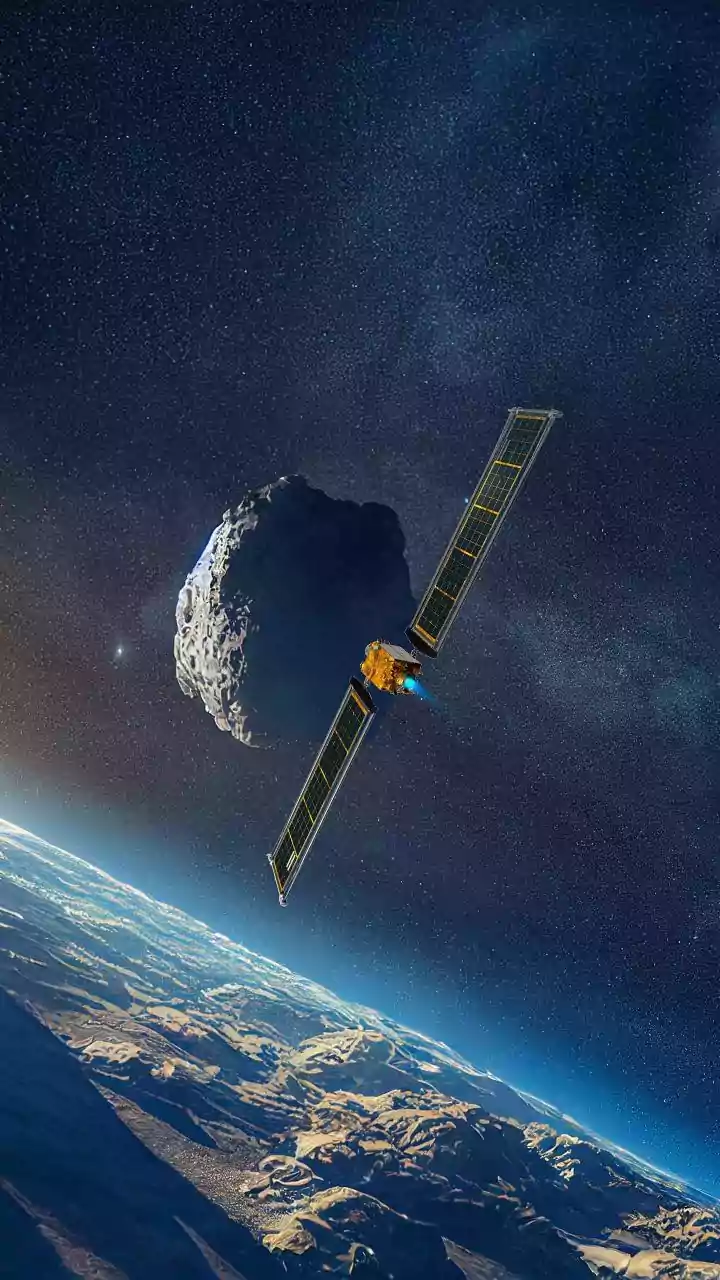
While this specific impact is unintentional, crashing hardware on the Moon for science is not new. The first man-made object to hit the Moon was the Soviet Union's Luna 2 probe in 1959. The Apollo program frequently used its massive Saturn V third stages for seismic experiments. More recently, in 2009, NASA's LCROSS mission deliberately impacted a crater at the lunar south pole and confirmed the presence of water ice in the ejected plume—a discovery that has shaped the goals of the current Artemis missions. While this Falcon 9 impact is not expected to find water in the same way, the observations of the crater and plume will add another valuable data point to our understanding of the Moon. This event also highlights the growing issue of 'lunar litter' as more missions head to the Moon, raising questions about responsible disposal of space hardware.