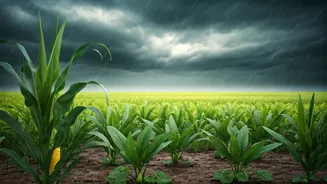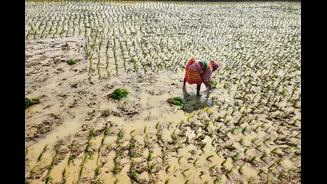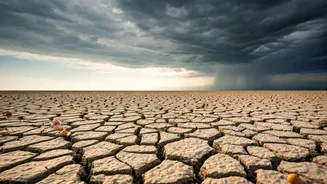











The Gamble of Sowing Too Soon
For a farmer, the first rains of the monsoon bring a powerful sense of hope and urgency. The instinct is to get seeds in the ground immediately to make the most of the season. However, acting on this instinct this year could be a costly mistake. Agricultural
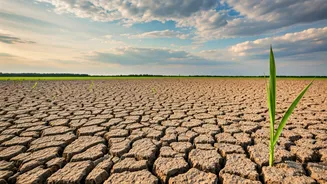
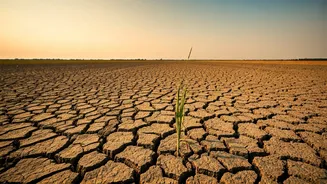
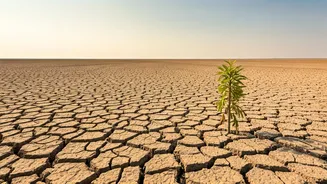
scientists and meteorologists are warning that the initial showers may be followed by a prolonged dry spell. Sowing seeds in soil that doesn't have enough sustained moisture is a recipe for disaster. The seeds may fail to germinate at all, or the young saplings could wither and die under the intense heat, a phenomenon known as seedling mortality. This leads to a complete waste of expensive inputs—seeds, fertilisers, and labour—forcing farmers to re-sow, which doubles their costs and eats into any potential profit.
Understanding the Monsoon 'Break'
The Southwest Monsoon doesn't arrive as a single, continuous downpour. It moves in fits and starts, often punctuated by 'break' periods. A 'break' is a phase where, after an initial burst of rain, the monsoon circulation weakens, leading to several days or even weeks of little to no rainfall and higher-than-normal temperatures. This year, the India Meteorological Department (IMD) has noted such a pattern emerging. Sowing during this deceptive phase is risky because the topsoil might seem damp, but the moisture doesn't penetrate deep enough to support a growing plant through a subsequent dry spell. The real, consistent rains are what replenish the soil's moisture profile, creating the ideal conditions for germination and early growth.
What 'Consistent Rains' Actually Look Like
So, if the first showers aren't the green light, what is? Experts advise farmers to look for clear, objective signals before starting their sowing operations. The general consensus is to wait until the area has received at least 25-30 mm of cumulative rainfall over a few days. This isn't about one massive cloudburst. It's about a sustained period of moderate rain that allows water to percolate deep into the soil. A good rule of thumb is to check the soil moisture. Sowing should only begin when the soil is moist up to a depth of at least 15 cm, or about six inches. This ensures there's enough of a water reservoir in the ground to sustain the young crop if another dry spell occurs. Relying on the forecast for the coming week, in addition to actual rainfall received, is a sound strategy.
Crop-Specific Advice is Key
The advice to delay sowing isn't a one-size-fits-all instruction. It varies based on the crop. Rain-fed crops like cotton, soybean, and various pulses (tur, moong) are particularly vulnerable to moisture stress in their early stages. For these crops, waiting for adequate soil moisture is non-negotiable. Farmers in regions like Maharashtra's Vidarbha and Marathwada, major cotton and soybean belts, have been explicitly told to wait. However, the calculation is different for paddy (rice). Since rice is typically transplanted from a nursery into a flooded field, farmers can use this time to prepare their nurseries, with the final transplantation timed to coincide with the arrival of heavier, more consistent rains. For crops like maize and groundnut, the principle remains the same: ensure sufficient soil moisture before committing seeds to the soil.
Listen to the Local Experts
National advisories provide a broad picture, but the most valuable guidance often comes from local sources. Agricultural universities across the country, such as Punjab Agricultural University (PAU) and Vasantrao Naik Marathwada Agricultural University (VNMKV), release detailed, region-specific advisories. These institutions analyse local weather data and soil conditions to provide tailored recommendations. Farmers are strongly encouraged to pay attention to bulletins from their state agricultural departments and local Krishi Vigyan Kendras (KVKs). These bodies often disseminate information via SMS, community radio, and local newspapers, providing the most relevant and up-to-date advice for your specific area.