

From Kitchen Skill to Economic Engine
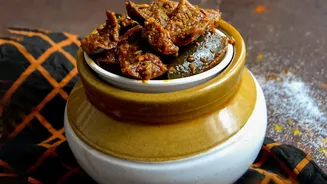
For centuries, the art of making 'achaar' was considered unpaid domestic labour, a skill passed down through generations of women. Grandmothers and mothers were the custodians of secret family recipes, mastering the complex balance of sun, salt, and spice
to preserve the harvest. Today, that very knowledge is being transformed into a powerful tool for financial independence. Across India, women are turning this inherited culinary expertise into thriving businesses. What started as selling extra batches to neighbours has evolved into a significant cottage industry, demonstrating how a traditional skill can become an entire local economic ecosystem.
The Rise of Women-Led Collectives
The real force behind this movement is collective action. Self-Help Groups (SHGs) and cooperatives have become instrumental in scaling up production from home kitchens to small-batch enterprises. In states like Kerala, the Kudumbashree network has helped women's groups turn pickle making into sustainable livelihoods. Similarly, brands like Prakritik Swad in Jharkhand and Aamra in Ghaziabad are built around empowering local women, providing them with fair wages, skill training in hygiene and packaging, and a sense of agency. For many, this is the first time they have earned their own income, reducing dependency and elevating their status within their families and communities.
Preserving More Than Just Food
These artisanal enterprises do more than just generate income; they are vital archives of culinary heritage. In a world of mass-produced foods, they keep unique, regional recipes alive. From the fiery mango pickles of Andhra Pradesh and the sweet 'chhundo' of Gujarat to the unique bamboo shoot and fish pickles of the Northeast and Goa, each jar tells a story of a specific place, climate, and culture. Brands like PICKLLUM are explicitly focused on documenting and protecting recipes from tribal communities in Northeast India, ensuring this knowledge is not lost. By choosing these products, consumers are directly supporting the preservation of India's immense food diversity.
Digital Platforms and Global Appetites
The reach of these local artisans is no longer limited to village markets. The digital boom has become a game-changer. E-commerce platforms and social media have allowed small-scale entrepreneurs to connect directly with urban and international customers, bypassing traditional supply chains. Artisans who started with investments as small as a few hundred rupees are now shipping their products across the country and the world. The growing global interest in Indian cuisine, coupled with a consumer desire for authentic, preservative-free foods, has created a significant market for these handcrafted products. This digital marketplace provides a global stage for what is an intensely local craft, creating a sustainable model for the future.