

For gold investors, 2026 has been a volatile ride. After hitting record highs early in the year, the metal has seen a significant price correction. But as the year draws to a close, a compelling historical pattern offers a glimmer of hope.
The Anatomy of a Rebound
Financial markets
are full of seasonal trends and historical patterns, and gold is no exception. One of the more closely watched phenomena is gold's tendency to stage a rally in the final quarter of the year. This pattern is not just a statistical quirk; it is often rooted in fundamental demand drivers that peak towards the year's end. In India, the post-monsoon festive and wedding seasons, which typically run from October to December, represent a period of immense cultural and physical demand for gold. Jewellers often begin stocking up weeks in advance, creating upward price pressure. This regional demand syncs with global trends, including holiday buying in Western markets and preparations for Chinese New Year, which also boosts demand. Historically, this has sometimes created a powerful springboard for prices, especially after a period of decline when 'bargain hunters' and institutional investors step in.
A Look at the 2026 Picture
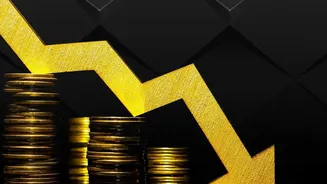
The year 2026 began with gold prices shattering records, reaching an all-time high of around $5,600 per ounce in January. This surge was a continuation of a powerful rally through 2024 and 2025, driven by aggressive central bank buying, geopolitical uncertainty, and concerns over inflation and currency debasement. However, what goes up can come down. Since that January peak, gold has experienced a significant downturn. As of mid-November 2026, the price had fallen considerably, with a year-to-date decline of over 18%. A recent report noted a 29.4% correction from the 2026 peak, a substantial drop by any measure. This sharp decline has set the stage for the classic year-end question: will history repeat itself and provide a late-year recovery?
Why Does This Pattern Happen?
Beyond the seasonal cultural demand from India and China, several macroeconomic factors contribute to gold's potential for a year-end comeback. One key driver is the behaviour of institutional investors. As the year closes, fund managers often rebalance their portfolios. After a stock market rally, some may sell equities to lock in profits and rotate into assets perceived as safer, like gold. The metal's performance during times of crisis has historically made it a go-to for diversification. Furthermore, interest rate expectations play a huge role. Gold pays no dividend, so it becomes more attractive when interest rates are low or expected to fall, as this reduces the 'opportunity cost' of holding a non-yielding asset. If markets anticipate that central banks, like the US Federal Reserve, might ease monetary policy in the coming year, it can provide a powerful tailwind for gold prices. A weaker US dollar, which often moves inversely to gold, can also make the metal cheaper for international buyers, further stoking demand.
A Pattern, Not a Promise
While the historical data is compelling, it's crucial for investors to remember that past performance is not a guarantee of future results. Several factors could disrupt a potential year-end rally. Unexpectedly hawkish moves from central banks, such as raising interest rates to fight persistent inflation, would make interest-bearing assets more attractive and could pressure gold prices downward. A surprisingly strong US dollar would also act as a headwind. Furthermore, historical data shows that recovering from major price crashes can be a long process. One analysis noted that after the 1980 peak, it took gold over 26 years to reclaim its high in nominal terms. Even the correction after the 2011 peak took nearly nine years to fully recover. These examples serve as a sober reminder that while seasonal patterns exist, they operate within a much larger, and often unpredictable, global macroeconomic environment.