




The Body's Secret Calming Nerve
At the heart of this technique is the vagus nerve, the longest cranial nerve in your body. Think of it as a superhighway for information, connecting your brain to major organs like your heart, lungs, and gut. The vagus nerve is the primary component of your parasympathetic
nervous system, often called the 'rest-and-digest' system. This system works to counteract the 'fight-or-flight' response that drives feelings of anxiety and panic. When the vagus nerve is stimulated, it slows your heart rate, regulates your breathing, and signals to your body that it's safe to relax.
The Science of the Splash
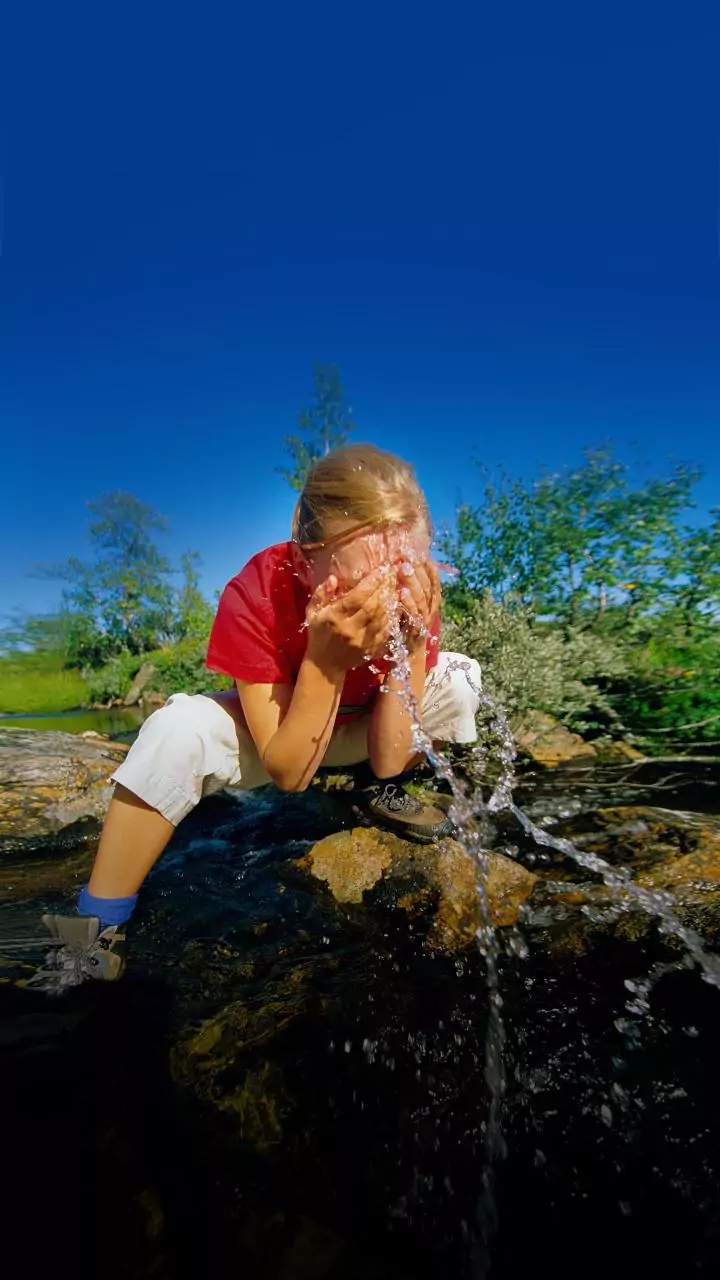
Splashing or dunking your face in cold water triggers a powerful, involuntary reaction known as the mammalian diving reflex. This is an ancient survival mechanism hardwired into all mammals to conserve oxygen when submerged in water. When cold water hits the receptors on your face, particularly around your eyes and cheeks, it sends an immediate signal to the vagus nerve. This activation promptly slows your heart rate and redirects blood flow from non-essential limbs to your vital organs, namely the brain and heart. This physiological shift is what helps interrupt the cycle of panic and brings about a sense of calm.
How It Eases Anxiety
During moments of high anxiety or a panic attack, your sympathetic nervous system is in overdrive, causing symptoms like a racing heart, rapid breathing, and racing thoughts. By activating the mammalian diving reflex, you are essentially hitting a physiological reset button. The cold water forces the vagus nerve to engage the parasympathetic 'rest-and-digest' system, which directly counteracts the 'fight-or-flight' state. This rapid downshift in your body’s arousal state can provide almost instant relief from the physical symptoms of anxiety, creating a window of clarity and allowing you to regain a sense of control. Regular practice may even help build resilience to stress over time.
How to Do It Safely and Effectively
You don't need to plunge into an icy lake to reap the benefits. A simple and effective method can be done at home. Fill a large bowl with cold water; adding a few ice cubes can increase the effect, but tap water is often cold enough. Take a deep breath and hold it while immersing your face in the water for 15 to 30 seconds. Ensure the cold water makes contact with the area around your eyes and your cheeks to properly trigger the reflex. If a bowl isn't handy, pressing a cold compress, ice packs, or even chilled soda cans against your face while holding your breath can also work.
Important Considerations and Risks
While this technique is generally safe for most people, it's not for everyone. The initial shock of cold water can cause a temporary spike in heart rate and blood pressure before the calming effect kicks in. Because of this cardiovascular stress, individuals with pre-existing heart conditions or high blood pressure should consult their doctor before trying it. The goal is to create a controlled stressor, not a dangerous shock to your system. If you have any underlying health issues, especially related to your heart or circulation, seeking medical advice is crucial.