








Beyond the Metros: The Real Story of Indian Growth
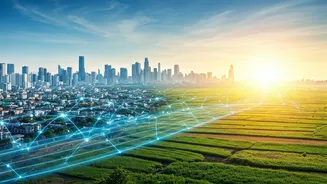
The narrative of India's consumption story is no longer exclusively written in the metros. The real action is shifting to Tier 2 and Tier 3 cities, which are now the primary engines of economic momentum. [12, 16] Reports indicate that these non-metro
markets are increasingly driving national consumption patterns, with some Tier 3 cities even recording a staggering 77% surge in digital payments for categories like jewellery. [7] This isn't just a fleeting trend; it's a structural shift. With improving infrastructure, rising disposable incomes, and the rapid scale-up of digital public infrastructure like UPI, consumers in these cities are confidently entering the market. [7, 12] In fact, e-commerce players have found that nearly 60% of their new customers since 2020 have come from Tier 3 and smaller cities, demonstrating where the future audience lies. [25] By 2030, nearly 500 new 'consumer cities' are expected to emerge across India, requiring businesses to look far beyond the traditional megacities to find their next million customers. [10]
Decoding 'Regional': It's More Than Just Language
A successful regional strategy goes far deeper than simply translating an ad campaign into a local language. True regional intelligence means understanding the nuanced cultural fabric that dictates consumer choices. This includes everything from festival-specific spending, which plays a huge role in discretionary spending in Tier 3 markets, to local palate preferences and community-driven trust signals. [12] For instance, brands like Pothys in Chennai and Chitale Bandhu in Pune have become institutions by embedding themselves in the local culture. [5] Consumers in non-metro India are not necessarily looking for the lowest price; they are looking for the lowest risk. [8] Trust is the most decisive factor, with word-of-mouth and community validation heavily influencing purchase decisions. [12] Businesses that succeed are those that feel local, understand neighbourhood needs, and build a sense of community trust that a generic national campaign can never achieve. [2, 8]
The Hyper-Local Playbook: Data, Not Stereotypes
The rise of regional commerce is powered by technology that allows businesses to execute hyper-local strategies at scale. Digital platforms and data analytics are enabling companies to move beyond outdated stereotypes and engage with customers on a granular level. [2] Hyper-local marketing focuses on targeting customers within a specific neighbourhood or even a pin code, using tools like geo-targeted social media ads and local SEO. [2, 3, 4] This approach is highly effective; studies show that 76% of people who perform a local search visit a nearby business within 24 hours. [2] E-commerce platforms are also adapting, with logistics networks now covering 99% of India's PIN codes. [13] Models like quick commerce (Q-commerce) are expanding aggressively into over 80 Tier 2 and Tier 3 cities, lowering the barrier for brands to reach new customers and enabling them to test products in new markets with real-time data. [7, 26]
Putting the Code into Practice
For businesses looking to crack the regional code, the strategy involves a multi-pronged approach. First, it requires a shift in mindset from mass marketing to building 'neighbourhood authority'. [3] This can involve collaborating with local micro-influencers who have authentic community trust, or using platforms like WhatsApp for localised promotions. [3, 6] Second, businesses must align their online presence with their physical-world strategy. This means optimising for “near me” searches on Google Maps and ensuring real-time inventory updates for local stores. [3, 6] Third, brands need to build credibility. In Tier 2 and Tier 3 cities, consumers are known to be research-driven, with 43% actively verifying brands on official websites before buying. [12] Finally, success depends on achieving a blend of digital efficiency and genuine local connection, fostering a sense of loyalty that no discount can replicate. [5, 6]