






What Exactly Is Zone 2 Training?
Zone 2 training is a form of low-intensity, steady-state cardio. The goal is to keep your heart rate between 60% and 70% of your maximum for an extended period. At this level of effort, you should be able to hold a conversation without gasping for breath.
The primary benefit of this method is building a strong aerobic base. It trains your body to become more efficient at using fat for fuel instead of relying solely on readily available glucose. This process enhances the density and function of your mitochondria, the powerhouses of your cells, leading to improved endurance and better overall cardiovascular health. Because the intensity is manageable, it requires less recovery time, allowing for more consistent training without the risk of overexertion.
Why the Rower Is Your Best Ally
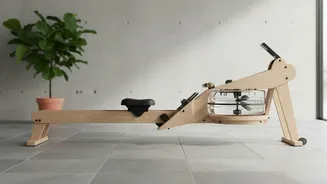
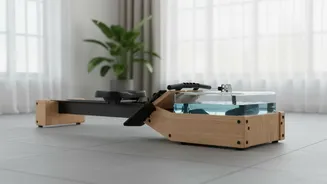
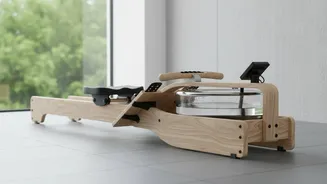
The rowing machine is an exceptional tool for Zone 2 training, primarily because it's a low-impact, full-body workout. Unlike running, which can pound the knees, hips, and ankles, rowing involves a smooth, fluid motion that is gentle on your joints. This makes it an ideal choice for people of all fitness levels, including those managing existing joint pain or seeking to prevent future issues. Furthermore, rowing engages approximately 85% of your body's muscles, including the legs, core, back, and arms. This comprehensive muscle engagement not only provides a superior calorie-burning workout but also strengthens the muscles that support your joints, providing better stability and reducing injury risk.
Finding Your Personal Zone 2
To train effectively, you need to identify your personal Zone 2 heart rate. A simple, albeit general, method is the '220 minus age' formula to estimate your maximum heart rate (MHR), then calculating 60-70% of that number. For example, a 40-year-old has an estimated MHR of 180, making their Zone 2 range approximately 108-126 beats per minute. For a more accurate measurement, a chest strap heart rate monitor is the gold standard. However, the most practical and accessible method is the 'talk test'. While rowing, you should be able to speak in full sentences comfortably. If you can only manage one or two words, you're working too hard. If you can sing, you're likely going too easy. This zone should feel surprisingly gentle, which is key to its sustainability.
Structuring Your Rowing Workout
A typical Zone 2 rowing session should last between 30 and 90 minutes, but beginners can start with shorter durations and gradually increase their time. A good starting point for beginners is 20-30 minutes, three times per week. Always begin with a 5-10 minute warm-up of light rowing to prepare your body. Then, settle into your Zone 2 pace, keeping your stroke rate consistent—often between 20 and 24 strokes per minute. Focus on maintaining your target heart rate and consistent form rather than speed. Finish your workout with a 5-minute cool-down of slow, easy rowing to allow your heart rate to return to normal. Consistency is more important than intensity when building an aerobic base.
Perfecting Your Form to Prevent Injury
While rowing is low-impact, poor form can still lead to strain, particularly in the lower back or knees. The rowing stroke should be a fluid sequence: legs, core, arms on the way back, then arms, core, legs on the way forward. The power comes primarily from your legs (60-80%), not your arms. Keep your back straight by hinging at the hips, not rounding your spine. Avoid over-compressing at the front of the stroke by ensuring your shins don't go much past vertical, and don't hyperextend your knees at the end of the drive. Maintaining a relaxed grip on the handle will prevent unnecessary tension in your forearms and shoulders. By focusing on proper technique, you ensure the workout remains both safe and effective.