





Makhana: The Humble Snack's Glow-Up
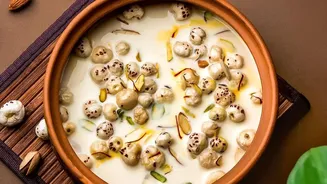
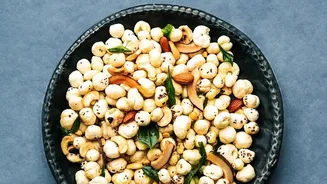
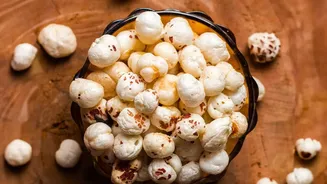
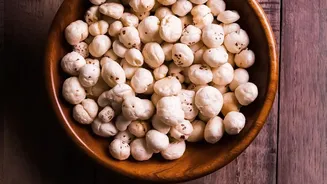
For generations, makhana, or fox nuts, were a simple, unassuming snack, often consumed during fasts. Today, they are hailed as a superfood, filling shelves in a variety of new and exciting flavours, from peri-peri to pudina. The primary driver of this
transformation is a massive shift toward healthy snacking. Consumers are actively seeking alternatives to fried chips and processed foods, and makhana fits the bill perfectly. Naturally low in calories and fat, they are rich in plant-based protein, fibre, magnesium, and potassium. Their low glycemic index also makes them a suitable snack for managing blood sugar levels. This impressive nutritional profile, combined with its inherent gluten-free nature, has made it a favourite among health-conscious millennials, fitness enthusiasts, and parents looking for nutritious options for their children. The journey from local ponds in Bihar, which accounts for the vast majority of India's production, to global e-commerce platforms has been rapid, fueled by clever marketing and a growing awareness of its benefits.
The Millet Movement: A Return to Roots
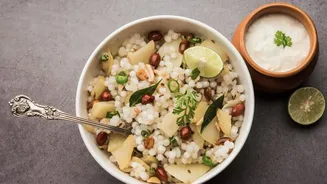
Millets like jowar, bajra, and ragi are not new to India; they are ancient grains that were once dietary staples. Their resurgence is a story of both policy and public consciousness. A significant push came when the United Nations, at India's suggestion, declared 2023 the International Year of Millets, catapulting these grains into the global spotlight. This campaign highlighted not only their nutritional superiority but also their environmental benefits. Millets are climate-resilient crops that require significantly less water than rice and wheat, making them a sustainable choice for farmers in arid regions. For consumers, the appeal lies in their health benefits. Millets are gluten-free, high in fibre, and packed with essential minerals, which aids in digestion and can help manage chronic conditions like diabetes. As awareness about clean eating and sustainable agriculture grows, urban households are increasingly incorporating millets back into their diets, moving them from the 'poor man's grain' to a 'smart superfood'.
Greek Yoghurt: The Protein-Packed Powerhouse
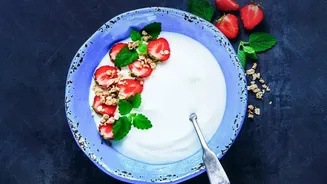
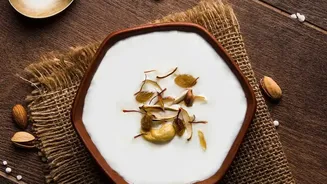
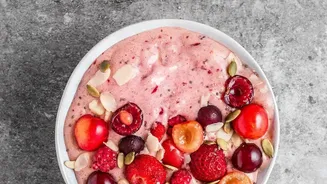
While dahi has always been a cornerstone of Indian meals, Greek yoghurt has successfully carved out a significant niche, particularly in urban areas. Its popularity is overwhelmingly driven by one key factor: protein. Through a straining process that removes excess liquid whey, Greek yoghurt achieves a thicker, creamier texture and a much higher protein concentration—often double or triple that of traditional curd. This makes it incredibly appealing to the fitness community for muscle repair and to anyone seeking a more filling and satiating snack. Its versatility is another major advantage. Unlike dahi, which is primarily an accompaniment, Greek yoghurt is positioned as a meal component in itself—a base for smoothies, a breakfast bowl with granola, or a healthy substitute for mayonnaise in dips. While it comes at a premium price, a growing segment of health-aware consumers sees it as a worthwhile investment in their dietary goals, supported by the easy availability through quick commerce platforms.
A Unified Trend: The Quest for Mindful Eating
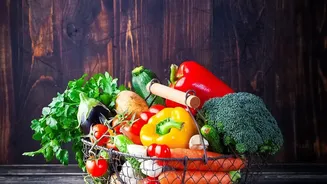
The simultaneous rise of these three distinct food items is no coincidence. It points to a larger, unifying trend in India: a collective move towards more mindful and functional eating. Consumers are no longer just eating to fill their stomachs; they are eating to achieve specific health outcomes. The demand is for foods that are high in protein, rich in fibre, minimally processed, and aligned with wellness goals like weight management and improved gut health. Makhana offers a guilt-free crunch, millets provide complex carbohydrates and sustainability, and Greek yoghurt delivers a powerful protein punch. Together, they represent a modern Indian plate where traditional wisdom (makhana, millets) and global health trends (Greek yoghurt) are not in conflict but are instead blended to create a balanced, health-forward lifestyle.