


Goodbye Sticker, Hello eVisa
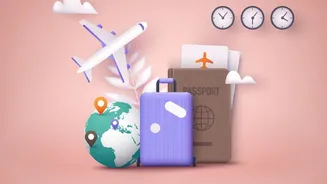
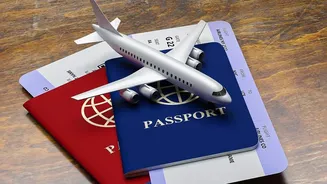
The most significant change for Indian travellers is the end of the traditional visa sticker, or vignette, in passports. Since February 2026, the UK has transitioned to a fully digital system. Successful applicants now receive an 'eVisa'—a secure digital record
of their permission to travel, linked directly to their passport. This shift is part of the UK's broader strategy to create a fully digitised border by modernising its immigration framework. For the traveller, this means your immigration status can be verified online instantly, and there's no physical document that can be lost, stolen, or damaged. However, the core application process itself remains largely familiar.
The 'Five Lakh' Context
The headline figure of over 500,000 visas is a testament to the strong travel ties between India and the UK. In the year ending March 2026, Indian nationals were granted this substantial number of visas, cementing India's status as one of the UK's most important overseas markets for tourism, business, and study. This number isn't a new quota but a reflection of the high demand from Indian travellers. Projections from VisitBritain suggest this trend will continue, with visitor numbers from India expected to approach nearly one million annually by 2030. This growing volume is a key reason why the UK is focused on making the visa system more efficient through digitisation.
Crucial: eVisa is Not an ETA
There has been considerable confusion between the new eVisa and the UK's Electronic Travel Authorisation (ETA) system, and it is vital for Indian travellers to understand the difference. The ETA is a pre-travel permit for nationals of countries who do not need a visa for short stays, such as the USA, Canada, and EU member states. Indian passport holders are not eligible for the ETA scheme. You must still apply for a standard UK visa. The only change is that when this visa is granted, it is now issued in a digital format as an eVisa. Reports suggesting Indians need both a visa and an ETA are incorrect; the standard visa (now issued as an eVisa) is the sole requirement.
What Hasn't Changed in the Application
While the final format of the visa is now digital, the steps to get there have not changed. Indian applicants must still complete the detailed online application form on the GOV.UK website. Following this, you are required to schedule and attend an appointment at a Visa Application Centre (VAC) in India to provide biometric information—your fingerprints and a photograph. While some aspects have been streamlined, such as not having to leave your passport at the VAC for the entire processing period, the fundamental need to prove your eligibility, provide financial documents, and outline your travel purpose remains the same. The standard processing time is still around three weeks.
Your New Pre-Travel Checklist
The new eVisa system introduces a couple of crucial new steps after your visa is granted. First, you must create a UK Visas and Immigration (UKVI) online account. You will then use an app to link this account to your eVisa, which securely connects your digital permission to your passport. Before you fly, it is essential to log into your UKVI account and verify that your personal details and passport information are perfectly correct. Airlines will check your digital permission before boarding, and any discrepancy between the eVisa record and your passport could result in being denied travel or facing significant delays at the UK border.
The Bigger Picture of UK-India Travel
This digital shift is happening alongside other developments strengthening UK-India ties. Increased air connectivity, with airlines like British Airways adding more routes in 2026, has made travel more accessible. Specialised programmes like the India Young Professionals Scheme, which offers 3,000 visas annually for young Indians to live and work in the UK for up to two years, further deepen the relationship. While the eVisa simplifies the post-approval process, these broader initiatives show a mutual interest in fostering mobility for work, study, and tourism, creating a more integrated travel environment between the two nations.