







Why Our Cities Are So Hot
Walk through any major Indian city in the summer and the difference is palpable. Urban areas often feel significantly hotter than surrounding rural landscapes. This phenomenon is known as the Urban Heat Island (UHI) effect. A primary cause is the vast
expanse of dark surfaces like traditional black asphalt roads and rooftops. These materials absorb an enormous amount of solar radiation, as much as 80-95% of the sunlight that hits them. Pavements alone can make up about a third of a city's surface area. Like a giant stone, this infrastructure soaks up heat all day and continues to radiate it back into the air long after sunset, preventing our cities from cooling down at night.
The Science of Staying Cool
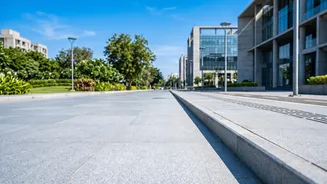
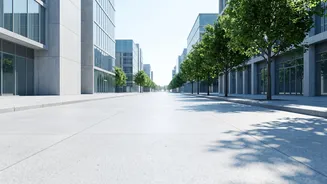
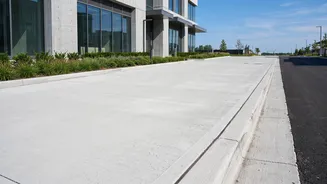
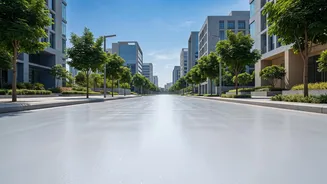
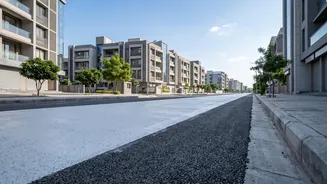
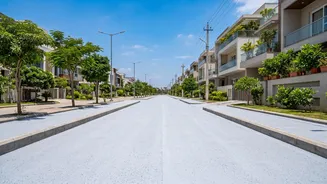
Reflective or 'cool' pavements tackle this problem with a simple, elegant principle: reflecting sunlight instead of absorbing it. This property is known as solar reflectance, or albedo. By using lighter-colored materials or applying a special reflective coating, the surface of the street stays much cooler. These coatings often contain light-colored, infrared-reflective pigments within a durable binder that transforms dark asphalt into a brighter, cooler surface. While traditional dark pavements can reach temperatures well over 60°C on a summer day, cool pavements can remain significantly cooler. Studies in cities like Phoenix, Arizona, found that cool pavement surfaces were, on average, 10.5 to 12 degrees Fahrenheit cooler than traditional asphalt during the afternoon.
Real-World Impact and Benefits
Lowering surface temperatures has a cascade of positive effects. Cooler streets lead to cooler ambient air, which can reduce heat-related health issues and make being outdoors more comfortable. This also translates into energy savings. With lower surrounding temperatures, buildings don't have to work as hard to stay cool, reducing the strain on air conditioners and cutting electricity bills. Some estimates suggest that even a one-degree reduction in a city's average temperature could save residents millions in air conditioning costs annually. Additional benefits include improved nighttime visibility due to the reflective surface, which can lower street lighting costs, and a potential extension of the pavement's lifespan as it experiences less thermal stress.
Is It a Perfect Solution?
While promising, cool pavements are not a magic bullet. One of the main challenges is the cost, which can be higher than traditional sealants. Durability and maintenance are also key concerns; the reflectivity can decrease over time as surfaces get dirty from traffic and pollution. Some studies have also raised questions about pedestrian comfort, noting that while the pavement itself is cooler, the reflected solar radiation could make the air at standing height feel hotter for people walking nearby. Furthermore, the manufacturing of some reflective materials can be more energy-intensive than traditional asphalt. These factors mean that implementation must be carefully considered, weighing the climate benefits against potential drawbacks.
The Potential for Indian Cities
The application of this technology in India is particularly compelling. Several cities have already begun to experiment with cool surfaces. A pilot project in Hyderabad using high-reflectance concrete reportedly lowered surface temperatures by up to 14°C. In Ahmedabad, a three-year trial with various cool pavement techniques reduced peak ambient temperatures by 2-5°C. Chennai has also seen success, upgrading over 1,000 km of roads with high-albedo concrete, which led to a 3°C reduction in ambient temperature. With initiatives like the Smart Cities Mission prioritising sustainable development, reflective pavements offer a scalable strategy to build heat resilience into the fabric of India's rapidly growing urban centers.