



The Language of Batik
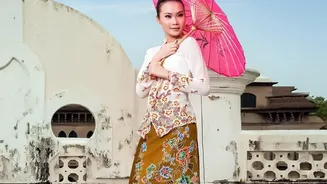
Before diving into patterns, it's helpful to understand that each Batik motif is a form of storytelling. Originating in Indonesia and recognised as a UNESCO Intangible Cultural Heritage, these designs are more than just beautiful decorations; they carry
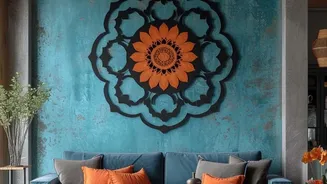
centuries of philosophy and meaning. From motifs once reserved for royalty to patterns celebrating nature, the design you choose can bring a specific energy into your room. Whether as a statement wall hanging, elegant curtains, or vibrant cushion covers, batik can be seamlessly integrated into modern homes to add a layer of authenticity and tradition. By learning the language of these patterns, you can select a piece that not only matches your furniture but also resonates with your spirit.
For the Classicist: Timeless Elegance
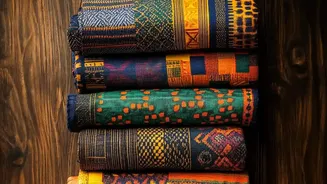
If your style leans towards the refined, orderly, and timeless, you'll find a kindred spirit in the classic courtly motifs of Central Java. The Parang pattern is an excellent choice. Its continuous, diagonal lines, resembling waves or a knife's edge, symbolise strength, determination, and resilience. Historically worn by Javanese royalty, the Parang conveys a sense of authority and nobility, making it perfect for a study or a formal living room where you want to create an atmosphere of dignified grace. Another powerful option is the Kawung motif, one of the oldest known designs. Its symmetrical pattern of four intersecting circles, often said to represent the palm fruit or a lotus flower, signifies purity, balance, and wisdom. This geometric precision brings a sense of order and harmony, ideal for creating a calm, centred space.
For the Modern Minimalist: Clean and Considered
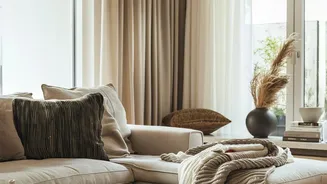
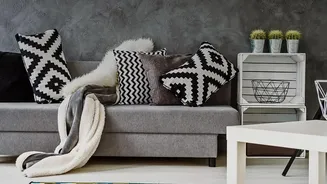
A minimalist home is not about emptiness, but about intentionality. Your personality values clean lines, uncluttered spaces, and meaningful details. For you, batik can serve as a single, powerful focal point. Look for monochromatic or two-toned versions of classic patterns. A Truntum motif, traditionally symbolising rekindled love with its pattern of small, scattered stars or flowers, takes on a modern, graphic quality in a simple black and white or indigo and cream. Similarly, a simplified Kawung pattern can provide geometric interest without overwhelming a serene aesthetic. The key is to let the craftsmanship and the story of the single piece shine. A hand-drawn batik throw on a neutral-coloured sofa or a framed textile on a bare wall can add texture and soul to a minimalist room.
For the Free Spirit: Bold and Eclectic
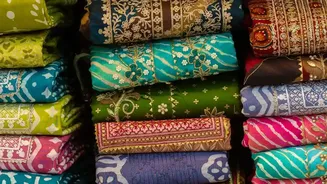
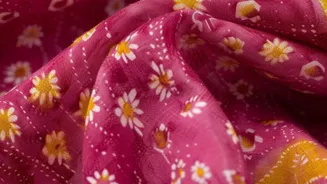
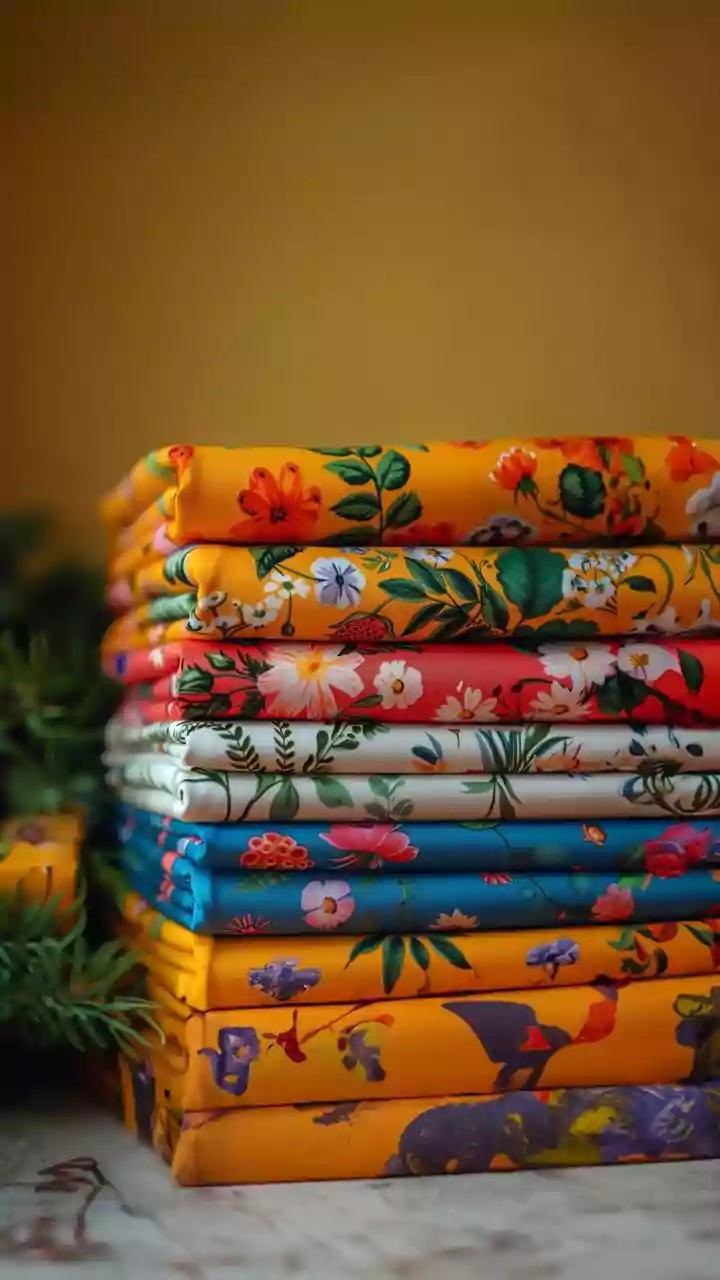
If you are a maximalist, a bohemian, or simply someone who loves colour and energy, the vibrant batiks of Indonesia's coastal regions (Pesisir) are your perfect match. These designs are often less rigid and more expressive, reflecting the cultural exchange of bustling port towns. The Mega Mendung motif from Cirebon is a fantastic example. Its iconic cloud-like pattern, often rendered in brilliant blues and reds, represents patience and calmness amid turbulence. It’s a bold, flowing design that can bring a sense of dynamic tranquility to a room. Another wonderful option is the Buketan motif from Pekalongan, which features lush floral bouquets, often with birds and butterflies. Influenced by Dutch art, this pattern expresses joy, beauty, and femininity, making it perfect for adding a touch of romantic and vibrant charm to your space.
For the Nature Lover: Organic and Grounded
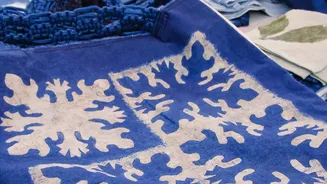
If you find peace in the natural world and seek to bring its organic beauty indoors, look for batik motifs inspired by flora and fauna. These patterns connect your home to the rhythms of the earth. The Sidoasih motif, for instance, often incorporates plant and animal designs and is traditionally used at weddings to symbolise a life full of love and compassion. Many patterns from across Indonesia feature stylised representations of lotuses for purity, birds for grace, and intricate leaves and vines that speak of growth and harmony. These designs work beautifully in spaces with natural materials like wood, rattan, and linen, creating a sanctuary that feels both calming and deeply connected to the environment. They serve as a reminder of the world outside, grounding your interior in natural elegance.