







The 10-Minute Revolution
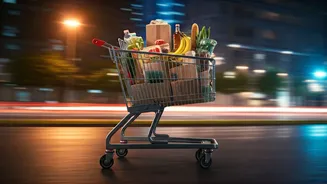
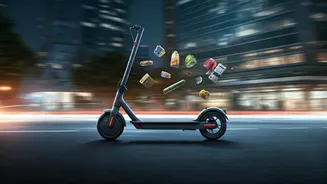
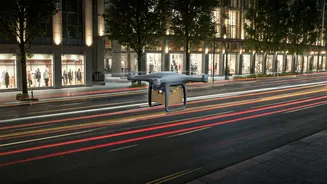
Quick commerce, or q-commerce, is the next evolution of e-commerce, built on the promise of ultra-fast delivery, often in 10 to 30 minutes. In India, this sector is dominated by players like Blinkit, Zepto, and Swiggy Instamart. They've rapidly moved
from being a niche service for groceries to a mainstream channel for everything from electronics and beauty products to medicines and snacks. Fueled by widespread smartphone use, digital payments, and the convenience-driven habits formed during the pandemic, these platforms have become an integral part of daily life for many urban consumers, especially millennials and Gen Z. The market is expanding at a staggering rate, with some projections expecting it to grow from around USD 5.92 billion in 2026 to nearly USD 16.99 billion by 2034.
Behind the Instant Delivery Promise
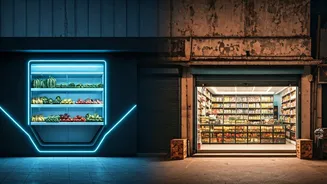
How do they make it happen? The secret lies in a hyperlocal model centered around 'dark stores'. These are small, strategically located warehouses that are not open to the public but are packed with the most frequently ordered items. This distributed inventory model, powered by AI for demand forecasting and route optimization, allows delivery partners to pick up and deliver orders within a small radius, making the 10-minute promise a reality. Unlike traditional e-commerce that relies on large, centralized warehouses, q-commerce trades storage efficiency for incredible speed, fundamentally changing the logistics game. This intricate network of technology and micro-warehouses is the engine that powers our new-found expectation of instant gratification.
From Luxury to Lifestyle Expectation
The impact of q-commerce goes beyond just convenience; it's fundamentally altering our consumer psychology. The model shifts shopping patterns from planned, monthly stock-ups to frequent, on-demand micro-purchases. Need one onion? A packet of biscuits? A charger? The impulse to wait is replaced by the impulse to order. This has transformed convenience from a luxury into a baseline expectation. For many urban users, the ability to get something in minutes is no longer a delightful surprise but a standard feature of modern life, influencing everything from meal planning to managing household essentials.
The Hidden Costs of Convenience
While users enjoy unprecedented speed, the model presents significant challenges. For one, the profitability of many quick commerce companies remains a concern due to high operational costs. More importantly, there are significant social and economic ripple effects. The intense pressure for speed raises serious questions about the safety and working conditions of gig workers, who often face precarious pay and a lack of social security benefits. The rise of q-commerce also places immense competitive pressure on local kirana stores, which struggle to match the pricing and delivery speeds of these venture-funded giants, leading to declining footfall and even closures. This raises a crucial question: is our convenience coming at too high a cost for others?
Is the Pace Sustainable?
The future of quick commerce in India is at a crossroads. While the demand is undeniably strong, the long-term viability of the 10-minute model is still debated. Companies are facing a delicate balancing act: managing high operational costs, navigating logistical complexities in congested cities, and addressing the growing concerns around worker welfare and environmental impact. The industry is seeing a push towards profitability, which could mean expanding into higher-margin categories like beauty products and electronics, optimizing dark store operations, and potentially even adjusting the ultra-fast delivery promise. The next few years will likely determine whether this high-speed model can evolve into a sustainable and equitable part of India's retail ecosystem.