






The All-Too-Familiar Discomfort
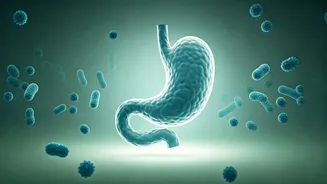
We've all been there. After a celebratory meal filled with rich curries, fried snacks, and decadent sweets, a familiar burning sensation starts to creep up. This is acidity, or acid reflux, where stomach acid flows back into the oesophagus, causing heartburn
and discomfort. It’s often accompanied by bloating and gas, turning a joyful occasion into a night of regret. While over-the-counter antacids are an option, many people in India have long turned to a more natural, time-tested solution: ajwain, or carom seeds.
The Power of Ajwain: A Kitchen Staple
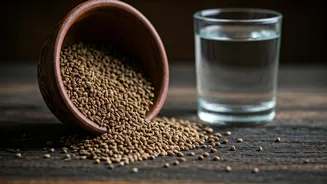
Carom seeds (Trachyspermum ammi) are a staple in Indian households. These tiny, pungent seeds are used to flavour everything from parathas to dals, but their role extends far beyond taste. For generations, grandmothers have sworn by their medicinal properties, particularly for digestive ailments. The practice of chewing a pinch of ajwain with salt after a heavy meal or drinking ajwain-infused water is a deeply rooted home remedy for indigestion, flatulence, and stomach cramps. It's a piece of traditional wisdom that has been passed down because, for many, it simply works.
What Science Says About Carom Seeds
This isn't just folklore. The digestive benefits of ajwain are largely attributed to its active compounds, particularly thymol. Thymol is known for its antiseptic, antifungal, and antibacterial properties. In the context of digestion, it is believed to help stimulate the secretion of gastric juices, which can enhance the digestive process. By speeding up the movement of food through the stomach, it can help prevent the kind of sluggish digestion that leads to acidity and gas. Furthermore, the carminative properties of ajwain help in expelling gas from the stomach, providing quick relief from bloating and flatulence. So, when your grandmother gave you ajwain water, she was relying on generations of experience backed by the seed's unique biochemistry.
How to Make Carom Seed Water
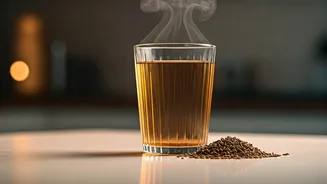
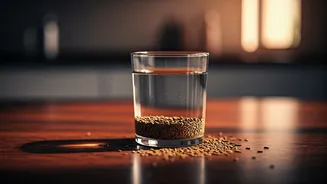
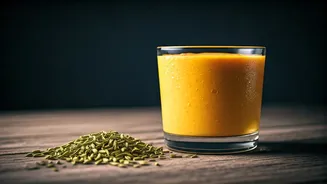
Preparing this simple digestive aid is incredibly easy. There are two primary methods you can use: 1. **The Quick Boil Method:** This is perfect for immediate relief. Take one teaspoon of ajwain seeds and add them to two cups of water in a small saucepan. Bring the water to a boil and let it simmer for 5-7 minutes, or until the water is reduced by half and turns a pale golden-brown colour. Strain the water into a cup and let it cool slightly before drinking. 2. **The Overnight Soak Method:** If you anticipate a heavy dinner, you can prepare this in advance. Simply soak one teaspoon of ajwain seeds in a glass of water overnight. In the morning, you can either strain and drink the water as is, or you can boil it for a few minutes and then strain it for a more potent concoction. For added flavour and benefit, you can add a pinch of black salt (kala namak) or a few drops of lemon juice.
The Best Time to Drink It
For tackling post-meal heaviness and acidity, the best time to drink a warm glass of carom seed water is about 30 minutes after your dinner. This gives your stomach time to begin the digestive process, and the ajwain water can then assist in soothing the system and preventing the build-up of gas. Drinking it warm is generally considered more effective as warm liquids can help relax the stomach muscles. Avoid drinking it ice-cold, as this can sometimes hinder digestion. A small glass is all you need; there's no need to consume large quantities.
Important Considerations and When to Be Cautious
While ajwain water is a safe and effective home remedy for most people for occasional digestive issues, it's not suitable for everyone. Pregnant women should avoid consuming large amounts of ajwain as it can potentially stimulate uterine contractions. People with liver disease or ulcerative colitis should also exercise caution and consult their doctor before using it regularly. If you experience severe or chronic acidity, heartburn that occurs more than twice a week, or difficulty swallowing, it's essential to seek medical advice. Home remedies are for managing mild, occasional symptoms, not for treating underlying medical conditions.