





The Digital Kitchen Revolution
For years, the high cost of real estate and operations in metros made it nearly impossible for niche, regional cuisines to find a foothold. The restaurant industry was dominated by familiar, pan-Indian menus. But the rise of the cloud kitchen—also known
as a ghost or virtual kitchen—has changed the game. These delivery-only establishments operate without a physical storefront, slashing overheads and allowing chefs to focus purely on the food. This model has become an incubator for culinary innovation, creating a platform for home chefs and food entrepreneurs to introduce hyper-regional flavours to a curious new audience.
A Taste of Heritage Arrives
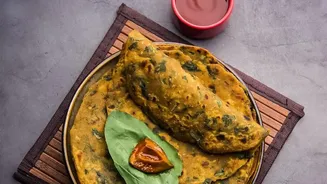
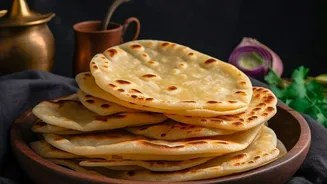
Entrepreneurs from tribal communities are seizing this opportunity to showcase their rich culinary traditions, which have long remained hidden from the mainstream. In cities like Delhi and Ranchi, ventures are emerging that celebrate the unique flavours of indigenous cooking. For instance, Aruna Tirkey, a member of the Oraon community, founded the restaurant Ajam Emba in Ranchi to revive and popularise Jharkhand's tribal food. Her menu features dishes made from local wildflowers, leafy greens, and traditional preparations like mutton handi and ragi momos. Similarly, initiatives like Tata Steel Foundation's Samvaad conclave have partnered with delivery apps to bring dishes like the Ho tribe's red ant chutney and the Santhal's jill pithe (a meat-based bread) to a wider audience, turning home cooks into entrepreneurs.
More Than Just a Meal
For these entrepreneurs, this is not just business; it is a mission to preserve their cultural identity. Food is a core part of a tribe's heritage, intertwined with stories, seasons, and a deep connection to nature. By bringing these dishes to the city, they are sharing a piece of their history and challenging the long-held, often incorrect, perceptions of tribal cuisine. These platforms offer a way to reclaim their food sovereignty—the right of a community to define its own food systems. They are moving beyond being passive recipients of government food aid to becoming active purveyors of their own nutritious, culturally significant food.
The Challenge of Authenticity
Running a tribal food kitchen in a bustling metropolis comes with unique challenges. The biggest hurdle is sourcing authentic, seasonal ingredients that are often foraged from forests or grown in specific regions. Think rare mushrooms, specific varieties of bamboo shoots, or wild greens like phutkal. Maintaining a consistent supply chain while ensuring freshness is a logistical puzzle. Another challenge is educating the urban palate. Dishes with unfamiliar textures and strong, earthy flavours require storytelling to make them approachable. These entrepreneurs often use social media and the story behind each dish to connect with customers and explain the cultural context of what they are eating.
A Growing Appetite for the Unfamiliar
Despite the hurdles, the response from urban diners has been overwhelmingly positive. There is a growing appetite among city dwellers for new, authentic food experiences that tell a story. The convenience of ordering via apps, combined with the curiosity sparked by food influencers and media coverage, has created a thriving market for these once-obscure cuisines. Cloud kitchens serving specific regional fare, like traditional Odia food in Delhi, have found that customers are increasingly looking for meals that offer a connection to a place and its culture. This trend suggests a significant shift in the urban Indian diet, moving from standardised fare to a celebration of the country's immense culinary diversity.