





Know Before You Go: Your Phone Is a Lifeline
The single most important tool for a safer monsoon commute is your smartphone. Before you even step out, check for real-time updates. The BMC and Mumbai Police often post alerts about waterlogging and diversions on social media. Traffic apps can help
you spot jams and suggest alternative routes. For train travel, apps like Yatri provide live tracking and can even help you compare different modes of public transport if your usual route is disrupted. Always ensure your phone is fully charged and carry a power bank. A waterproof pouch is a small but crucial investment to protect your digital lifeline when your commute suddenly takes hours longer than expected.
Mapping the Hotspots: Know Which Areas to Avoid
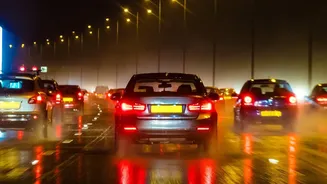
Every Mumbaikar knows that not all routes are created equal during a downpour. Certain low-lying areas are chronically prone to flooding and are best avoided. According to the BMC's flood preparedness guidelines, traditional hotspots include Hindmata, King's Circle, and the Andheri and Milan subways. The Mithi river basin area, which includes parts of Kurla, Sion, and Dharavi, frequently experiences waterlogging. In recent years, even parts of South Mumbai like Churchgate, Crawford Market, and the road near Metro Cinema have been added to the list of flood-prone spots. Roads like the Western Express Highway can also slow to a crawl due to poor visibility and flooding. Knowing these zones allows you to plan a smarter, drier route from the start.
The Local Train Survival Guide
Mumbai's local trains are its lifeline, but they demand extra caution during the monsoon. Railway authorities undertake extensive pre-monsoon work to mitigate waterlogging on tracks, but delays and cancellations are still common. The biggest dangers are often not the tracks but the platforms, staircases, and footbridges, which become extremely slippery. Rushing to catch a departing train is far more dangerous on a wet platform; it's always better to wait for the next one. Inside the train, disagreements over closing the doors to keep rain out can unfortunately escalate, so it's wise to remain aware of your surroundings. If you must travel late, stay in well-lit areas and consider using safety features on railway apps designed for passenger security.
Road Travel: Choosing Between Bus, Cab, and Auto
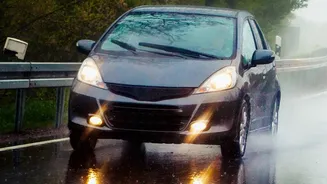
If you're taking to the roads, each transport option comes with its own monsoon-specific challenges. BEST buses are a reliable option as they are often rerouted to avoid the worst of the flooding, but tracking apps are essential to know about diversions. Cabs and auto-rickshaws offer door-to-door service but are susceptible to traffic jams and surge pricing. If you're booking a cab, allow for significant extra travel time and be prepared for longer waits. For your own safety, avoid wading through heavily waterlogged streets where you can't see the ground. Floodwater can hide open manholes, debris, and even damaged electrical wires. When driving your own vehicle, police advise ensuring your wipers, tires, and headlights are in top condition and maintaining a safe distance from other cars.
Essential Gear and Personal Safety
Beyond choosing the right route and transport, a few personal preparations can make a world of difference. Sturdy, waterproof footwear with good grip is non-negotiable to prevent slips and falls on slick surfaces. Carrying a compact umbrella, a waterproof bag for your belongings, and a small first-aid kit is always a good idea. It's also wise to carry some cash, as heavy rains can sometimes disrupt digital payment networks. Finally, be a considerate commuter. The spirit of Mumbai shines brightest when people help each other. Lending a hand to someone who slips or sharing verified information about delays contributes to a safer journey for everyone. Patience and preparation are your best assets for conquering the monsoon commute.