





The Wisdom of 'Vrat ka Khana'
Fasting in India is a spiritual practice designed to cleanse the body and calm the mind. The diet, often called 'Sattvic', focuses on foods that are light, natural, and easy to digest, avoiding grains, onions, garlic, and processed items. The goal is to provide
sustained energy without making the body feel heavy or sluggish. This is where traditional ingredients like puffed lotus seeds (makhana), buckwheat flour (kuttu), and amaranth flour (rajgira) play a crucial role. They are not just permissible alternatives; they are nutrient-dense foods that support the body's needs during a period of dietary restriction.
Makhana: The Puffed Powerhouse
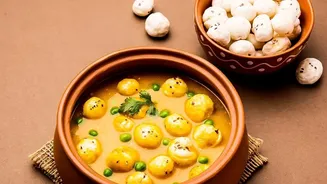
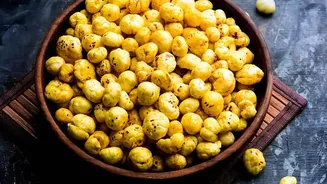
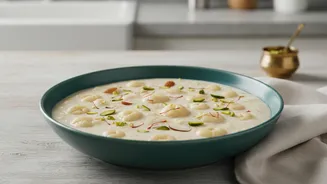
Makhana, or fox nuts, are the puffed seeds of the lotus plant. For centuries, they have been a go-to fasting snack, typically roasted with a little ghee and rock salt. Their importance lies in their impressive nutritional profile. Makhana is low in calories and fat but rich in protein and dietary fibre. The high fibre content ensures slow digestion, which helps in keeping you feeling full for longer and provides a steady release of energy. They are also an excellent source of essential minerals like magnesium, potassium, and calcium, which help regulate blood pressure and support heart health. Being gluten-free and light on the digestive system makes them an ideal food for maintaining energy levels without causing lethargy.
Kuttu: The Misunderstood Superfood
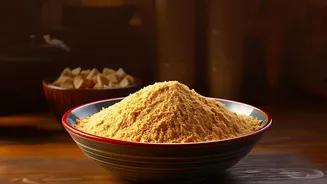
Kuttu ka atta, or buckwheat flour, is a staple during fasts like Navratri. Despite its name, buckwheat is not a type of wheat or even a grain. It is a 'pseudocereal'—the seed of a fruit—which is why it is permitted during fasts that restrict grains. Kuttu is packed with high-quality protein and is particularly rich in minerals like magnesium, which is vital for muscle function and energy production. It has a low glycemic index, meaning it doesn't cause sharp spikes in blood sugar. The high fibre content aids digestion and promotes a feeling of fullness, helping to curb hunger pangs. Its inherently warming nature is also believed to help the body adjust to seasonal changes.
Rajgira: The Royal Grain
Rajgira, also known as amaranth, translates to 'immortal' or 'royal grain'. Like kuttu, it is a gluten-free pseudocereal that has been cultivated for centuries. Rajgira flour is a nutritional champion, most notably for being a complete protein source, containing all essential amino acids. This is particularly beneficial in a restricted vegetarian diet. It is also exceptionally rich in calcium, iron, and phosphorus. The high concentration of lysine in rajgira helps the body absorb calcium effectively, promoting bone health. Its significant fibre content supports digestive health and, like the others, ensures sustained energy release.