


1970: The Game That Forged a Myth
The 1970 World Cup semifinal between Italy and West Germany is simply known as the “Game of the Century.” Played in the searing heat of Mexico City's Estadio Azteca, it was a match that pushed players beyond all known limits of endurance. Italy led 1-0
for most of the game before a dramatic injury-time equaliser from Karl-Heinz Schnellinger forced extra time. What followed was a chaotic, delirious 30 minutes where five more goals were scored as the lead swung back and forth. Iconic images, like German hero Franz Beckenbauer playing on with his arm in a sling after dislocating his shoulder, cemented the match in legend. Italy eventually won 4-3, but their exhausted players were no match for a sublime Brazil team in the final. The legacy? This game created the blueprint for modern football mythmaking. It proved that a knockout match could be a transcendent spectacle of drama, sacrifice, and suffering, setting a new standard for what epic football looked and felt like.
1982: A Brutal Collision and a Moral Reckoning
The 1982 World Cup semifinal between West Germany and France was a thrilling 3-3 draw decided by the first-ever penalty shootout in World Cup history. Yet, nobody remembers the score. They remember the moment West German goalkeeper Harald 'Toni' Schumacher charged off his line and violently collided with French substitute Patrick Battiston. As Battiston lay unconscious, having lost teeth and suffered damaged vertebrae, the referee didn't even award a foul. Schumacher's apparent lack of remorse, and his later callous comment about paying for the dental crowns, sparked international outrage. The incident forced a global conversation about player protection and refereeing responsibility. It was a watershed moment that highlighted the brutality lurking within the beautiful game and put immense pressure on football authorities to take goalkeepers' challenges and dangerous play more seriously, fundamentally changing the risk-reward calculation for players and officials.
1990: Gazza’s Tears and the Birth of Modern Football
For England, the 1990 World Cup semifinal loss to West Germany on penalties was more than a painful exit; it was a cultural rebirth. English football had been tarnished by hooliganism and decay throughout the 1980s. But in Turin, a team led by Bobby Robson captured the nation's heart. The defining image was not a goal, but the tears of its flawed genius, Paul Gascoigne, after a yellow card meant he would miss the final. This raw, human moment, broadcast to millions, helped rehabilitate football's image. Combined with the BBC's use of Pavarotti's “Nessun Dorma” as its theme music, the tournament made football feel epic, tragic, and artistic. The wave of public goodwill and newfound commercial appeal that followed directly paved the way for the creation of the glitzy, globally-marketed Premier League in 1992, an event that reshaped the finances and culture of club football worldwide.
2010: Mourinho’s Blueprint to Slay a Giant
By 2010, Pep Guardiola's Barcelona, with their mesmerising tiki-taka style, seemed invincible. They were the reigning Champions League holders and were widely regarded as one of the greatest club sides ever. Then they met José Mourinho's Inter Milan in the semifinals. In a stunning first-leg tactical masterclass, Inter won 3-1 despite having far less possession. Mourinho devised a plan of 'caging' Lionel Messi, deploying a compact, disciplined defensive shape and using rapid, direct counter-attacks to exploit the space left by Barcelona's attacking full-backs. Even after being reduced to 10 men in the second leg, Inter defended heroically to secure their place in the final. The tie provided the first truly effective blueprint for how to defeat peak Barcelona. It proved that organised, reactive, and pragmatic defensive football could overcome seemingly superior possession-based artistry, a lesson that echoed through tactics boards for the next decade.
2014: The 'Mineirazo' and a National Identity Crisis
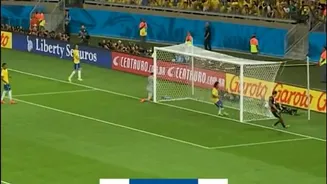
The 7-1 demolition of host nation Brazil by Germany in the 2014 World Cup semifinal was not just a defeat; it was a national trauma dubbed the 'Mineirazo'. Missing the suspended captain Thiago Silva and injured talisman Neymar, Brazil didn't just lose; they psychologically disintegrated, conceding four goals in a shocking six-minute span in the first half. The loss on home soil was Brazil's heaviest ever World Cup defeat and broke a 62-match unbeaten streak in competitive home games. More profoundly, it shattered the myth of Brazilian footballing exceptionalism. The result triggered a deep and painful period of soul-searching about the nation's footballing identity, tactics, and player development. In the years that followed, the iconic yellow shirt, once a unifying symbol of joy, even became politically fractured, reflecting a nation grappling with a symbolic blow that went far beyond a simple football pitch.