


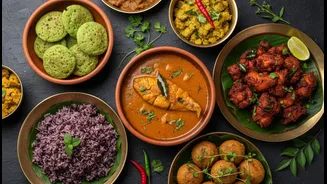


Beyond Butter Chicken and Biryani
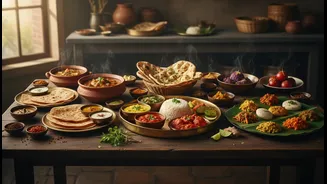
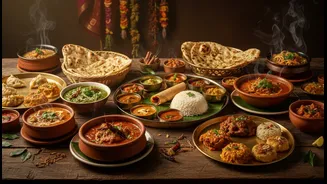
For years, the menus at many Indian restaurants felt remarkably similar, a greatest hits collection of butter chicken, dal makhani, and paneer tikka. While these dishes are beloved classics, they represent just a fraction of India's vast culinary landscape.
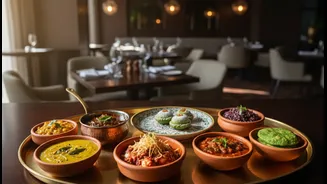
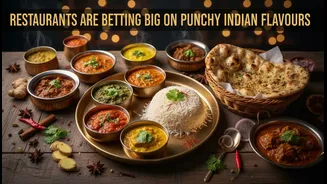
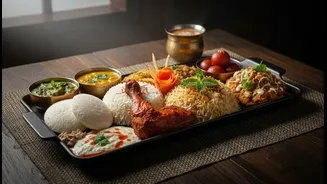
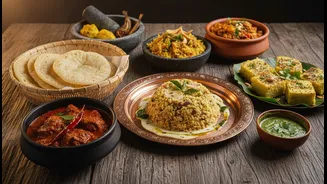
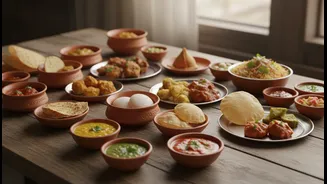
A quiet revolution is now taking place in kitchens across the country. Chefs and restaurateurs are delving deeper into India's gastronomic diversity, moving beyond broad categories to showcase hyperlocal specialities. Menus are now proudly featuring lesser-known gems like Bihari litti chokha, Kumaoni recipes from Uttarakhand, and fiery Chettinad preparations from Tamil Nadu. This shift from generic to specific is more than just a creative exercise; it's a strategic response to a changing market that is hungry for authenticity.
The Search for Authentic Flavours
So, what's driving this change? The modern Indian diner is more curious, well-travelled, and informed than ever before. There's a growing desire for meals that tell a story and offer a genuine connection to a place and its culture. People may not be able to travel as often as they'd like, but they can explore different cultures through food. This craving for authenticity is a major force, with industry data showing a significant portion of diners actively seeking out regional culinary experiences. Social media also plays a crucial role, as food bloggers and influencers shine a spotlight on hidden culinary treasures, creating buzz and educating palates. This digital word-of-mouth inspires diners to break out of their usual go-to orders and seek new, unforgettable dining experiences.
A Winning Business Proposition
For restaurant owners, embracing regional cuisine is a powerful business move. In a crowded marketplace, a specialised menu helps a restaurant stand out. Instead of competing with countless others on the same few dishes, an establishment can build a strong brand identity by focusing on the unique food of a specific community or region, be it Malwani, Awadhi, or Kongu Nadu. This strategy can attract a discerning clientele willing to pay a premium for an authentic experience that can't be easily replicated elsewhere. Furthermore, focusing on regional and seasonal ingredients can lead to more sustainable sourcing and better margins by forging direct partnerships with local farmers and producers. It's a strategy that builds a narrative, connecting the diner to the food's origin and creating a more memorable experience.
Preserving Heritage on a Plate
This trend does more than just good business; it plays a vital role in preserving India's culinary heritage. As chefs and home cooks revive forgotten recipes and champion indigenous ingredients, they are safeguarding traditions that might otherwise be lost. Many chefs see it as their mission to document and present the food they grew up with, passed down through generations. This movement helps revive native grains like millets and sorghum and traditional cooking techniques that were slowly disappearing. By bringing these hyperlocal dishes from home kitchens to the fine-dining space, restaurants become living archives of India's diverse food culture, ensuring these flavours continue to be celebrated.
Challenges and the Road Ahead
The path of hyper-regionalism is not without its challenges. Sourcing niche ingredients consistently can be difficult, especially for restaurants located far from the cuisine's home region. There is also the need to train kitchen staff in specialised cooking methods and to educate diners who may be unfamiliar with the dishes and their stories. Some restaurants tackle this by hosting pop-ups with guest chefs, adding a few successful dishes to the permanent menu, and using storytelling to explain the cultural context of the food. Despite these hurdles, the trend shows no sign of slowing down. Luxury hotel chains and standalone restaurants alike are investing in this culinary movement, recognising it as the future of Indian dining.