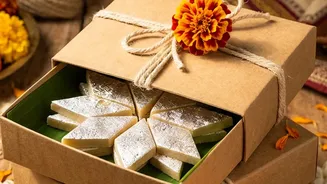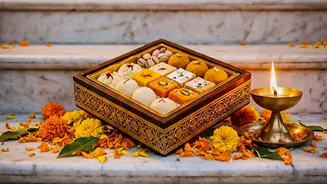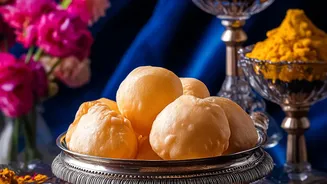



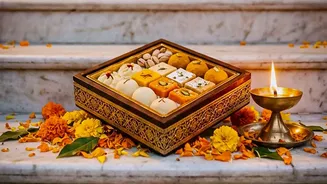
The shimmering lights and joyous sounds of Diwali are almost always accompanied by the sweet aroma of mithai. But as health awareness grows, the annual dilemma returns: how to indulge in festive treats without derailing wellness goals?
The Modern Diwali Dilemma
For generations,
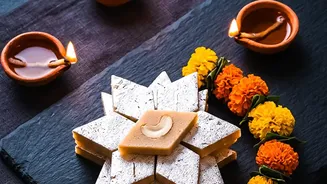
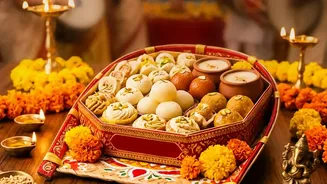
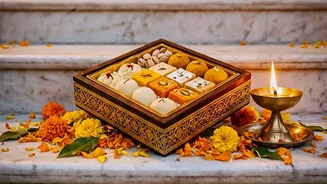
Indian sweets, or mithai, have been at the heart of Diwali celebrations. They are symbols of happiness, prosperity, and togetherness, shared between family and friends. However, many traditional recipes rely heavily on refined sugar, processed flour (maida), and deep-frying, creating a conflict for the growing number of health-conscious individuals. The desire to partake in tradition is strong, but so is the commitment to well-being. This has fueled a quiet revolution in festive kitchens and sweet shops across India, with a focus on smarter, more nutritious ingredients that don't sacrifice flavour. The goal is no longer about avoidance, but about making informed and balanced choices.
Deconstructing the Classics
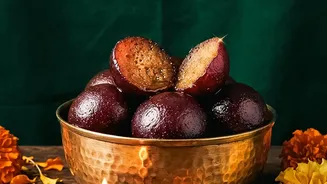
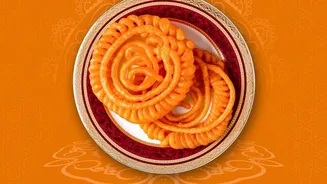
A typical Gulab Jamun, a beloved Diwali staple, can contain between 140 to 180 calories per piece, primarily from being deep-fried and then soaked in sugar syrup. Similarly, Jalebi, made from fermented maida batter, is also fried and syrup-soaked, with a single medium piece hovering around 150 calories. The primary culprits in many traditional sweets are refined ingredients that offer 'empty calories'. Refined sugar, for instance, provides sweetness but no nutritional benefits like vitamins or minerals. Refined flour (maida) is stripped of its fibre, which can lead to quicker spikes in blood sugar. While enjoying these classics is part of the festive experience, understanding their composition is the first step toward finding a healthier balance.
Smarter Sweeteners: An Honest Look
The most common swap is replacing white sugar with jaggery (gur). Jaggery is less processed and retains minerals like iron, potassium, and magnesium that refined sugar lacks. However, it's crucial to note that its calorie count is nearly identical to sugar, and its effect on blood sugar can be just as significant. A truly healthier alternative is using dates. Dates provide natural sweetness along with fibre, which helps slow down sugar absorption in the bloodstream. They also have a lower to medium glycemic index. Sweets like 'date and nut ladoos' or 'anjeer barfi' use the natural sweetness of dried fruits, making them a genuinely more nutritious option. These sweets are not just lower in refined sugar but also rich in nutrients from nuts and seeds.
Flour and Fat: The Other Half of the Story
Beyond sugar, the choice of flour and cooking method plays a huge role. Replacing maida with whole_grain flours is an easy and effective switch. Whole wheat flour (atta), chickpea flour (besan), and millet flours like ragi and jowar add essential fibre, protein, and nutrients. Besan Ladoo, for example, is based on protein_rich chickpea flour. Ragi can be used to make nutritious laddoos or even halwa. The cooking method is just as important. Baking or air_frying instead of deep_frying can drastically reduce the calorie and fat content of sweets like gujiyas or samosas. A baked snack can have 30_40% fewer calories than its fried version, offering a similar crunch without the heavy oil absorption.
Navigating 'Healthy' Store_Bought Sweets
As demand for healthier options grows, the market is flooded with 'sugar_free', 'baked', and 'low_calorie' Diwali sweets. While many are excellent choices, it pays to be a discerning consumer. A 'sugar_free' label often means the product uses artificial sweeteners, but it might still be high in calories from fat and refined flour. 'Date and nut' based sweets are generally a safer bet, as their sweetness is natural and comes packaged with fibre. Look for sweets made with whole grains, nuts, and seeds. Reading the ingredient list is key. The best options are those with simple, recognizable ingredients. If the list is long and full of names you can't pronounce, it might be best to choose something else.