


From Trash to Treasure
It’s a familiar story in many kitchens: you buy a fresh bunch of coriander or mint, carefully pluck the leaves for your chutney or garnish, and are left with a bundle of stems. More often than not, these stems end up in the bin. This habit contributes
to household food waste and overlooks a significant source of flavour. The stems of soft herbs like coriander, mint, and parsley are packed with the same aromatic compounds as their leaves. By tossing them out, you’re throwing away potential. This simple guide will show you how to harness that potential, turning what was once waste into a vibrant, flavourful ingredient that will elevate your cooking.
The Science of Flavour and Safety
Creating herb-infused oil isn't just about soaking stems in a jar. To create a truly spectacular and, more importantly, safe product, a little kitchen science is involved. The key is a chef-approved technique called blanching. This involves briefly plunging the herb stems into boiling salted water for about 15-30 seconds, then immediately transferring them to an ice bath. This process does two crucial things: it locks in the bright green chlorophyll, preventing your oil from turning a dull brown, and it kills surface bacteria. When fresh, moist ingredients are stored in an oxygen-free oil environment, there's a risk of Clostridium botulinum bacteria growth. Blanching and thoroughly drying the stems before they meet the oil is a critical safety step to mitigate this risk.
What You Will Need
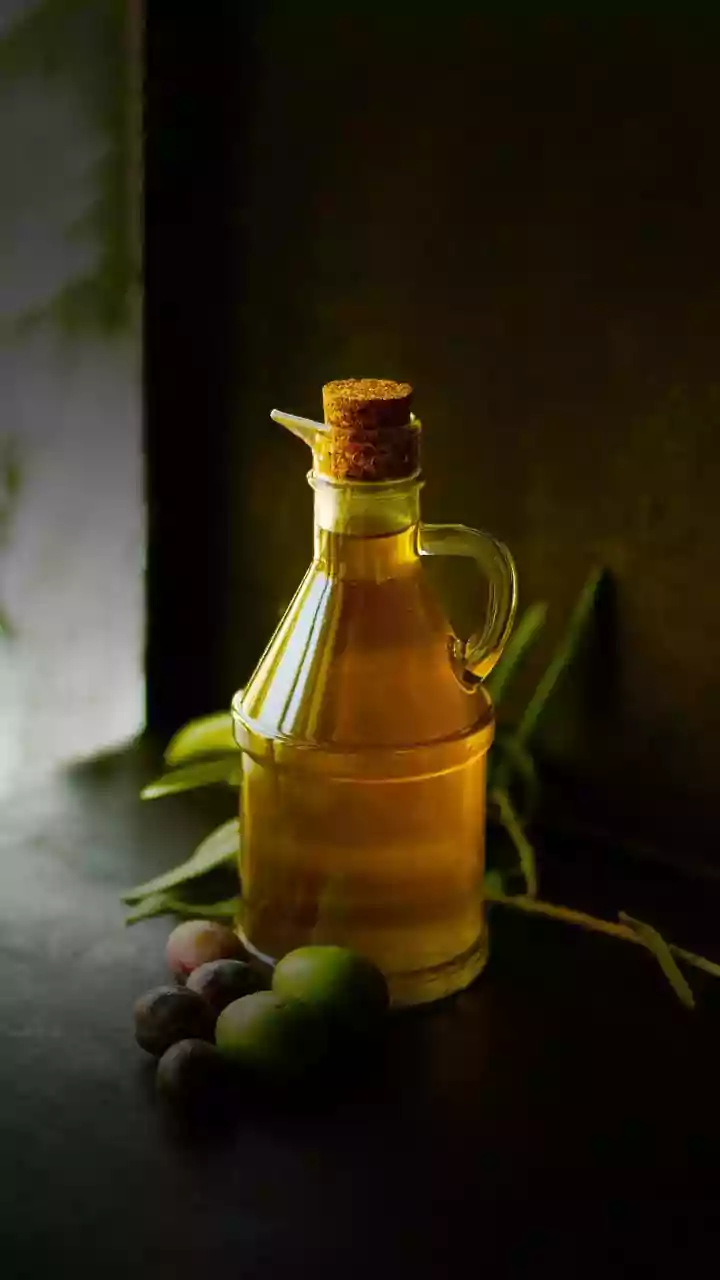
The beauty of this process is its simplicity. You don’t need any specialty equipment, just basic kitchen tools. - A large bunch of leftover coriander and/or mint stems, washed thoroughly. - A neutral-flavoured oil, such as grapeseed, sunflower, or a light olive oil. You want an oil that allows the herb flavour to be the star. - A pot for boiling water. - A large bowl for an ice bath. - A blender. - A fine-mesh sieve and cheesecloth or a coffee filter. - A clean, sterilised glass jar or bottle for storage.
Step-by-Step: Creating Your Herb Oil
Follow these steps for a vibrant, professional-quality herb oil. 1. Prep: Bring a pot of generously salted water to a rolling boil and prepare a large bowl of ice water on the side. 2. Blanch: Drop your clean herb stems into the boiling water. Watch them closely. As soon as they turn a brilliant, vivid green (this will only take 15-30 seconds), immediately remove them with a slotted spoon. 3. Shock: Plunge the blanched stems directly into the ice water. This halts the cooking process instantly and preserves that beautiful colour. Let them cool completely. 4. Dry: This step is vital. Remove the cooled stems from the ice bath and squeeze out as much water as possible. Then, pat them thoroughly dry with a clean kitchen towel. Excess water can make the oil cloudy and reduce its shelf life. 5. Blend: Place your dried stems in a blender. Add the oil, using roughly a 1:1 ratio of herbs to oil by weight, or enough oil to allow the stems to blend freely into a smooth purée. Blend on a medium-high speed for about two minutes, or until the mixture is smooth and the blender jar feels slightly warm. 6. Strain: Set a fine-mesh sieve lined with cheesecloth or a coffee filter over a clean bowl. Pour the blended oil mixture into the sieve. Now, be patient. Let the oil drip through naturally for a few hours. Do not press or squeeze the mixture, as this will push cloudy sediment into your finished oil.
Storage and Brilliant Uses
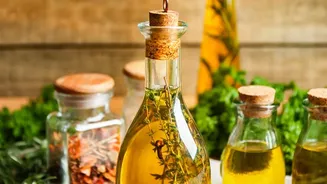
Once strained, you'll be left with a jewel-toned, intensely aromatic oil. Pour it into a sterilised, airtight bottle. Because you've used fresh (though blanched) herbs, it's crucial to store your oil in the refrigerator. It should keep well for at least a week, though some sources suggest it can last longer. Always give it a sniff before using; if it smells off, discard it. Now for the fun part. This liquid gold is incredibly versatile. Drizzle it over roasted vegetables, grilled fish, or a simple pasta dish for a burst of fresh flavour and colour. Use it as a base for a vibrant vinaigrette for your salads. Swirl it into soups or yoghourt dips for a stunning visual and aromatic finish. You can even use it to brush onto bread before toasting for an extra layer of deliciousness.