

The Billion-Rupee Question: A Cheaper Battery
For years, the electric vehicle revolution has been powered by lithium-ion batteries. While effective, they rely on materials like lithium, cobalt, and nickel, which are expensive and have volatile supply chains. This battery cost is the single largest
factor keeping EV prices high, often accounting for nearly half the vehicle's total production cost. To truly bring EVs to the masses in India, a cheaper, more sustainable battery is not just an advantage—it's a necessity. This is where new chemistries enter the picture, moving beyond the traditional formula and embracing some of Earth’s most common elements to store power.
Enter Salt and Silicon: A New Recipe for Power
The headline-making innovations center on two key materials: salt and silicon. These aren't typically used together in a single 'salt-silicon' battery, but represent two major, parallel paths of research. The first involves sodium-ion batteries, which use common salt (sodium) as their key ingredient instead of lithium. The second path focuses on enhancing existing lithium-ion batteries by replacing the graphite in the anode with silicon. Silicon, derived from sand, can store up to ten times more energy than graphite, promising huge gains in battery capacity and performance. Both approaches aim to solve the same problem: replacing expensive, rare materials with cheap, abundant alternatives.
How This Cuts Costs for Automakers
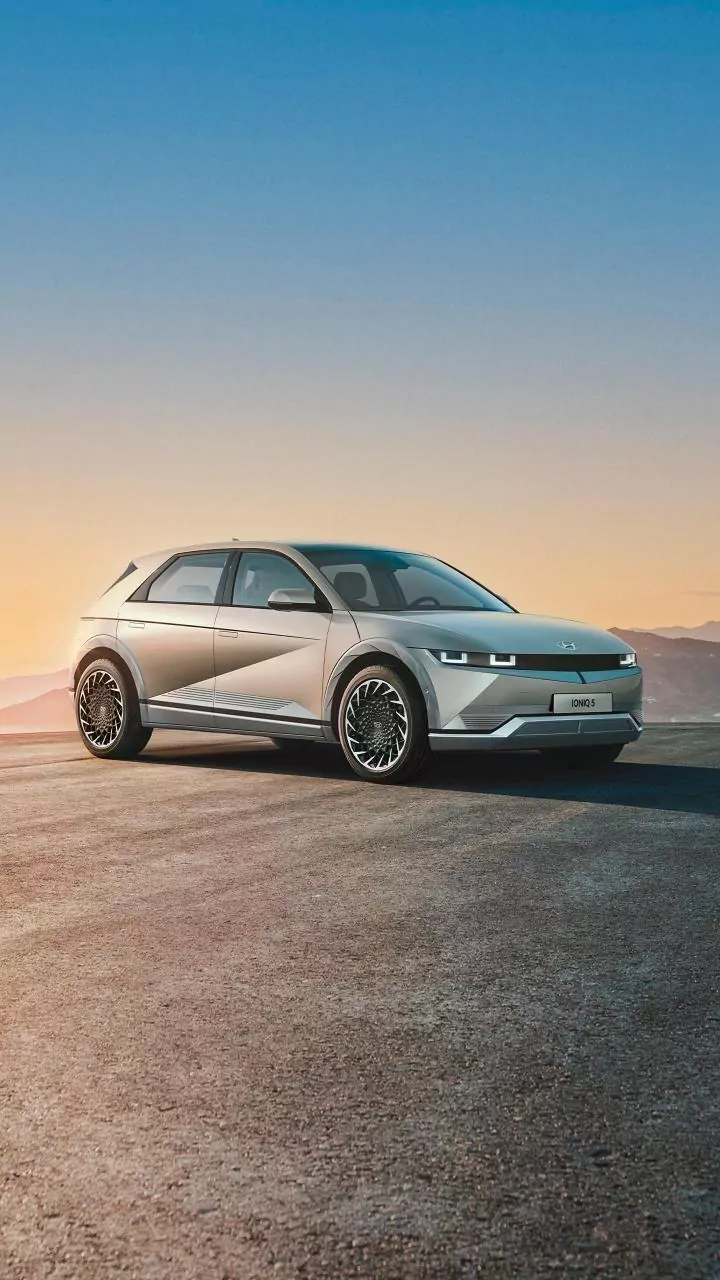
The cost-saving potential is enormous. Sodium is over a thousand times more abundant in the Earth's crust than lithium, and its raw material, sodium carbonate, is significantly cheaper. While the manufacturing process for sodium-ion batteries is still scaling up, experts predict it will eventually become cheaper than its lithium-based counterparts, especially for mass-market applications. Similarly, incorporating silicon into anodes could dramatically increase a battery's energy density. This means manufacturers could either offer cars with a much longer range for the same price or, more importantly for the entry-level market, create smaller, lighter, and drastically cheaper battery packs that still provide an adequate driving range for city commuting. This reduction in pack size and material cost flows directly to the vehicle's final sticker price.
What It Means for India’s EV Market
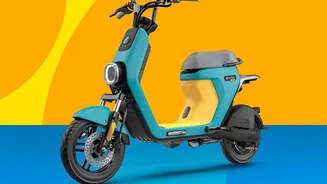
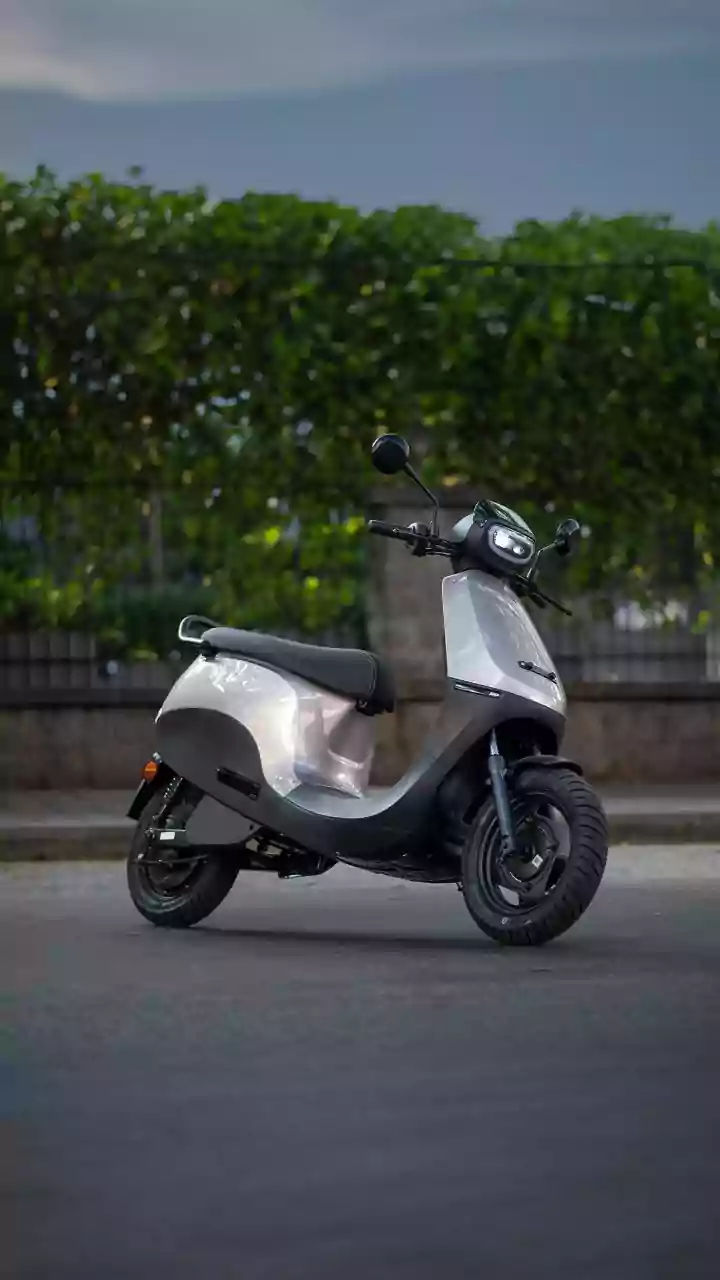
In a price-sensitive market like India, these developments are critical. The government is already pushing for domestic battery manufacturing through initiatives like the Production Linked Incentive (PLI) scheme to reduce import dependency. The adoption of technologies based on sodium and silicon could accelerate this mission. Since India has vast reserves of the raw materials needed for both, it presents an opportunity to create a self-reliant supply chain. Cheaper batteries would allow manufacturers to finally break the price barrier that has kept many potential buyers away. Models could be designed specifically for Indian use cases—affordable city cars and two-wheelers with a practical range, without the premium cost associated with long-range, high-performance batteries.
The Road Ahead: Hurdles and Timelines
While the promise is significant, patience is key. Sodium-ion technology is just now entering mass production, with major players like CATL leading the charge. These first-generation batteries have a lower energy density than lithium-ion, making them better suited for stationary storage or smaller city EVs initially, not long-range highway cruisers. Silicon anode technology also faces challenges, primarily managing the material's tendency to swell and crack during charging cycles, which can reduce battery lifespan. Researchers and companies like Enovix and Sila are actively working to solve these issues. Widespread commercial availability in mass-market cars is likely still a few years away, with experts eyeing the late 2020s for significant market impact.