





The perfect updo can feel like an exclusive club, reserved for those with just the right hair type. But a chic bun or elegant twist isn't out of reach. With a few insider tricks, you can make any updo work for you, no matter your hair's texture.
The Universal Foundation for a Great Updo
Before
tackling any specific style, the right preparation is key for everyone. Most updos hold best on hair that isn't freshly washed. The natural oils in second-day hair provide a helpful grip that silky, clean strands lack. If your hair is clean, don't worry. A quick spritz of dry shampoo or a texturizing spray at the roots will create the grit you need for pins and ties to stay put. This simple step creates a foundation that helps your style last, preventing it from slipping or collapsing within hours.
For Fine or Thin Hair: Create Fullness
The main challenge for fine hair is a lack of volume and the tendency for styles to look sparse. To combat this, focus on creating the illusion of thickness. A foam hair donut is a classic tool for a reason; wrapping a ponytail around one can make a bun appear two or three times fuller. Another technique is 'pancaking' your braids or twists. After creating a braid, gently pull on the edges to widen it, which makes it look much more substantial. When building a bun, start with a loose ponytail and tease the crown area first to build height. Securing the final style with U-shaped pins or spin pins can also provide a stronger anchor than traditional bobby pins.
For Thick or Heavy Hair: Manage the Weight
For those blessed with thick hair, the struggle is often gravity. A single, heavy updo can cause headaches and fall out quickly. The secret is to divide and conquer. Instead of one large bun, try splitting your hair into two or more sections. Creating two stacked buns vertically down the back of your head, for example, distributes the weight more evenly. For a French twist, sectioning off the top portion and twisting it separately before incorporating the bottom half can keep the style from unravelling. Using stronger tools like large, U-shaped hairpins instead of flimsy bobby pins is also crucial for securing a large volume of hair without strain.
For Curly or Coiled Hair: Embrace the Texture
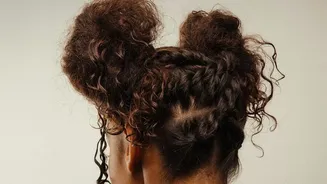
Curly hair has fantastic natural volume, which is a great asset for updos. The primary goal is to work with your texture, not against it, while controlling frizz. It’s essential to start with well-moisturized and defined curls, so using a curl cream or gel on damp hair is a great first step. When styling, avoid pulling the hair too tightly, which can disrupt your curl pattern and cause tension. Styles like a high 'pineapple' ponytail, space buns, or a loose, knotted updo are perfect because they showcase your natural texture. Securing the style with bobby pins that match your hair color and finishing with a shine spray can tame flyaways and add a polished glow.
For Short Hair: The Art of Illusion
Creating an updo with short hair is all about clever techniques. Even hair that seems too short can be styled effectively. A low, twisted 'bun' can be faked by creating two small, low ponytails, one above the other. Twist and pin each one to create the look of a single, fuller style. For a French twist effect, gather hair into a low ponytail, pull the elastic down toward the ends, then roll the ponytail upward and pin it against your head. Small, clear elastics and mini bobby pins are invaluable tools. You can also focus on half-up styles, using a claw clip or twisting back the front sections to keep hair off your face while leaving the rest down.