


Why Your Balcony Is a Lifeline
Pollinators like bees and butterflies are the unsung heroes of our ecosystem, responsible for the health of countless plants, including many fruits and vegetables we eat. However, with increasing urbanisation, their natural habitats are shrinking. Cities
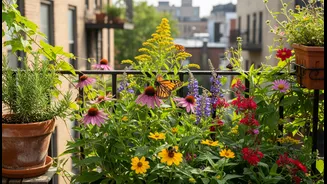
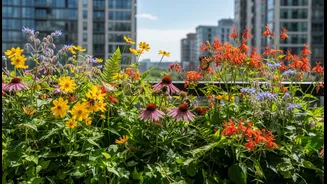
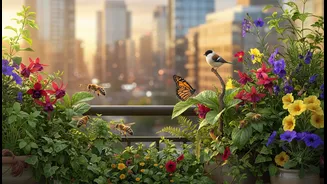
can feel like barren landscapes for these essential creatures. This is where your balcony comes in. Even a small space can act as a vital link, a 'bed and breakfast' for pollinators navigating the concrete jungle, connecting them between larger green spaces like parks. By creating a pollinator-friendly haven, you're not just beautifying your home; you are actively participating in urban conservation and supporting local biodiversity.
The Pollinator-Friendly Plant Palette
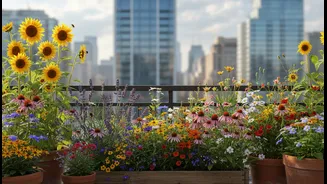
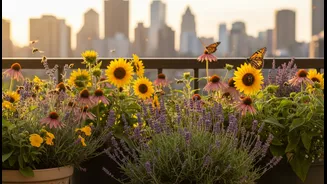
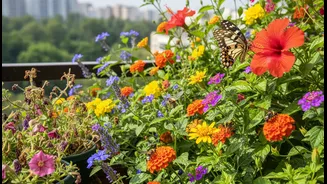
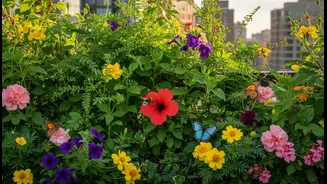
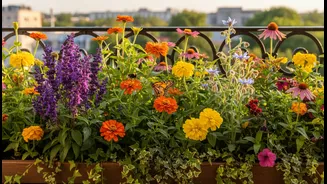
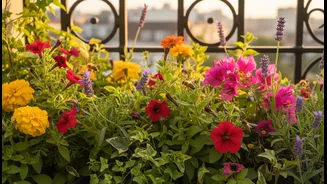
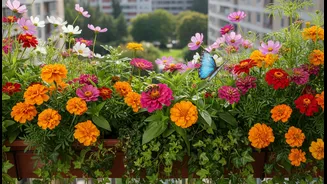
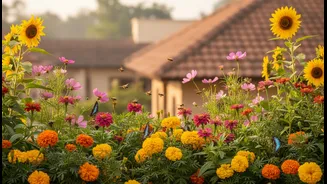
The foundation of any pollinator garden is the right selection of plants. You need flowers that are rich in nectar and pollen. Fortunately, many plants that thrive in Indian climates are perfect for the job. Brightly-coloured Marigolds (Genda) are a fantastic, low-maintenance choice, known to attract bees and butterflies. The vibrant, large blooms of Hibiscus are magnets for butterflies and even nectar-feeding birds like sunbirds. Fragrant plants like Lavender and holy basil (Tulsi) are irresistible to bees, with Tulsi being especially hardy in Indian conditions and valued for its ability to attract beneficial insects. For climbers that can make use of vertical space on railings, the Butterfly Pea is an excellent option that, as its name suggests, is a favourite among butterflies. Mix and match colours and flower shapes to appeal to a wider variety of pollinators.
More Than Just Flowers
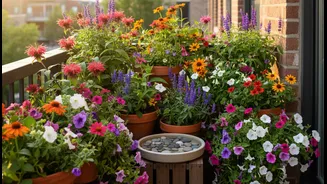
A truly welcoming habitat offers more than just food. Pollinators get thirsty, too. A simple, shallow dish of water can make a huge difference. To ensure bees and smaller insects don't drown, add a layer of pebbles, marbles, or small stones for them to land on safely while they drink. This simple water station can become a hub of activity on a hot day. It is also crucial to avoid using chemical pesticides in your garden. These poisons are harmful to the very creatures you're trying to attract. Instead, opt for natural pest control methods like companion planting or using neem oil solutions, ensuring your balcony remains a safe space for all visitors.
Designing Your Sanctuary
Arranging your plants thoughtfully can significantly boost your balcony's appeal. Cluster plants together to create a more attractive landing zone for pollinators. Use a variety of pot sizes to create different levels, which can also provide shelter from wind. If you have the space, consider adding a small 'bee hotel' made of bamboo tubes to provide nesting sites for solitary bees. Don't be too quick to tidy up at the end of a season; leaving some dead stems can provide important overwintering spots for certain insects. By thinking like a pollinator and providing food, water, and shelter, you turn a collection of pots into a functioning micro-habitat.
The Human Reward
The benefits of a pollinator balcony extend beyond helping wildlife. It brings nature right to your window, offering a daily spectacle of fluttering butterflies and buzzing bees. This connection to the natural world can be a source of immense joy and a powerful stress reliever. Tending to your plants and watching life flourish is a rewarding hobby in itself. You'll enjoy the vibrant colours and fragrances, and if you plant herbs like tulsi or mint, you'll have a fresh supply for your kitchen. Your small balcony becomes more than just an outdoor space; it transforms into a lively, beautiful, and purposeful extension of your home.