



A Nation's Nutritional Lifeline
The scale of India's dairy industry is immense. As the world's largest milk producer, it accounts for nearly a quarter of the globe's total output. In the 2024-25 fiscal year, production reached approximately 248 million tonnes. This is not just an economic
powerhouse contributing significantly to the agricultural GDP; it is a nutritional lifeline and a source of daily income for millions of smallholder farmers, most of whom own just a few animals. The cooperative system has been instrumental in this success, aggregating small quantities of milk from villages across the nation. This intricate network, however, is becoming increasingly vulnerable to the widespread effects of climate change.
How Heat Harms Dairy Cattle
Dairy cattle, like all mammals, have a specific temperature range in which they thrive. When the Temperature-Humidity Index (THI), a measure combining heat and humidity, exceeds a certain threshold (around 72), cows begin to experience heat stress. In many parts of India, summer months now regularly surpass this level for extended periods. Under heat stress, an animal's body diverts energy from production to thermoregulation—essentially, trying to cool itself down through panting and sweating. This leads to a cascade of negative effects: reduced feed intake, lower milk production, and decreased reproductive efficiency. Studies have shown that milk yield can drop by 10% to 30% during periods of intense heat. The quality of the milk also suffers, with a decrease in fat and protein content, which directly impacts the price farmers receive.
The Vulnerability of High-Yielding Breeds
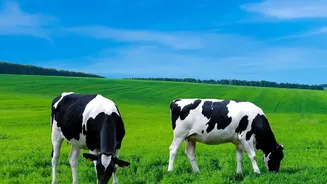
Ironically, the very breeds that fueled India's milk boom are often the most vulnerable. High-yielding crossbred cattle, such as Holstein Friesian and Jersey crosses, generate more metabolic heat and have fewer sweat glands compared to indigenous Indian breeds like the Gir or Sahiwal. Indigenous breeds have adapted over millennia to thrive in tropical climates and are naturally more heat-tolerant. While they may produce less milk on average, their resilience is a critical trait in a warming world. Buffaloes, which contribute significantly to India's milk supply, are also particularly susceptible to heat stress due to their dark skin and fewer sweat glands, making it harder for them to dissipate heat.
The Economic Ripple Effect
For the individual farmer, the consequences are direct and damaging. Lower milk output translates to a smaller paycheque. This is compounded by increased veterinary costs to treat heat-stressed animals, which are more susceptible to disease. This economic strain is not confined to the farm gate. Some projections estimate that without mitigation, India could face a 25% reduction in milk production by 2085 due to thermal stress. The annual economic loss from heat stress is already estimated in the thousands of crores. Such a significant drop in supply could eventually lead to higher retail prices for consumers and threaten the stability of the entire dairy cooperative model.
Searching for Climate-Resilient Solutions
Recognizing the threat, government bodies and industry leaders are beginning to focus on climate resilience. Initiatives like the National Innovation for Climate Resilient Agriculture (NICRA) and the Resilient Dairy Alliance are promoting strategies to help farmers adapt. Solutions range from low-cost changes in farm management—such as providing better shade, installing misting fans, and ensuring access to clean water—to more complex strategies. There is a growing emphasis on re-evaluating breeding policies to prioritize thermo-tolerant indigenous breeds. Additionally, improving animal nutrition with balanced rations can help reduce metabolic heat and even lower methane emissions, tackling both adaptation and mitigation simultaneously.