





A sharp, painful tremor has rocked global technology markets, wiping trillions from company valuations and sparking fears of a bursting AI bubble. But while the sell-off is real, the cause may be misunderstood. This isn't necessarily the AI collapse some
fear.
An Unmistakable Market Plunge
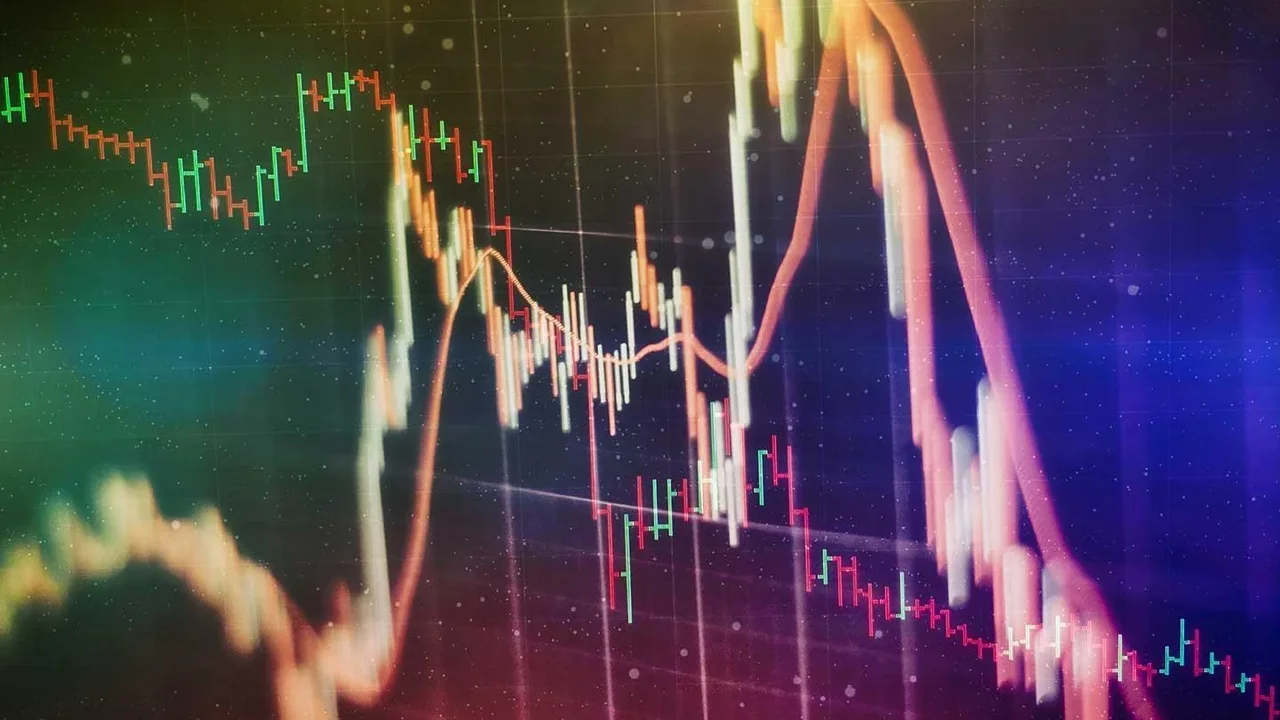
The past week has been brutal for tech investors. The tech-heavy Nasdaq index saw its worst single-day drop in nearly two years, tumbling over 5% and entering a market correction. The sell-off was global, with Asian and European markets following suit. Japan's Nikkei and South Korea's KOSPI each fell by around 6%. Companies at the heart of the AI boom were hit particularly hard; shares for chipmaker Nvidia sank over 9%, while other firms involved in the AI infrastructure supply chain saw double-digit losses. The sudden, violent downturn has left many asking if the AI-fueled market rally that has propped up global markets for years has finally come to an end.
Why Observers Fear an AI Bubble Burst
Fears of an AI bubble have been simmering for months. Valuations for tech companies had soared to levels not seen since the dot-com era, often seemingly detached from their actual profits. The trigger for the recent sell-off was linked to the US midterm election results, which sparked concerns among investors that a new political landscape could lead to tighter regulations on data centre construction, potentially slowing the pace of the AI buildout. This political shift collided with pre-existing anxieties. Investors were already growing nervous about the massive capital expenditure required for AI development and whether the eventual returns would justify the multi-billion dollar price tag, especially in an environment of rising interest rates.
Repricing, Not Collapse: The Real Story
The key to understanding the slump lies in the concept of 'market repricing'. This isn't about AI technology failing; it's about the cost of money changing. For years, central banks kept interest rates at historic lows, making it cheap for companies to borrow and invest in future growth. Investors, in turn, were willing to pay a premium for stocks based on the promise of future profits. Now, with inflation remaining a stubborn concern, central banks globally have been raising rates. Higher interest rates make future earnings less valuable in today's money. Consequently, investors are forced to 'reprice' what they believe companies are worth. This recalculation leads to lower stock prices, even for healthy, innovative companies. The sell-off was a repricing of firms involved in the AI infrastructure cycle, not a verdict against AI demand itself.
It’s the Economy, Stupid
The primary drivers of this repricing are macroeconomic, not technological. Persistent inflation and the resulting interest rate hikes from central banks like the US Federal Reserve and the Reserve Bank of Australia have made investors more risk-averse. The massive capital needed to fund the AI revolution—for data centres, chips, and power—is now competing for a global pool of money that is more expensive to borrow. Federal Reserve officials have openly discussed how the AI investment boom itself contributes to economic demand, complicating their fight against inflation. The market is simply adjusting to a new reality where capital is no longer cheap, forcing a more disciplined approach to investment and a reset of previously sky-high valuations.
AI’s Foundation Remains Strong
While stock prices are volatile, the underlying momentum of AI adoption and investment remains incredibly strong. A 2026 survey showed enterprise spending on AI services reached $176.8 billion, a more than fivefold increase from the previous year, driven by existing users dramatically increasing their budgets. Major tech giants like Microsoft, Amazon, and Alphabet are still projected to spend hundreds of billions on AI capital expenditures this year. Furthermore, research from institutions like Gartner and BCG confirms that corporate AI spending continues to grow rapidly, with nearly half of companies reporting that they are now capturing meaningful value from the technology. This is not the sign of a technological collapse. While a few startups might fail and valuations may correct, the fundamental demand for AI technology is not vanishing.