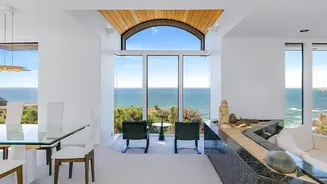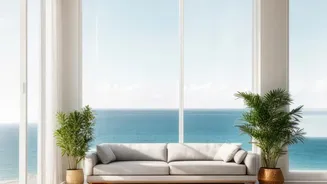






Evoke the feeling of a sun-drenched shore and a gentle sea breeze right in your own home. Creating an open, airy atmosphere is at the heart of coastal design, transforming rooms into tranquil, light-filled retreats that feel both relaxed and refined.
Embrace a Light, Breezy Colour Palette
The foundation of an airy coastal room is its colour scheme. Think of the natural landscape of the shore: soft whites, sandy beiges, and the pale blues of the sky and water. These hues serve as a neutral backdrop that reflects natural light, instantly making a space feel larger and more open. Start with walls painted in a crisp white or a warm, sandy taupe. Then, layer in accent colours inspired by the sea, such as soft seafoam green, muted blues, or even a deep navy for a touch of contrast. The key is to keep the overall palette light and harmonious, allowing the room to breathe.
Maximise Every Ounce of Natural Light
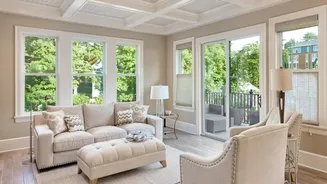
Abundant light is a non-negotiable element of coastal style. The goal is to blur the line between the indoors and outdoors. Start by keeping window treatments minimal. Sheer linen or cotton curtains that can billow in the breeze are a perfect choice because they offer privacy without blocking precious sunlight. If you want to go a step further, extend your curtain rods well beyond the window frame. This allows you to pull the drapes completely clear of the glass, maximizing the light that pours in. Strategically placed mirrors are another excellent tool; they bounce light around the room and create an illusion of greater depth and space.
Choose Furniture with a Lighter Profile
Heavy, dark furniture can make a room feel cramped. For a coastal vibe, opt for pieces that have a lighter visual weight. Sofas and chairs with exposed legs, for example, create a sense of openness by allowing you to see the floor underneath. Slipcovered sofas in light-coloured fabrics like cotton or linen are a classic coastal choice, suggesting a casual, relaxed atmosphere. Materials like rattan, wicker, and light, weathered woods are also ideal for accent chairs, coffee tables, and sideboards. A glass-topped coffee table can feel almost invisible, maintaining sightlines and contributing to an uncluttered feel.
Incorporate Layers of Natural Textures
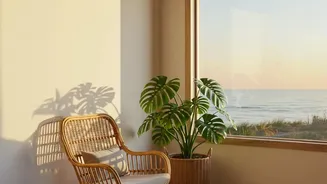
While colour and light set the stage, texture is what brings a coastal room to life, preventing it from feeling flat. Layering different natural materials adds warmth, depth, and a tactile connection to the outdoors. Think of woven jute or sisal rugs underfoot, which mimic the texture of dune grass. Add soft linen or cotton throws and pillows to your seating. Decorative accents made from rattan, seagrass, and driftwood introduce organic shapes and a handcrafted feel. The interplay of smooth surfaces (like a plaster wall) and rougher textures (like a woven basket) creates a rich, sensory experience that defines modern coastal style.
Keep Decor Simple and Intentional
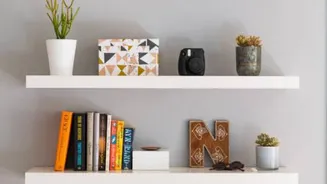
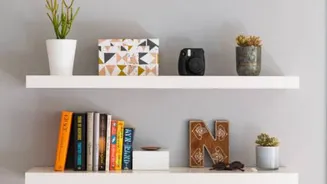
A key principle for creating an airy space is to avoid clutter. Coastal design leans towards a more minimalist approach, where less is more. Instead of filling every surface with nautical-themed trinkets, choose a few wellplaced, meaningful items. A single, beautiful piece of driftwood, a collection of sea glass in a clear vase, or large scale, serene artwork can make a stronger statement than a dozen smaller objects. Open shelving is preferable to heavy, closed cabinets, as it keeps the space from feeling boxed in. The focus should always be on creating a calm, uncluttered environment that allows you to relax and breathe.