



The Monsoon Craving Goes Digital
As the skies turn grey, social media feeds across India transform. Instagram Reels and YouTube Shorts fill with cinematic shots of rain-streaked windows, steam rising from cups of chai, and close-ups of street vendors expertly frying snacks. The stars
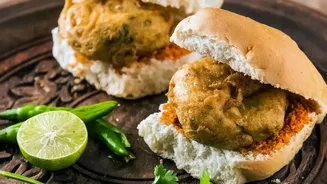
of these short-form videos are timeless monsoon favourites: crispy onion pakoras, roasted corn on the cob (bhutta) smeared with lemon and masala, and Mumbai’s iconic vada pav. This isn't just about food; it's about an aesthetic. Creators are capturing a mood that is instantly recognisable to millions, turning a universal seasonal craving into highly shareable digital content. The combination of rain, warmth, and comfort food is a powerful, ready-made narrative that resonates deeply with viewers.
A Potent Mix of Nostalgia and Sensory Appeal
So, why is this content so compelling? The answer lies in psychology and memory. For many Indians, the taste and smell of monsoon snacks are deeply linked to childhood. Rainy days often meant a break from outdoor play, gathering with family to enjoy hot, homemade treats. Psychologists call this 'associative learning,' where the brain links the weather with the comforting food, creating a powerful emotional trigger. Content creators tap directly into this nostalgia. Furthermore, these videos are a feast for the senses. The sizzling sound of batter hitting hot oil, the crunch of a perfectly fried samosa, and the visual of steam rising from a hot plate create a potent ASMR (Autonomous Sensory Meridian Response) experience that is highly engaging in a digital format. It’s a way to virtually taste and feel a cherished experience.
Authenticity as the Main Ingredient
In an era of polished and curated online personas, there is a growing appetite for authenticity. The viral success of monsoon street food content is a testament to this shift. Viewers are often more drawn to a humble street vendor skillfully preparing bhutta over hot coals than a chef in a sterile kitchen. These videos celebrate the hyperlocal and the real. Creators like Karan Dua of 'Dil Se Foodie' have built massive followings by exploring and reviewing street food across India, giving viewers an unfiltered look into the country's rich culinary landscape. By showcasing these local food heroes, creators are not just sharing a recipe; they are preserving and platforming a vital part of India's cultural fabric.
The Creator Economy Meets the Street Stall
This trend has also created an unlikely but powerful symbiotic relationship. For content creators, monsoon street food is a golden opportunity. The content is relatable, visually appealing, and performs exceptionally well, driving views and engagement. For the street vendors, a viral video can be transformative. A 30-second reel can turn a small, neighbourhood stall into a destination, bringing in a flood of new customers eager to try the now-famous snack. This has become a new form of hyperlocal marketing, where a creator's post can have a direct and immediate impact on a small business, showcasing the positive economic potential of the digital creator economy.