





More Than Just Breathing
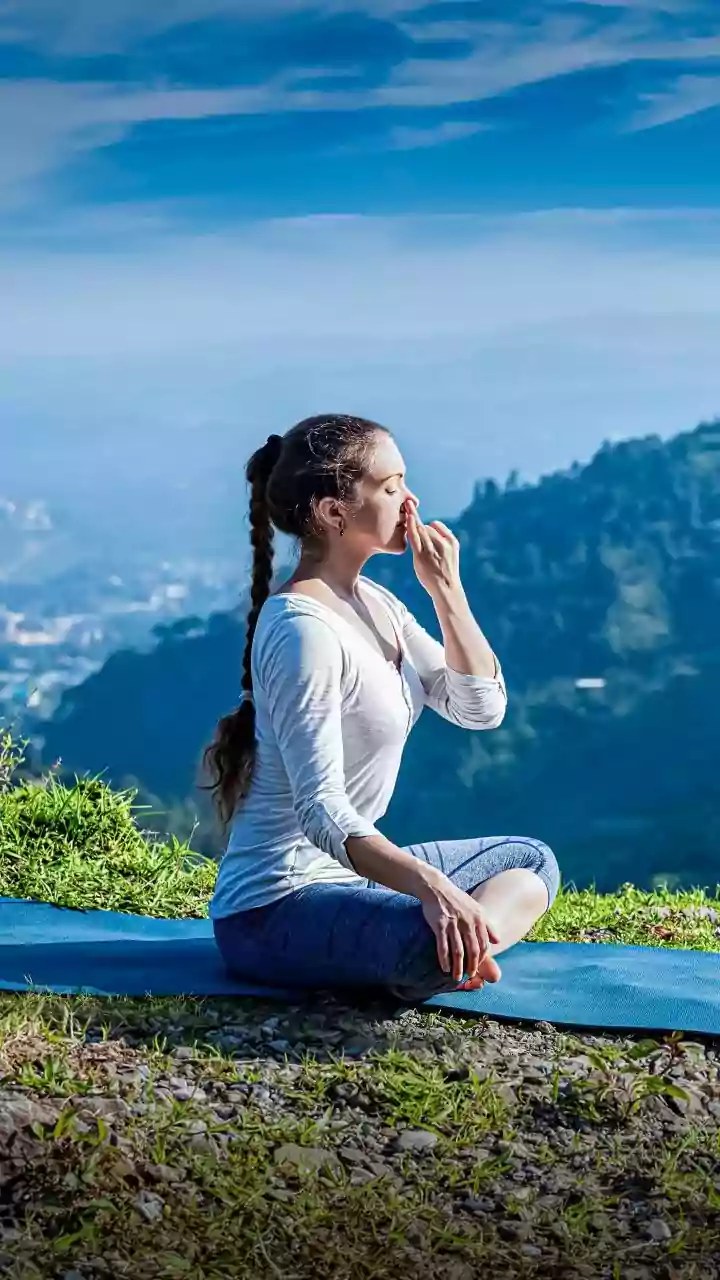
While the term 'breathwork' might sound new, its roots run deep in Indian culture through pranayama, the yogic practice of breath regulation. [6, 24] For centuries, yogis have used conscious breathing to influence prana, or life force energy, aiming for mental
clarity and spiritual growth. [13] Today’s popular breathwork, however, is a broader category. It includes traditional pranayama but also encompasses modern techniques developed in the 20th century, such as Holotropic Breathwork and the Wim Hof Method. [6, 17] These contemporary styles often focus more on psychological and physiological outcomes—like stress reduction, emotional release, and nervous system regulation—rather than an overarching spiritual philosophy. [11, 15] So, when we talk about the new trend, it's often pranayama's principles repackaged for a modern, secular audience, accessible through apps, workshops, and retreats across the country. [18, 19]
The Anatomy of a Modern Reset
Why is this ancient practice having a renaissance now? The answer lies in the pressures of modern Indian life. [12] Increased urbanisation, digital overload, and rising awareness of mental health are creating a demand for accessible wellness tools. [14] Post-pandemic lifestyles have amplified issues like corporate burnout and anxiety, making practices that offer a quick and effective 'reset' highly appealing. [12] Unlike an hour-long yoga class or a weekend retreat, a five-minute breathing exercise can be done at your desk, in your car, or before a difficult meeting. This convenience is a major driver of its popularity. Trends for 2026 show a significant shift in India towards preventive healthcare, mental fitness, and managing lifestyle diseases, creating a perfect environment for breathwork to thrive. [7, 9, 14]
The Science Behind the Sigh
The benefits of conscious breathing aren't just anecdotal; they're backed by a growing body of scientific research. One of the most significant impacts is on the nervous system. Slow, deep, diaphragmatic breathing activates the vagus nerve, which triggers the body's 'rest and digest' or parasympathetic response. [2, 3] This counteracts the 'fight-or-flight' mode we often find ourselves in, leading to immediate physiological changes like a lower heart rate, reduced blood pressure, and decreased levels of the stress hormone cortisol. [3, 8] Studies have shown that consistent practice can lead to improved mood, better sleep quality, enhanced focus, and reduced symptoms of anxiety and depression. [2, 4] Some techniques can even help with pain management by triggering the body's natural opioid system. [2, 5] Essentially, by consciously changing the pattern of your breath, you are sending direct signals to your brain to calm down and find balance.
Finding Your Flow in a Digital Age
The new wave of breathwork is highly accessible. You don’t need to be a yoga guru to get started. A burgeoning ecosystem of apps, online subscriptions, and in-person workshops makes it easy to begin. [18] Platforms are offering live daily pranayama classes streamed from spiritual hubs like Rishikesh, providing accountability and expert guidance from home. [18] For those seeking more intense experiences, breathwork retreats focusing on everything from trauma release to 'ice bath facilitator training' are becoming increasingly popular in destinations like Goa and the Himalayas. [20, 21, 22] These retreats often blend traditional techniques with modern therapeutic approaches like somatic healing and conscious connected breathing. [11, 23] This variety means there's an entry point for everyone, whether you're looking for a gentle daily practice to manage stress or a profound, transformative experience.