

Hiding in plain sight in vegetable markets across India is an ingredient poised to transform your home cooking: the banana flower. This large, purplish blossom offers a wonderfully unique texture and a host of benefits.
What Exactly Is a Banana Flower?
Known regionally as 'vazhaipoo',
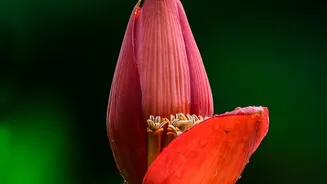
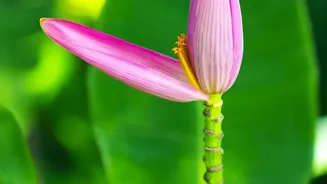
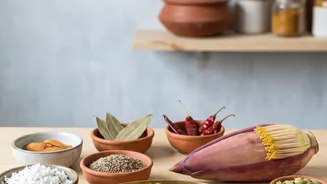
'kele ka phool', or 'mocha', the banana flower is the large, tear-drop-shaped blossom that hangs at the end of a banana bunch. It consists of outer purplish leaves, called bracts, which conceal rows of small, delicate florets inside. While the entire banana plant is celebrated in Indian cuisine, from the fruit to the stem, the flower remains a lesser-known gem. Its culinary magic lies not in its flavour, which is mild and slightly nutty, but in its remarkable texture that has been compared to artichoke hearts or even flaky fish.
A Textural and Nutritional Powerhouse
The primary allure of the banana flower is its unique consistency. When cooked, it develops a soft, fleshy, and fibrous quality that provides a satisfying, meaty bite, making it an excellent addition to vegetarian and vegan dishes. Beyond its texture, the banana flower is packed with nutritional value. It is a great source of dietary fibre, both soluble and insoluble, which aids digestion and promotes a feeling of fullness. It's also rich in antioxidants and essential minerals like potassium, calcium, magnesium, iron, and zinc. Traditional Ayurvedic practices have long celebrated it for various health benefits, including supporting menstrual wellness and managing blood sugar levels.
Your Guide to Painless Preparation
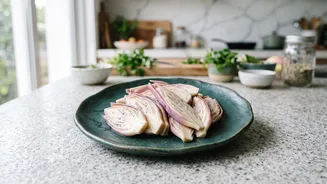
The most intimidating aspect of cooking with banana flower is the preparation, but it’s a manageable task. Before you begin, rub your hands and knife with a little oil to prevent staining from the flower’s sap. Start by peeling away the tough, outer purple bracts. Beneath each one, you'll find a row of florets. For each floret, you must remove two inedible parts: a tough, matchstick-like stamen (pistil) and a small, translucent papery petal (calyx). This is the most time-consuming part. As you clean the florets, immediately place them in a bowl of acidic water (water mixed with lemon juice, vinegar, or buttermilk) to prevent them from browning and to reduce their natural bitterness. Continue peeling layers until you reach the pale, tender core, often called the banana heart. This heart can be chopped and used along with the cleaned florets.
Bring the Blossom to Your Kitchen
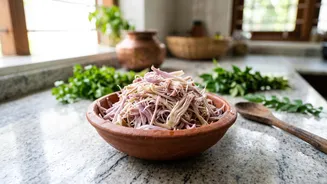
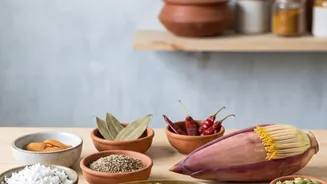
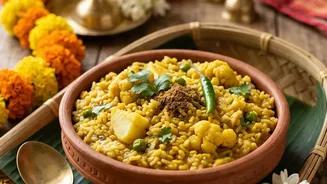
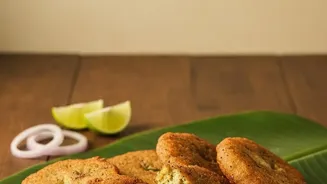
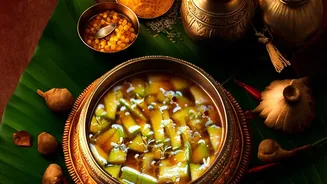
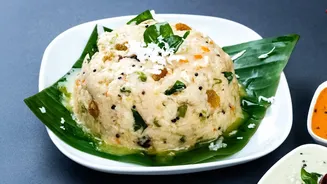
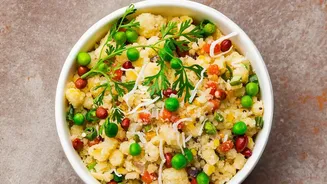
Once cleaned and chopped, the banana flower is ready to absorb the flavours of your cooking. Its versatility shines in a variety of Indian dishes. A classic South Indian preparation is 'Vazhaipoo Poriyal', a simple and healthy stir-fry where the chopped flower is sautéed with onions, spices, and a generous amount of fresh grated coconut. In Bengal, 'Mochar Ghonto' is a beloved delicacy. This semi-dry curry involves cooking the banana blossom with potatoes, boiled Bengal gram (kala chana), and a fragrant mix of spices like cumin, ginger, and garam masala, often finished with ghee and grated coconut for richness. Don’t hesitate to get creative. The flower's flaky texture makes it a fantastic ingredient for cutlets and fritters ('vadais'), or as a plant-based substitute in various curries and stuffings.