






The Magic of Sandige
Before we begin, let's address the 'instantly' in the headline. While the sun-drying process requires a couple of days of patience, the actual preparation of the sandige batter is incredibly fast. You can go from having a bowl of plain rice to having your
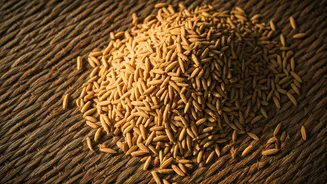
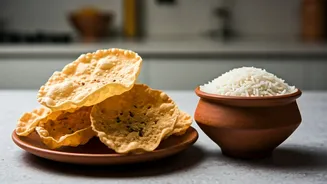
sandige laid out to dry in under 15 minutes. It’s an 'instant' way to start the process of creating something truly special. Sandige (also known as 'vadam' or 'fryums' in different parts of India) are sun-dried crisps made from various starches. Rice sandige, or 'akki sandige', is a classic, born from the wisdom of our grandmothers who believed in zero waste. It’s a brilliant method for preserving a surplus of cooked rice, turning it into a delicious, shelf-stable snack you can enjoy for months.
What You Will Need
The beauty of this recipe lies in its simplicity. You likely have everything you need in your pantry already. This recipe is for approximately 2 cups of cooked rice; you can easily scale it up or down. - Leftover Cooked Rice: 2 cups (any plain, non-sticky variety like Sona Masoori works best) - Water: As needed (usually a few tablespoons) - Green Chillies: 2-3, depending on your spice preference - Cumin Seeds (Jeera): 1 teaspoon - Asafoetida (Hing): A generous pinch - Salt: To taste (around 1 teaspoon, but adjust based on how salty your rice is) You'll also need a mixer-grinder, a plastic sheet or clean cloth for drying, and a piping bag (or a sturdy zip-lock bag with a corner snipped off).
Preparing the Batter in Minutes
This is the 'instant' part of the process. Your goal is to create a smooth, thick, and pipeable paste. 1. **Combine Ingredients:** Add the leftover cooked rice, green chillies, cumin seeds, asafoetida, and salt to your mixer-grinder jar. 2. **Grind to a Paste:** Start grinding without adding any water. The moisture from the rice should be enough to get it going. Scrape down the sides of the jar as needed. 3. **Adjust Consistency:** If the mixture is too thick and won't grind smoothly, add water one tablespoon at a time. Be very careful here. You want a very thick, smooth paste, similar to the consistency of toothpaste. If it becomes too thin, the sandige won't hold their shape. 4. **Final Check:** Taste the batter for salt and adjust if necessary. The flavour should be potent, as it will mellow out after drying and frying.
The Art of Piping and Sun-Drying
Now, it's time to shape your sandige and let the sun do its work. Find a spot that gets direct, strong sunlight for at least 6-8 hours a day, like a balcony or terrace. 1. **Prepare Your Surface:** Lay a clean plastic sheet, a greased steel plate, or an old, clean cotton saree or dhoti on a flat surface. 2. **Pipe the Sandige:** Fill your piping bag (or zip-lock bag) with the rice paste. Pipe small, coin-sized dollops or thin, noodle-like squiggles onto the sheet. Keep them small and uniform in size so they dry evenly. 3. **Sun-Dry:** Leave them under the hot sun for 2 to 3 days. In the evening, bring the sheet indoors to protect it from dew. By the end of the first day, they should be dry enough to peel off the sheet and flip over to ensure the other side dries completely. They are ready when they are bone-dry, brittle, and translucent. If you don't have access to strong sun, you can dry them in an oven on the lowest temperature setting with the door slightly ajar for 8-10 hours, or until completely dehydrated.
Frying to Golden Perfection
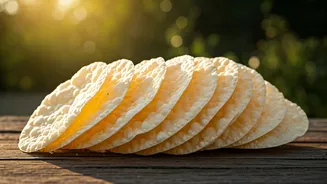
This is the most satisfying step. Heat neutral oil in a kadai over medium-high heat. To test if the oil is ready, drop a single sandige in. It should sizzle immediately and puff up within seconds. Don't let the oil get smoky, or they will burn. Drop a handful of dried sandige into the hot oil. They will dramatically expand and turn a crispy, light golden white. This happens very quickly—in about 5-7 seconds. Use a slotted spoon to immediately remove them and drain them on a paper towel. Let them cool slightly before serving. Watch as they transform from tiny, hard chips into airy, crunchy delights.
Storage and Flavour Variations
Once completely dried, these sandige have an excellent shelf life. Store them in a completely airtight container in a cool, dry place. They will easily last for over a year, ready to be fried up whenever you crave a crunchy snack. They are a perfect accompaniment to sambar rice, rasam rice, or just as a standalone tea-time treat. Feel free to experiment with the flavours. You can add a teaspoon of sesame seeds (til) for a nutty taste, crushed black pepper for a different kind of heat, or even finely chopped coriander or curry leaves to the batter for a herby twist.