




In an age where streaming is king, the allure of the big screen seems almost nostalgic. But rushing a film to OTT is a short-sighted strategy. A theatrical run isn't just about ticket sales; it's about building a legacy and maximizing value.
The Power of the Event
A direct-to-OTT
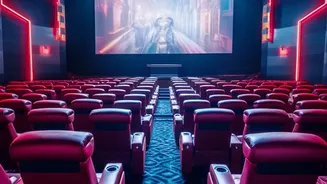
release offers convenience, but it can never replicate the cultural weight of a theatrical debut. Going to the movies is an event. It’s a collective experience of laughter, tears, and applause shared with strangers in the dark. This communal viewing transforms a film from mere content into a cultural moment. This buzz, fueled by opening weekend numbers and word-of-mouth, is an organic marketing campaign that a quiet drop on a streaming service struggles to match. The industry is seeing a firm shift back to a theatre-first model, with the window before an OTT release now typically extending to eight weeks. This gap allows a film to breathe, build its reputation, and become a topic of conversation, ensuring it arrives on streaming platforms not as a random new addition, but as a celebrated hit.
Maximizing Financial Returns
From a purely financial standpoint, skipping theatres often means leaving money on the table. A theatrical release unlocks multiple, sequential revenue streams: domestic box office, international distribution, satellite rights, music rights, and then the lucrative OTT deal. The box office performance acts as a crucial benchmark for all subsequent rights. A blockbuster run drastically increases a film's value to streaming platforms. For example, after a disappointing theatrical run, the asking price for the OTT rights of the film 'Toxic' reportedly plummeted from a potential Rs. 200 crore to as low as Rs. 30 crore, demonstrating how theatrical failure can cripple a film's financial future. Conversely, a strong box office showing ensures a producer can negotiate from a position of power, securing a much higher price for the digital premiere. As platforms themselves tighten their belts and become more selective, a proven theatrical success is the best guarantee of a premium deal.
Building a Film’s Legacy and Brand
How do films become classics? They embed themselves in the public consciousness, and a theatrical run is the most effective way to do that. The media frenzy, the poster campaigns, the box office reports—all these elements contribute to building a film’s brand identity. It becomes more than a story; it becomes an asset. Even films that initially underperform at the box office can find a second life and cult status on OTT, precisely because their initial theatrical run gave them a baseline of awareness. This is a redemption arc that is much harder for a film that debuts quietly on a streaming service. Furthermore, some platforms now prefer to acquire films that have already had a theatrical release, as it signals the producer's confidence in the content and reduces the platform's marketing burden.
The Symbiotic Relationship
The debate shouldn't be framed as 'Theatres vs. OTT'. Instead, it should be seen as a strategic partnership. The theatrical window serves as the ultimate marketing tool for the subsequent streaming release. By the time a successful film arrives on a platform like Netflix or Prime Video, it comes with pre-established hype and audience anticipation. Viewers who missed it in cinemas are eager to catch up, while those who loved it on the big screen are ready for a re-watch. Gross box office collections in India have been hitting all-time highs, even as direct-to-digital premieres have fallen by 50% between 2024 and 2025, showing a clear industry trend. This proves that the two models can and should coexist, with each platform playing a distinct and valuable role in a film's lifecycle.