







Embrace the Layering System
The secret to packing for wildly different climates is not to pack for each one individually, but to pack a single, adaptable wardrobe built on layers. Instead of a bulky sweater for the cold and thin shirts for the heat, think in three parts: a base
layer to manage moisture, a mid-layer for insulation, and an outer layer for protection. This system allows you to add or remove pieces to match the temperature, ensuring you’re comfortable whether you’re on a humid coastline or a windy mountain trail. Each piece should be chosen for its versatility and ability to work with the others.
The Base Layer: Your Second Skin
Your base layer is what you wear closest to your skin. Its primary job is to wick sweat away to keep you dry. For multi-climate travel, merino wool is a superstar fabric. It’s breathable in the heat, insulating when it's cold, and naturally resists odours, meaning you can wear it multiple times between washes. Pack a few short-sleeve and long-sleeve tops made from merino wool or a high-quality synthetic fabric. These will serve you well during hot days on their own and act as the perfect foundation when the temperature drops. Avoid cotton for this layer, as it absorbs moisture and can leave you feeling damp and chilled.
The Mid-Layer: Your Warmth Engine
This is your insulation layer, designed to trap body heat. The key here is warmth without bulk. A lightweight fleece jacket, a cashmere-blend sweater, or a packable down or synthetic-fill 'puffer' jacket are all excellent choices. A puffer jacket is particularly useful as it can be compressed into a tiny pouch, saving valuable luggage space, and can even double as a pillow on planes or trains. A quality mid-layer should be easy to throw on over your base layer during a cool evening and fit comfortably under your outer shell for serious cold.
The Outer Shell: Your Shield
Your outermost layer needs to protect you from wind and rain. A high-quality, lightweight, and packable waterproof and windproof jacket is non-negotiable. Look for a 'shell' jacket that isn't insulated, as its main purpose is protection from the elements, not providing warmth on its own. This allows you to use it as a simple rain jacket in a warm, tropical downpour or as the final piece of your layering system in a cold, blustery environment. Ensure it's breathable, so you don’t trap moisture inside while hiking or walking.
Versatile Bottoms, Footwear, and Accessories
Apply the same logic to your lower half. A pair of comfortable, quick-drying hiking or travel trousers is essential. Some travellers swear by convertible pants that zip off into shorts. For women, lightweight maxi skirts or loose linen trousers work well in both conservative cultures and hot weather. A pair of thermal leggings can be worn under your trousers for extra warmth at high altitudes. For footwear, limit yourself to two or three pairs. A sturdy, comfortable pair of waterproof walking shoes or trail runners can handle most situations. Supplement this with a pair of sandals or slip-on shoes for the coast. Finally, don't forget a warm hat (beanie), gloves, and a sun-blocking cap or scarf; these small items offer significant warmth or sun protection with minimal packing space.
Smart Packing and The Rule of Neutrals
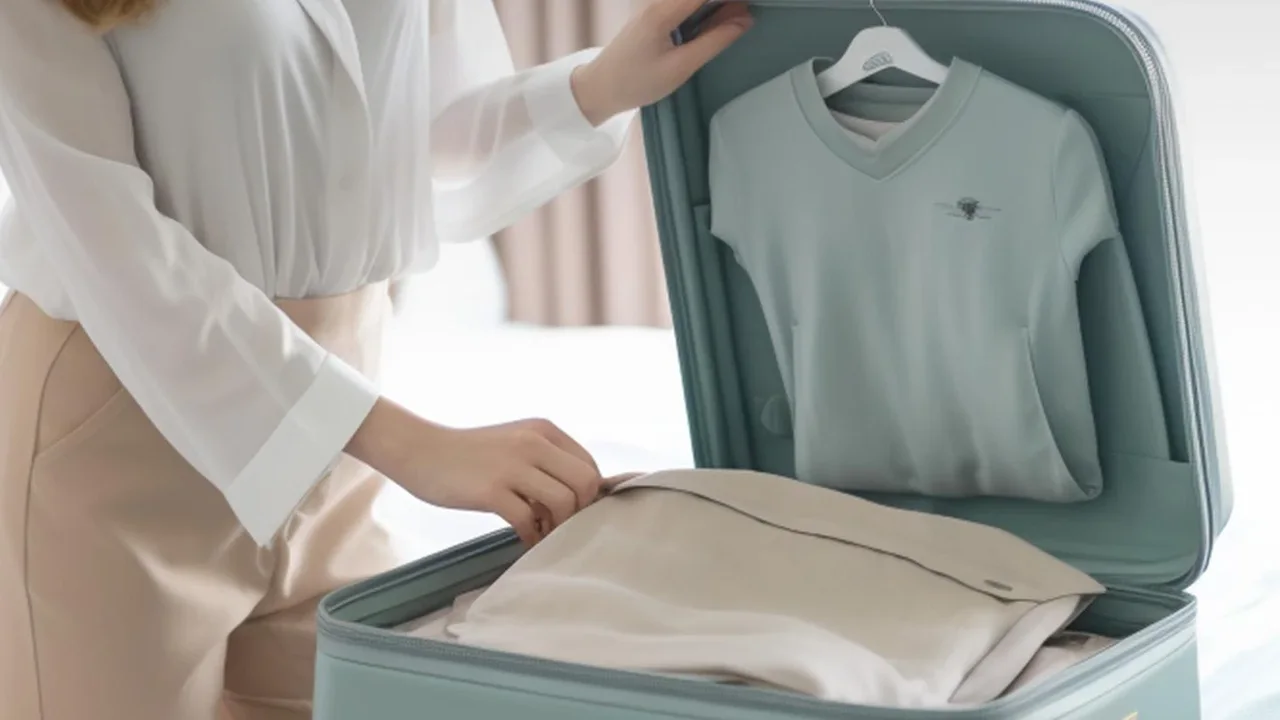
To make everything work together, stick to a complementary colour scheme. Choosing mostly neutral colours for your main pieces—like black, grey, navy, or olive—ensures everything can be mixed and matched. You can add personality with a colourful scarf or T-shirt. Use packing cubes to compartmentalise your layers and compress clothing to save space. Roll your clothes tightly rather than folding them to minimise wrinkles and maximise every inch of your bag. Remember the golden rule: pack less than you think you need. Laundry services are often cheap and available, and you want to focus on the journey, not the weight of your luggage.