







A Mixed Environmental Report Card
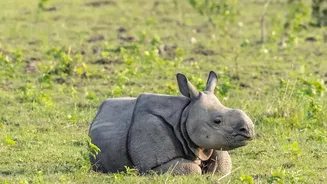
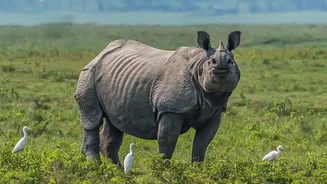
Recent data presents a dual narrative. On one hand, India has achieved notable successes in conserving high-profile species like tigers, lions, and rhinos. The latest Living Planet Report from WWF, released in October 2026, highlighted India for its effective
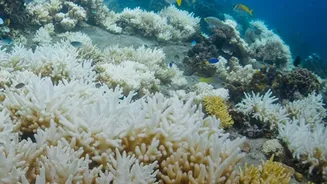
wildlife recovery programs, turning around the populations of these iconic animals. However, this positive news is set against a grim backdrop. The same report indicates a staggering 73% decline in the average size of monitored wildlife populations globally since 1970. For the Asia-Pacific region, including India, the drop is 49%. This suggests that while focused efforts on specific species are working, the broader habitats they depend on remain under severe pressure.
Biodiversity Hotspots Under Pressure
India is one of the world's megadiverse countries, holding 7-8% of all recorded species on just 2.4% of the world's land area. It is home to four of the 34 globally identified biodiversity hotspots: the Himalayas, the Western Ghats, the Indo-Burma region, and the Sundaland region (which includes the Nicobar Islands). These areas have an exceptionally high concentration of endemic species but also face extreme threats. The Western Ghats, for instance, are older than the Himalayas and home to at least 325 globally threatened species. However, this hotspot has already shrunk dramatically due to deforestation, agricultural expansion, and urbanisation. Similarly, the Himalayas, with over 10,000 plant species, face immense pressure from infrastructure projects and climate change.
The Silent Crisis of Wetlands and Grasslands
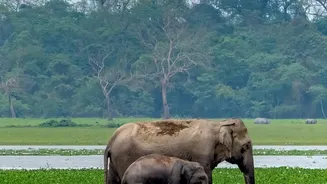
The conservation narrative in India has often been dominated by forests and large mammals. However, data increasingly points to an urgent crisis in less celebrated, but equally vital, ecosystems. Open natural ecosystems—including grasslands, scrublands, and semi-arid landscapes—are under severe threat. The 'uplisting' of several bird species like the Indian Courser by the IUCN highlights the degradation of these habitats, which are often mistakenly classified as 'wastelands' and targeted for afforestation or development. Similarly, India has lost nearly 30% of its natural wetlands in the last three decades. These ecosystems are crucial for water security, flood control, carbon storage, and as habitats for countless species, especially migratory birds. Their degradation, driven by urbanisation and pollution, poses a direct threat to both ecological stability and human well-being.
The Human Factor: Development and Climate Change
The primary driver of habitat loss, according to multiple data sources, is human activity. Agricultural expansion, urbanisation, pollution, and large-scale infrastructure projects are consistently cited as the main culprits. Data reveals a direct conflict between development and conservation, with large tracts of forest land, and even protected areas, being diverted for projects. This is compounded by the escalating climate crisis. The Centre for Science and Environment's 'State of India's Environment 2026' report notes a sharp rise in extreme weather events, which occurred on 99% of days in 2025, causing immense crop damage and loss of life. These events, particularly floods and droughts, put immense strain on already fragile ecosystems, from riverine habitats to coastal wetlands.