



What is Fibre, and Why Does It Matter?
Fibre is a type of carbohydrate that your body can't digest. Instead of breaking down into sugar, it passes through your system, working wonders along the way. There are two main types, and you need both. Soluble fibre dissolves in water to form a gel-like
substance that slows digestion. This helps control blood sugar levels and can lower cholesterol. Insoluble fibre doesn't dissolve; it adds bulk to your stool, helping food pass more quickly through your digestive system and preventing constipation. A high-fibre diet is linked to a lower risk of heart disease, type 2 diabetes, and certain cancers, and it's a fantastic tool for weight management because it helps you feel fuller for longer. In short, it’s essential for good health.
The Daily Goal and the Indian Reality
According to the Indian Council of Medical Research (ICMR), adults should aim for about 25 to 30 grams of fibre per day. Unfortunately, studies show that many urban Indians consume only about 15 grams daily, a significant shortfall linked to rising lifestyle diseases. The good news is that traditional Indian cuisine is naturally rich in fibre. The gap often comes from modern habits like favouring polished white rice over brown rice or millets, using refined maida instead of whole wheat atta, and not eating enough vegetables and dals.
Meet Your Kitchen's Fibre All-Stars
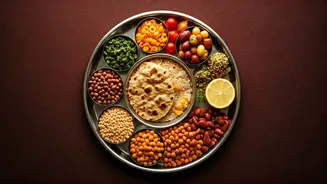
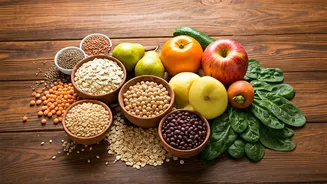
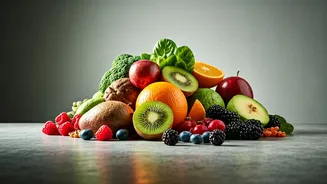
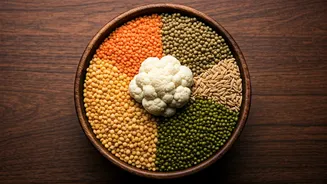
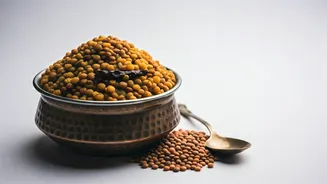
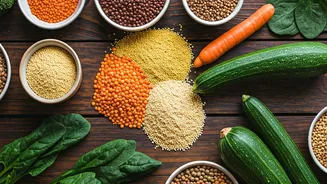
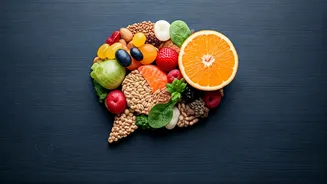
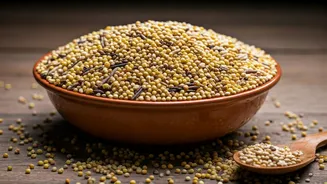
You don’t need to hunt for expensive superfoods to boost your fibre intake. Many of the most affordable and accessible foods in India are packed with it. Lentils and legumes are champions; a single serving of dal, chana, or rajma can provide a significant portion of your daily needs. Whole grains like bajra, jowar, ragi, and whole wheat are excellent sources. When it comes to vegetables, everyday heroes like beans, peas, carrots, spinach, and okra are fantastic choices. For fruits, look no further than seasonal, local options like guava, papaya, apples, and bananas. Guava, in particular, is one of the most fibre-rich fruits commonly available in India.
Simple Swaps for a High-Fibre Diet
Increasing your fibre intake doesn't require a complete diet overhaul. Small, consistent changes can make a huge difference. Start by swapping refined grains for whole ones: choose whole wheat roti over maida, and try replacing some of your white rice with brown rice or millets. Aim to include a dal or legume in at least one main meal daily. Fill half your plate with vegetables at lunch and dinner. For snacks, trade biscuits and packaged foods for a piece of whole fruit, a handful of roasted chana, or some peanuts. And remember to eat the whole fruit instead of juicing it to retain all the beneficial fibre.
Putting It All Together, Simply
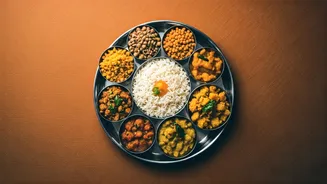
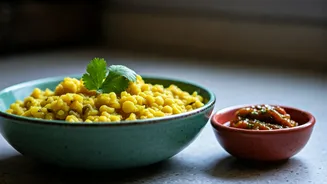
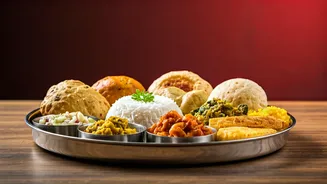
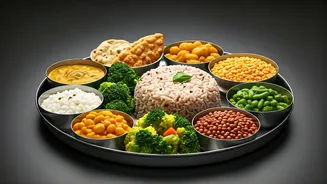
A high-fibre day is easier than you think. Breakfast could be a vegetable-packed poha or a moong dal cheela. For lunch, a simple plate of dal, a generous serving of sabzi, and a couple of jowar rotis works perfectly. Dinner could be a comforting bowl of vegetable khichdi. The key is variety and consistency. You don’t need to eat every high-fibre food every day. Just focus on rotating through different pulses, grains, and seasonal produce to build a diet that is sustainable, enjoyable, and naturally rich in this crucial nutrient. And as you increase your fibre, make sure to drink plenty of water to help it do its job effectively.