





The Great Festive Travel Squeeze
For millions of Indians, the period from Dussehra through Diwali and Chhath Puja is a time for family, celebration, and travel. This mass movement triggers a predictable yet painful annual event: a dramatic surge in the price of flights, trains, and buses.
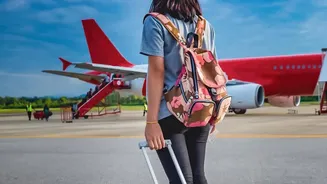
The core reason is a simple, powerful economic principle: supply and demand. A limited number of seats on planes and trains are chased by a massive number of people all wanting to travel on the same handful of days. Airlines and bus operators use dynamic pricing models, where algorithms increase fares as demand rises and seat availability drops. This means a flight ticket that costs ₹6,000 on a normal day can easily jump to ₹15,000 or even ₹25,000 on popular routes like Delhi-Mumbai or Bengaluru-Kolkata during the festive peak. This year, the pressure is even higher due to rising aviation fuel costs, which airlines pass on to consumers.
The Budget Dilemma and Shifting Priorities
The steep rise in fares forces many families to make difficult choices. A travel budget that might have comfortably covered a trip for four can suddenly be consumed by airfares alone. This financial strain is a primary driver in how destination decisions are made. Many travellers are forced to reconsider their plans entirely. Instead of flying to their hometowns, some may opt for slower, less comfortable, but more affordable train or bus journeys, provided they can secure a booking. For others, the high cost becomes a deal-breaker, leading them to shorten their trips, travel alone while the family stays put, or cancel the journey altogether. The festive travel dream often collides with a harsh financial reality, making what should be a joyful reunion a source of significant stress.
Exploring Closer to Home
One of the most significant impacts of high transport costs is the growing trend of choosing alternative destinations. When a flight to a hometown in Bihar or West Bengal becomes prohibitively expensive, a family based in Delhi might instead opt for a short holiday in the hills of Uttarakhand or a drive to Rajasthan. This shift benefits tourism in destinations that are within driving distance of major metropolitan hubs. Hill stations like Shimla and Manali, coastal towns, and heritage sites like Jaipur and Udaipur see a surge in visitors who are priced out of their original travel plans. This creates a ripple effect, boosting local economies in these areas but also highlighting the financial barrier that prevents many from celebrating with their families in their native places.
Smart Strategies to Beat the Price Surge
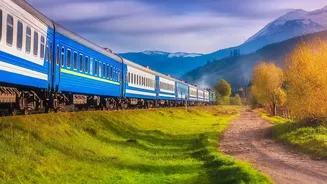
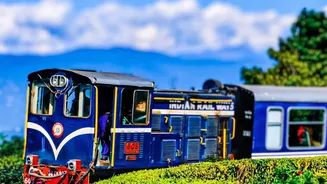
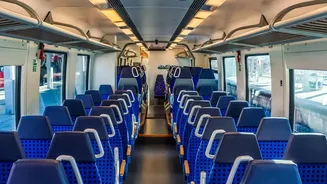
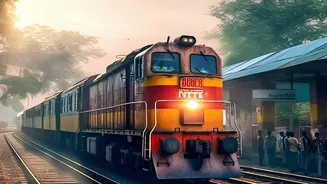
While high prices are a festive fixture, strategic planning can make a significant difference. The single most effective strategy is to book well in advance. Experts suggest booking flights as early as 19-20 weeks before Diwali for popular routes. Flexibility is also key. Flying a day or two before the main rush or on the day of the festival itself can sometimes result in lower fares. Using price comparison websites and setting up fare alerts can help you grab a deal when prices momentarily dip. It’s also wise to compare all modes of transport. While trains are the first to get booked, the government often announces thousands of special festive trains to manage the rush, which can be a viable option if you monitor announcements from Indian Railways. Booking return tickets at the same time is also advisable, as last-minute return fares can be even more inflated.
A Different Kind of Festive Trip
Faced with high costs on traditional routes, some travellers are redefining what festive travel means. Instead of a homecoming, they are opting for a vacation to offbeat destinations that are less crowded and cheaper to reach. Places like Gokarna, Kalimpong, or parts of the North East offer a peaceful escape from the festive hustle at a fraction of the cost. Travel companies are also promoting package deals to international destinations like Bhutan, Vietnam or Thailand, which can sometimes be surprisingly competitive with peak domestic airfares to certain Indian cities. This reflects a growing willingness among some urban Indians to trade a traditional family Diwali for a new travel experience, driven in large part by the economics of festive transport.