


More Than Just Furniture
There's a quiet revolution happening in Indian living rooms. Instead of chasing the latest catalogue trends, homeowners are turning back to their roots. They are pulling old, often neglected, family furniture out of storage and giving it a second life.
This isn't just about saving money; it’s about preserving memories and embedding them into the fabric of a modern home. That solid rosewood dining table that has hosted decades of family meals or a grandmother's beloved rocking chair carries an emotional weight that no mass-produced item can replicate. By keeping these pieces, homeowners are allowing family stories to remain a part of their everyday lives, creating spaces that feel curated, personal, and full of character.
A Stand Against Fast Furniture
This trend is also a conscious rejection of 'fast furniture'—the cheaply made, disposable items that often end up in landfills after just a few years. As awareness about sustainability grows, many Indians are looking for more eco-friendly ways to decorate their homes. Upcycling and restoring old furniture is a powerful way to reduce waste and minimise environmental impact. Materials like old teak, sheesham, and rosewood are incredibly durable and were built to last for generations, a stark contrast to the engineered boards and laminates common today. By choosing to repair and refinish, homeowners are making an ethical choice that supports a circular economy and honours the planet's resources.
The New-Old Aesthetic
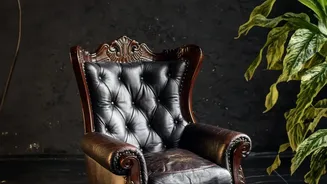
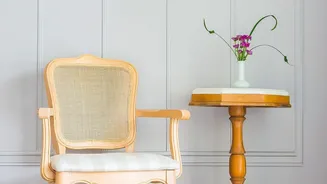
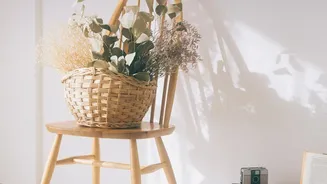
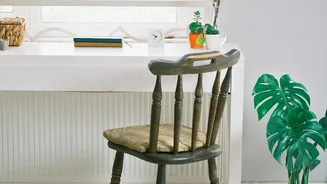
The most exciting part of this movement is how the old is being integrated with the new. A vintage piece doesn't have to dictate an old-fashioned decor scheme. In fact, the contrast between a classic, hand-carved cabinet and a minimalist, modern sofa can be stunning. Designers and homeowners are getting creative, transforming heirloom pieces for contemporary living. An old trunk might become a chic coffee table, a discarded door can be repurposed as a dining tabletop, and a simple coat of paint or new upholstery can completely revolutionise a vintage chair. This fusion of vintage and modern creates a home that feels layered, interesting, and unique—a far cry from cookie-cutter interiors.
The Value Proposition
While a professional restoration requires investment, it often presents better long-term value than buying new. A 20-year-old solid wood table is frequently better built than a new laminate one at a similar price point. The cost of refinishing a piece—which can involve sanding, staining, and polishing—is often significantly less than the price of a brand-new, high-quality equivalent. More importantly, you are investing in an item with proven durability and unmatched character. These restored pieces aren't just furniture; they are 'heirloom-quality art' that can be passed down, gaining more character and value as they age with the family.
Reviving Traditional Craftsmanship
This trend also shines a spotlight on the incredible skill of local artisans. The carpenters, polishers, and weavers who specialise in furniture restoration are masters of their craft. Their ability to breathe new life into worn-out pieces is essential to this movement. By choosing to restore, homeowners are not only saving a piece of their family history but are also helping to preserve traditional craftsmanship that might otherwise be lost. It’s a celebration of 'Made in India' that supports local economies and ensures these valuable skills are passed on to the next generation. This growing appreciation for handcrafted quality is a significant shift from the era of mass production.