





The Dawn of Experiential Dining
The idea of dining out is undergoing a significant transformation in India. What was once a transaction focused purely on food and service is now evolving into a quest for a memorable event. This is part of a larger global shift towards the "experience
economy," where consumers, particularly millennials and Gen Z, prioritize spending on memorable moments over material goods. Industry experts note that rising disposable incomes, global exposure, and a desire for social connection are fuelling this demand for premium, experience-led dining. In cities like Mumbai, Delhi, and Bengaluru, restaurants are becoming destinations in themselves, curated to offer an escape, an adventure, or a story.
What 'Feeling' Really Means
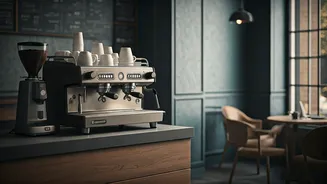
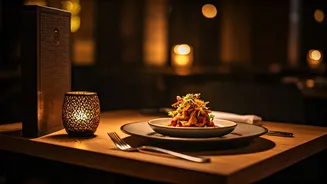
So, what exactly is this 'feeling' that diners are paying for? It's an amalgamation of carefully crafted elements that together create a cohesive and immersive atmosphere. It’s about more than just expensive interiors. The 'vibe' is a sensory mix of mood lighting, a well-curated music playlist, comfortable and aesthetic seating, and even the narrative woven into the menu and decor. Restaurants are tapping into India's rich cultural heritage, with themes inspired by traditional art and folklore to create a sense of nostalgia. Some establishments offer interactive elements like open kitchens, chef's tables, and live entertainment, with reports showing that a significant majority of Indian diners value these engaging experiences. The goal is to create an emotional connection that makes the meal unforgettable.
The Social Media Effect
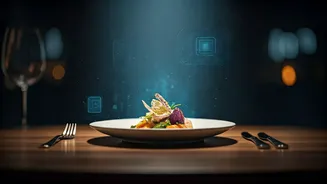
It's impossible to discuss modern dining trends without acknowledging the immense influence of social media. Platforms like Instagram have become the new word-of-mouth, fundamentally changing how diners discover and choose restaurants. A study highlighted that 84% of consumers use social media to find new dining spots. This has put pressure on restaurateurs to create visually appealing, 'Instagrammable' spaces and presentations. The look of a dish and the aesthetic of the interior are now crucial marketing tools that attract customers seeking to document and share their experiences online. This digital-first approach means that for many, the dining experience begins with a scroll through their social media feed.
Is the Food Taking a Backseat?
With such a strong emphasis on ambiance and experience, a valid question arises: is the quality of food being compromised? Some diners and industry watchers have noted that aesthetics occasionally seem to take priority over taste. However, the most successful establishments understand that the 'feeling' is an enhancement, not a replacement, for excellent cuisine. The new benchmark for success is a seamless blend of both. Many top-tier restaurants are proving that immersive concepts and high-quality food can coexist beautifully. For instance, chefs are reinterpreting regional Indian cuisines and focusing on hyper-local, sustainably sourced ingredients, weaving a story that begins with the farm and ends on the plate. This approach shows that a compelling narrative can make good food taste even better.