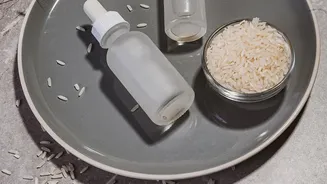



What's in Rice Water?
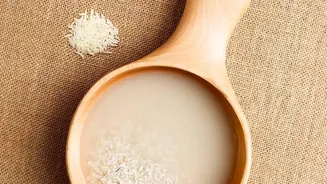
That milky water left over from washing or boiling rice is filled with beneficial compounds. Its primary component is starch, which acts as a food source for beneficial microorganisms in the soil. These microbes help break down organic matter, making
nutrients more available to plant roots. Rice water also contains small, trace amounts of the 'big three' nutrients—nitrogen (N), phosphorus (P), and potassium (K)—along with B vitamins and other minerals like magnesium and zinc. While it's not a complete fertilizer, think of it as a gentle, natural supplement to your regular plant care routine.
Fresh vs. Fermented: Which Is Better?
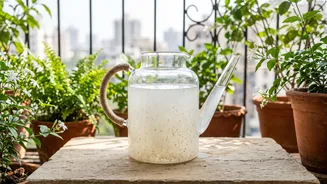
You can use rice water in two main ways: fresh or fermented. Fresh rice water, the liquid collected right after rinsing, is the mildest option and can be used immediately, often without dilution. Fermented rice water is more potent. By letting the rinse water sit in a loosely covered jar for a few days, you encourage the growth of beneficial bacteria, like lactic acid bacteria. This process can increase the nutrient availability and lower the pH, which is great for acid-loving plants like tomatoes and azaleas. Research from Universiti Putra Malaysia has shown that fermented rice water can significantly boost plant growth.
How to Prepare and Use It
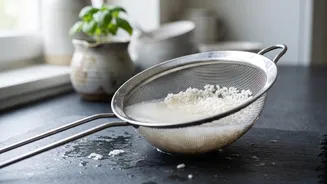
Preparing rice water is simple. For a fresh application, just collect the cloudy water from your first rinse of uncooked, unsalted rice and apply it directly to the soil. For a fermented batch, pour the rinse water into a jar, cover it loosely with a cloth, and let it sit at room temperature for two to five days until it smells slightly sour. A crucial step for fermented water is dilution; mix it 1:1 with plain water before using to avoid overwhelming your plants. It's best to apply rice water to soil that is already slightly moist, either in the early morning or evening.
Finding the Right Frequency
The headline suggests a weekly application, but for many plants, this may be too often. Overuse is the most common mistake gardeners make. A safer frequency for most houseplants and garden varieties is once every two to four weeks during the active growing season. During dormant periods in winter, you should stop using it altogether, as plants aren't actively taking up nutrients. The best approach is to start slow and observe how your plants respond. If you see yellowing leaves or a crust forming on the soil, it's a sign to reduce the frequency or dilute the mixture more.
Potential Risks and How to Avoid Them
While rice water is natural, it is not without risks if used improperly. The high starch content can lead to a crust on the soil surface, blocking oxygen and potentially causing root rot. It can also attract pests like fungus gnats and ants, especially indoors. In some cases, it can encourage the growth of unwanted mould or bacteria. To use it safely, always use unsalted water, dilute fermented batches, and avoid applying it to already soggy soil. If you notice any negative signs like a bad smell or mould, flush the soil with plain water and take a break from the rice water treatments.
Which Plants Benefit Most?
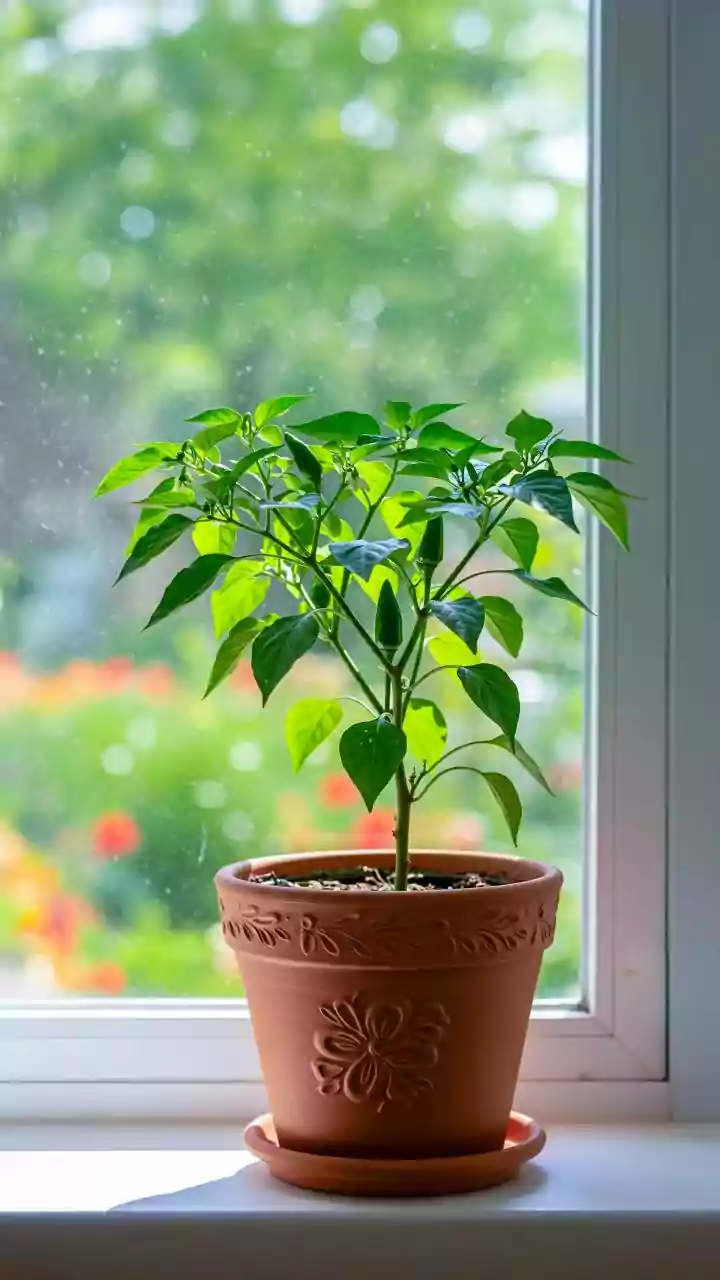
Rice water is most beneficial for plants that are heavy feeders or appreciate slightly acidic soil. This includes many vegetables like tomatoes, leafy greens, and peppers, as well as tropical houseplants like pothos and peace lilies. However, you should avoid using it on plants that prefer dry conditions, such as succulents and cacti, as the added moisture and starch can promote fungal growth. Seedlings can also be sensitive, so if you use it on them, ensure it is well-diluted.