



The End of the Minimalist Era
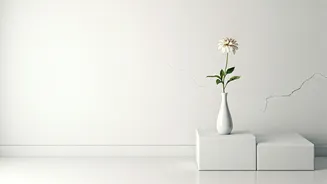
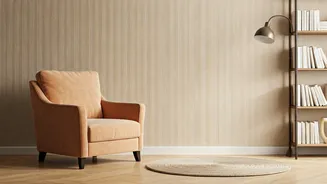
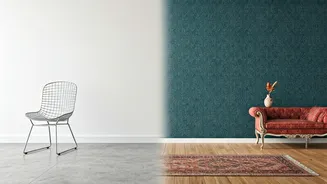
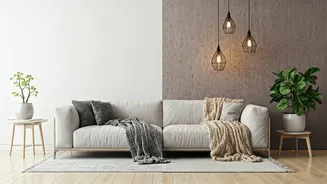
Remember the 2010s? It was the decade of decluttering, dominated by the serene, almost clinical aesthetic of Scandinavian and minimalist design. White, beige, and shades of grey were the undisputed kings of the colour palette. The philosophy was simple
and seductive: an uncluttered home leads to an uncluttered mind. This look, popularised by influencers and design magazines, projected a sense of calm, order, and sophisticated restraint. It was about creating a blank canvas, a neutral backdrop for a curated, aspirational life. But for many, this pursuit of perfection eventually started to feel less like a sanctuary and more like a showroom—beautiful to look at, but difficult to actually live in.
Enter 'Dopamine Decor'
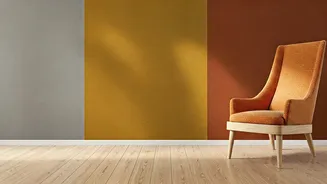
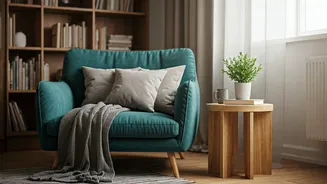
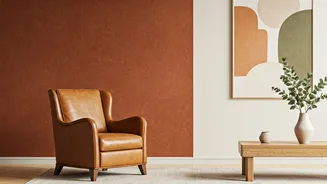
The pendulum is now swinging in the opposite direction. Enter the era of personality-packed interiors, often dubbed 'dopamine decor.' This trend is all about using your home to actively boost your mood. Think rich jewel tones, bold patterns, clashing textures, and walls adorned with art that makes you smile. It's a departure from the idea that a home should be a neutral space. Instead, it argues that our environments should be stimulating, joyful, and deeply personal. This isn't about chaos; it's about curated maximalism. Every object has a story, every colour choice is intentional, and the overall effect is one of warmth, energy, and authenticity. The goal is no longer to impress guests with pristine emptiness but to envelop oneself in a space that feels uniquely and unapologetically 'you.'
A Post-Pandemic Shift in Priorities
So, why the sudden change? The global pandemic was a major catalyst. Forced to spend unprecedented amounts of time at home, we began to see our living spaces differently. They were no longer just places to sleep and eat; they became our offices, gyms, cinemas, and sanctuaries. The sterile, impersonal white box suddenly felt cold and uninspiring. We craved comfort, security, and visual joy. This deep-seated need for our homes to be nurturing havens sparked a collective move towards warmer, more expressive interiors. People wanted their surroundings to reflect their passions, memories, and histories, creating a comforting nest filled with things they truly love.
The Art of the 'Lived-In' Look
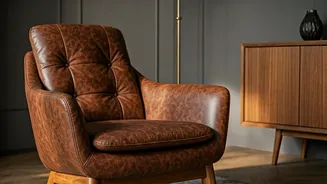
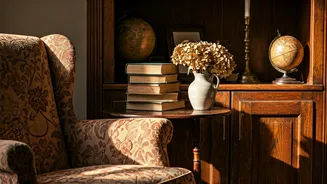
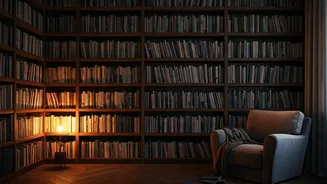
The term 'lived-in' is key here, and it's often misunderstood. It doesn’t mean messy or untidy. A lived-in space is thoughtfully curated to tell a personal story. It’s about proudly displaying your book collection instead of hiding it away, layering heirloom rugs with modern furniture, and mixing flea market finds with cherished travel souvenirs. It’s the opposite of a one-stop-shop, catalogue look. This style celebrates imperfection—the slightly worn armchair, the gallery wall of mismatched frames, the stack of magazines on the coffee table. These elements add character and prove that a real person, with a real life full of experiences, inhabits the space. It is a declaration of identity through objects and atmosphere.
How to Embrace the Colourful Shift
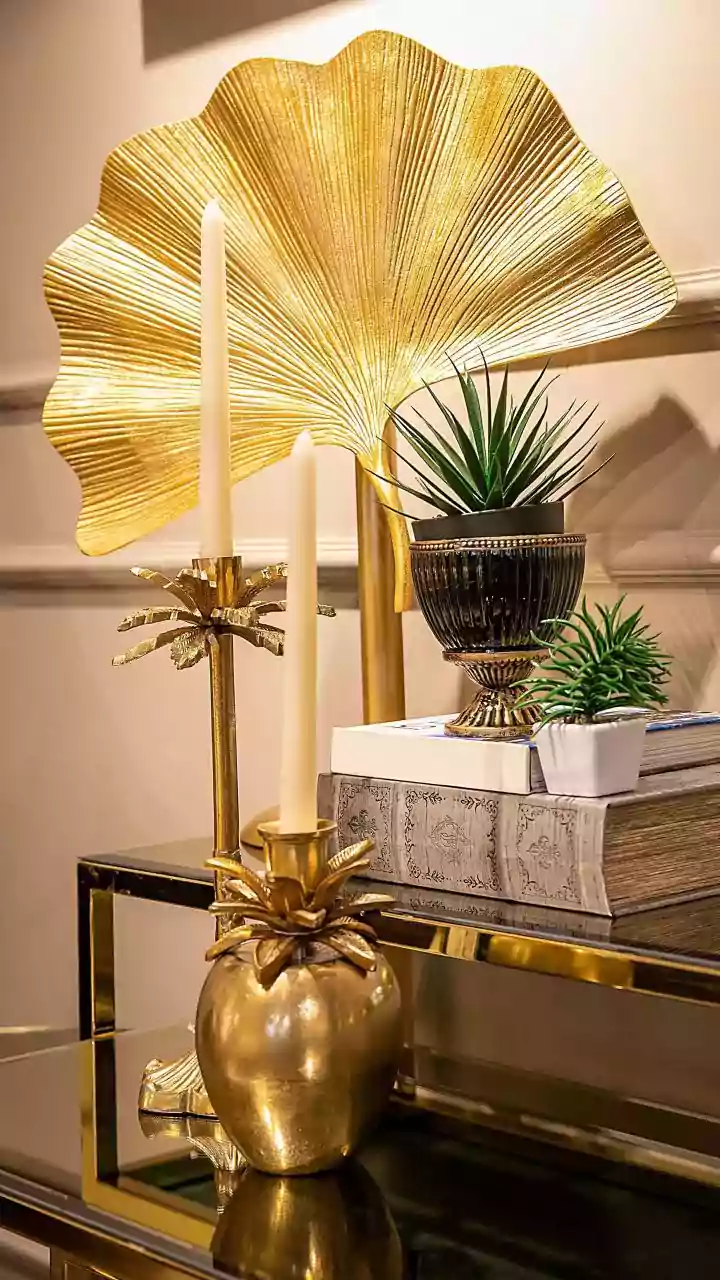
Adopting this trend doesn't require a complete overhaul. The easiest way to start is by injecting colour. Paint a single accent wall in a bold emerald green or deep navy, or introduce vibrant cushions and throws to your sofa. Next, 'shop your own home.' Pull out meaningful objects that have been stored away—pottery from a past trip, vintage family photos, a collection of interesting mugs. Arrange them on open shelves or a console table. The goal is to create vignettes that spark joy and conversation. Don't be afraid to mix styles, eras, and price points. The magic of a lived-in interior lies in its unique, un-replicable blend of elements that reflect your personal journey.