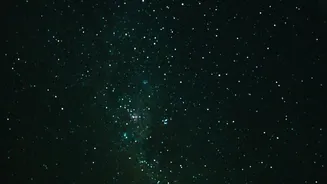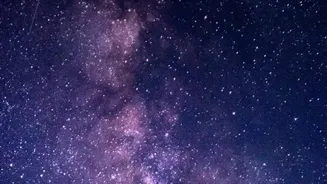



A Village Under a Sea of Stars
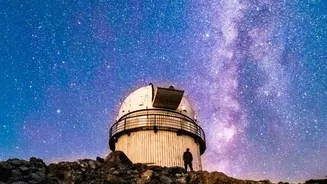
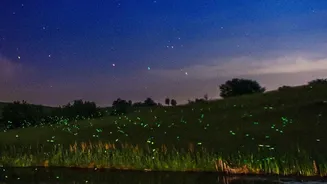
Nestled in the Surgana taluka of Nashik district, Udmal is a small tribal village that possesses an increasingly rare resource: natural darkness. Located away from the urban sprawl, its remote setting within the Kalsubai Harishchandragad Wildlife Sanctuary
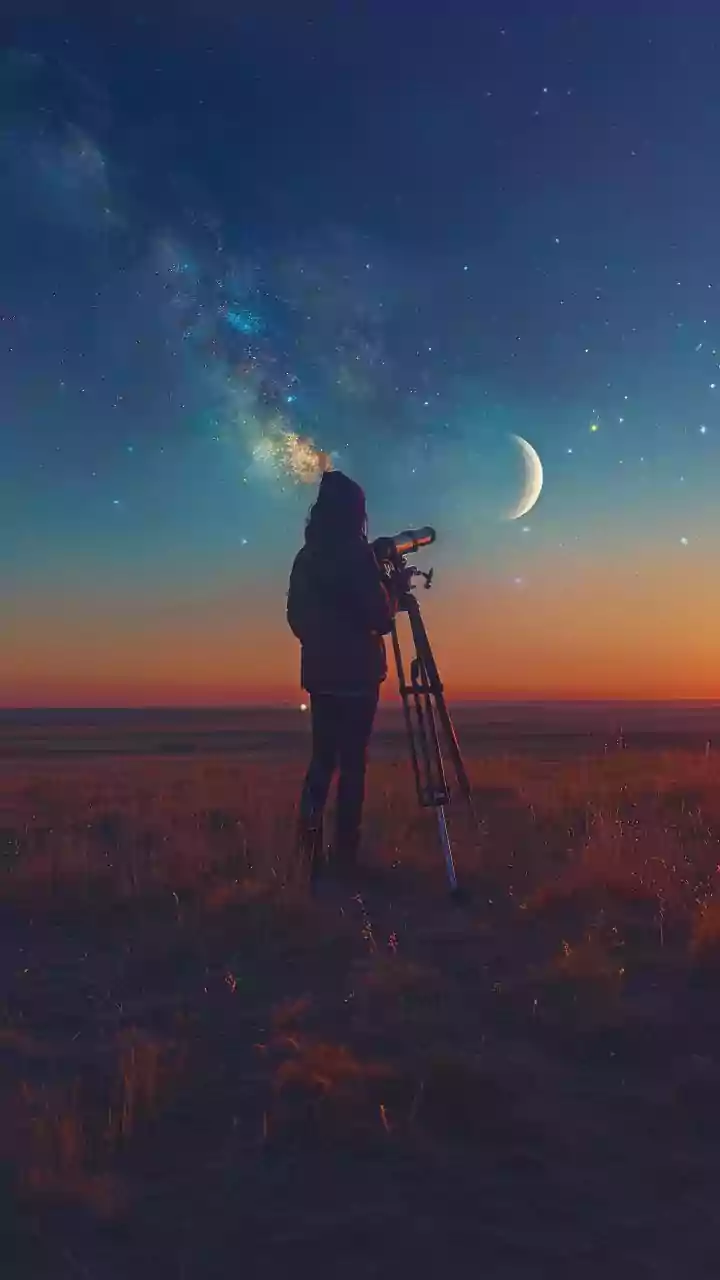
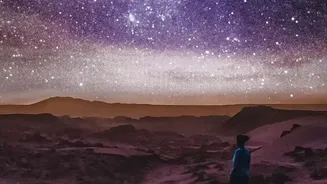
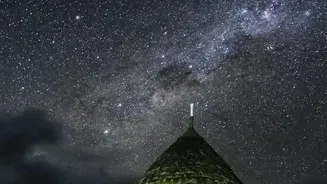
means light pollution is minimal. On clear nights, the sky above Udmal is not just dotted with stars; it’s a canvas where the Milky Way is clearly visible to the naked eye. For most urban dwellers in India, this celestial spectacle is something seen only in pictures. In Udmal, it is a nightly reality, and one the community has decided is worth protecting for its cultural and economic future.
The Creeping Threat of Light Pollution
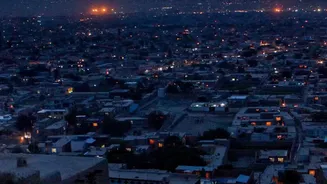
Light pollution is more than just an inconvenience for astronomers. The excessive and misdirected artificial light from cities and towns creates a phenomenon called ‘skyglow,’ an orange or white haze that blots out the stars. This has significant consequences. Ecologically, it disrupts the behaviour of nocturnal animals like moths, bats, and even sea turtles. For humans, constant exposure to artificial light at night, especially blue-rich light from LEDs, can interfere with our circadian rhythms, affecting sleep and potentially contributing to health issues. As India rapidly urbanises, with some cities now 40-50 times brighter than natural levels, pristine night skies are becoming an endangered resource.
A Community-Led Conservation Effort
The movement in Udmal is a grassroots initiative. In a landmark decision, the village's Gram Sabha passed a resolution under the Panchayats (Extension to Scheduled Areas) Act, or PESA, to actively preserve their night sky. This wasn't a policy imposed from the outside; it was a choice made by over 200 residents who saw value in their darkness. The goal is to become Maharashtra's first officially certified 'Dark Sky Community' by DarkSky International, a designation that recognises a community's commitment to responsible lighting and night sky education. The district administration has sanctioned over ₹42 lakh to support this vision, funding everything from lighting assessments to public awareness campaigns.
How to Save the Night
Protecting the dark doesn't mean plunging the village into total blackness. The strategy is about smart, efficient, and responsible lighting. The project, implemented with the help of NGOs like AstronEra, involves replacing harsh, unshielded streetlights with 'dark sky friendly' fixtures. These lights are designed to point downwards, illuminating only the areas that need it. They use warmer-coloured bulbs to reduce the harmful blue light content and are often fitted with dimmers or timers. The aim is to eliminate wasted light that spills upwards into the sky. It's a simple, practical approach that enhances safety and visibility on the ground while preserving the view above.
More Than Just Stargazing
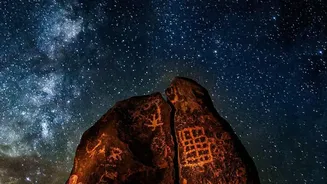
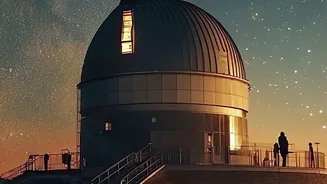
For the local Kokna tribal community, this initiative is about more than just preserving a pretty view. It’s about creating new, sustainable livelihood opportunities centered around astro-tourism. The project aims to train local youth as guides for stargazing sessions, night-sky photography workshops, and educational programmes. Instead of building large resorts, the model focuses on community-led tourism that complements the village's natural and cultural identity. It's a way to generate income while fostering a deeper connection to science, nature, and local heritage, inspiring a new generation of students and entrepreneurs.
A Beacon for the Rest of India
Udmal’s effort is part of a growing movement across Maharashtra and India. Following the lead of places like Pench Tiger Reserve, which was named India's first Dark Sky Park, Maharashtra has identified several other potential sites for dark sky protection. However, Udmal's approach is unique because it is driven by a living community, not just a protected park. It serves as a powerful example of how local communities can take the lead in conservation, turning a perceived limitation—remoteness and darkness—into a unique economic and cultural strength.