
The Perfect Autumn Canvas
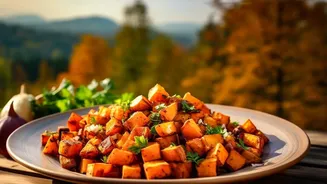
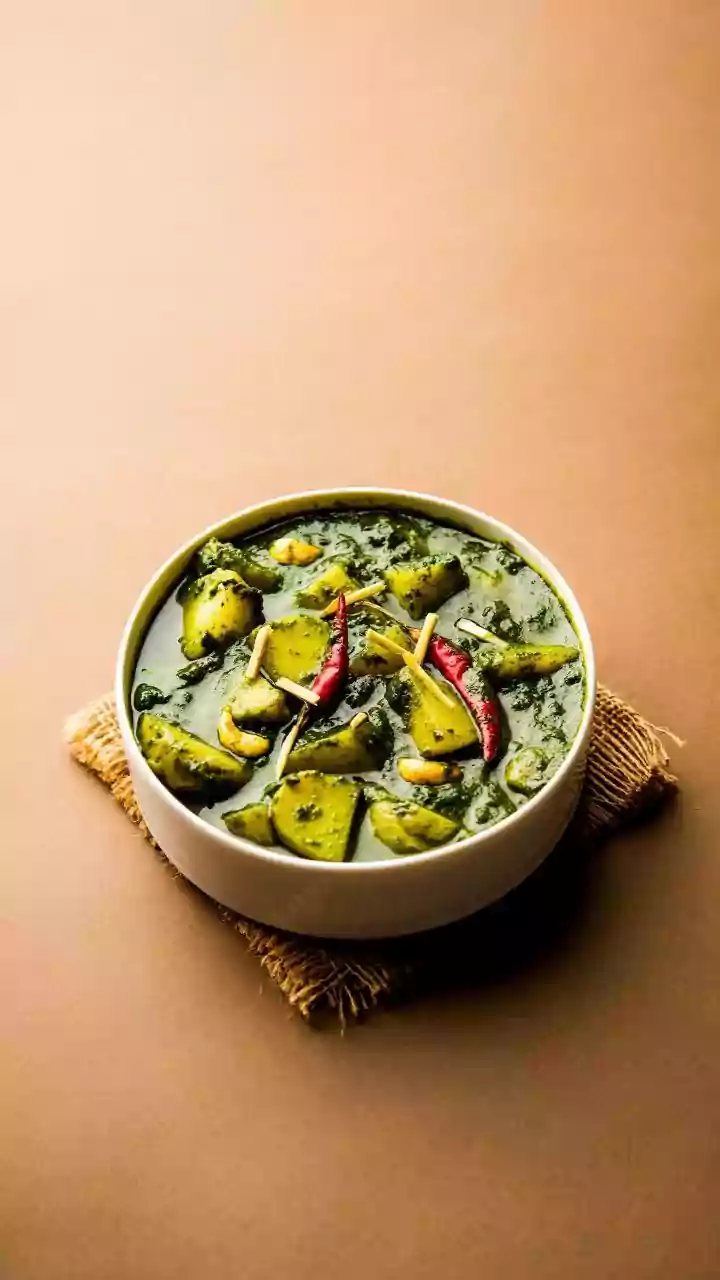
Sweet potatoes and plantains are culinary superstars when the weather cools. Their natural sugars provide a perfect counterpoint to complex spice blends, while their firm texture holds up beautifully in a simmering curry. Sweet potatoes offer an earthy
sweetness and a creamy consistency when cooked, while plantains contribute a milder, starchier sweetness that can range from firm to soft depending on their ripeness. This combination creates a dynamic base, ready to be transformed by the distinct personalities of India's regional spice palettes. The key is to move beyond a generic curry powder and explore specific blends that have been perfected over generations to complement ingredients just like these.
The Bengali Touch: Panch Phoron’s Magic
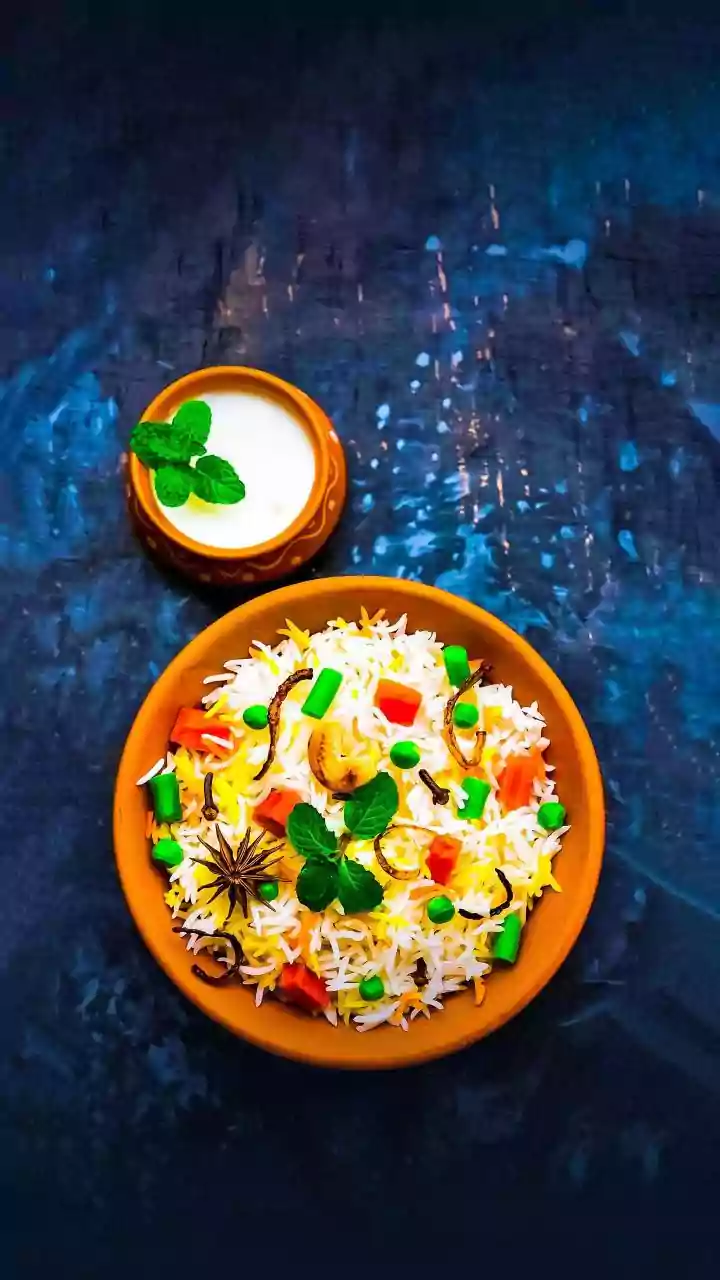
From Eastern India, particularly Bengal, comes panch phoron, a unique whole-spice blend that translates to "five spices". It typically consists of an equal mix of fenugreek, nigella, cumin, black mustard, and fennel seeds. Unlike many spice mixes, panch phoron is not ground but used whole. When fried in hot oil, a process known as tempering or 'tadka', these seeds pop and release a symphony of aromas and flavours—from the slight bitterness of fenugreek to the anise-like sweetness of fennel. This aromatic, slightly bittersweet character is a brilliant counterpoint to the sweetness of sweet potato and plantain, creating a curry that is layered, fragrant, and anything but one-dimensional. A simple stir-fry with tempered panch phoron, sweet potatoes, and onions can be a revelation.
The Southern Staple: Kerala's Coconut & Spice
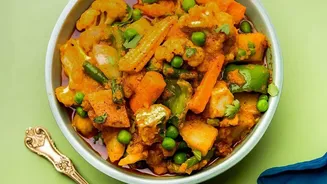
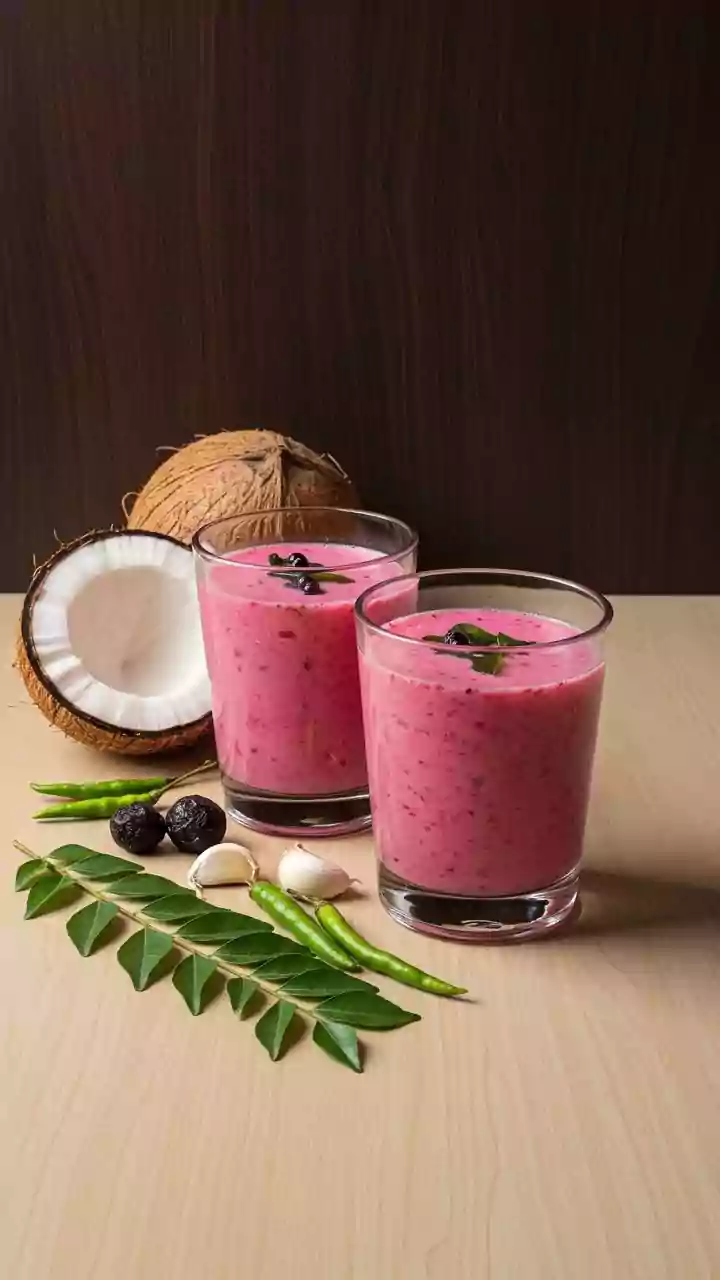
Travel south to Kerala, and the flavour profile shifts dramatically towards a creamy, fragrant, and tangy experience. Here, the heroes are mustard seeds, curry leaves, turmeric, and fresh coconut. A Keralan-style curry, often called an 'erissery' when made with vegetables like plantain and sweet potato, begins by cooking the vegetables with turmeric and pepper. A fresh paste of grated coconut and cumin seeds is then added to create a thick, flavourful gravy. The final flourish is a tempering of mustard seeds crackling in coconut oil, along with curry leaves and perhaps a dried red chilli. This tadka is poured over the finished dish, infusing it with an irresistible aroma. The combination of creamy coconut, pungent mustard, and fragrant curry leaves beautifully complements the starchy sweetness of the vegetables.
The Northern Classic: The Warmth of Garam Masala
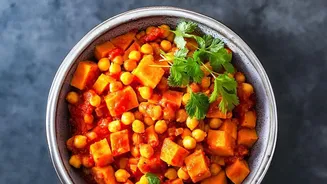
In North India, curries often feature a base of onions and tomatoes, enriched with warming, aromatic ground spices. The quintessential blend here is garam masala, a complex mix that can include cinnamon, cloves, cardamom, cumin, and coriander. Unlike panch phoron, which is often added at the start, garam masala is typically added towards the end of cooking to preserve its potent, fragrant oils. For a Northern-style sweet potato curry, you would typically sauté onions, ginger, and garlic before adding tomatoes and ground spices like turmeric, coriander, and chilli powder. The sweet potatoes are then simmered in this rich base until tender. A final sprinkle of garam masala provides a wave of warmth and aroma, creating a deep, hearty, and comforting curry that is perfect for a chilly evening.
Mastering the Tempering Technique
The secret to unlocking the full potential of many Indian spices lies in the technique of tempering, known as tadka or chaunk. This involves briefly frying whole spices in hot oil or ghee to make them release their essential oils and deepest flavours. The key is to have all your ingredients ready, as the process is very quick. Heat the oil over medium heat, and add the toughest spices like mustard or cumin seeds first. Wait for them to sizzle and pop, which indicates they are releasing their flavour. Then, you can add quicker-cooking ingredients like dried chillies or curry leaves. Ground spices are added last, as they can burn in seconds. This fragrant, infused oil is then poured over your curry, lentils, or vegetables, instantly elevating the entire dish with a burst of aroma and complexity.