




A Call for Speed
During a recent official visit to Egypt, Union Commerce and Industry Minister Piyush Goyal highlighted an urgent need for global aircraft manufacturers to accelerate their delivery schedules for Indian airlines. Goyal stated that while Indian carriers
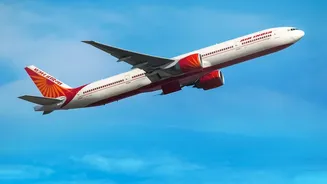
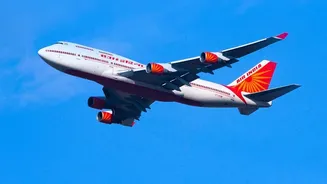
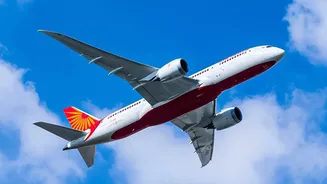
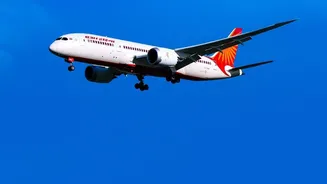
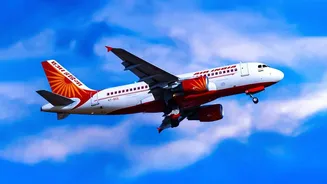
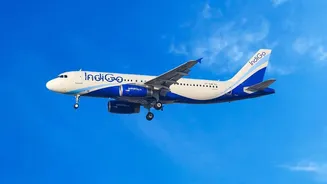
like IndiGo, Air India, and Akasa Air have already ordered more than 1,200 aircraft, the country's total requirement exceeds 2,000 planes. This has prompted the government to actively pursue manufacturers for quicker supplies to bridge the widening gap between passenger demand and fleet capacity. The minister described the shortage as 'acute', underscoring the pressure on India's aviation infrastructure.
India's Sky-High Ambitions
The demand for new aircraft is fuelled by unprecedented growth in the Indian aviation market, which is projected to expand at an annual rate of 7.1 per cent between 2026 and 2036, one of the fastest rates globally. To capture this growth, Indian airlines have placed some of the largest orders in aviation history. In 2023 alone, Air India confirmed a blockbuster deal for 470 jets from Airbus and Boeing, while IndiGo placed a record-breaking order for 500 Airbus A320-family aircraft. Newer entrant Akasa Air has also built a significant order book for 226 Boeing 737 MAX planes. These staggering numbers reflect the carriers' aggressive expansion plans for both domestic and international routes.
The Global Production Bottleneck
Despite the massive orders, new aircraft are not arriving fast enough. Global manufacturers Airbus and Boeing are grappling with significant production delays stemming from persistent supply chain disruptions, component shortages, and constrained maintenance capacity. Issues with engine suppliers have been particularly damaging, leading to dozens of aircraft being grounded across Indian fleets and adding to the capacity crunch. According to reports, these production backlogs are so severe that some deliveries for current orders are not expected until as late as 2034. Both manufacturers are struggling to ramp up production to meet the global demand, with Airbus citing issues with fuselage components and Boeing facing its own production challenges.
The Ripple Effect on Airlines and Flyers
The delivery delays create a difficult situation for Indian airlines. Their expansion plans are directly tied to the arrival of new, more fuel-efficient aircraft. The inability to add capacity means they risk missing out on the surging passenger demand. According to a report from the credit rating agency ICRA, these supply chain issues have severely limited the operational capacity of the industry. Airlines are often forced to resort to leasing older, less efficient aircraft at higher costs to fill the gap, which puts pressure on their finances. For passengers, this capacity constraint can translate into higher airfares and fewer flight options, especially on popular routes, as demand continues to outstrip the available seats.