




The Old Guard's Enduring Reign
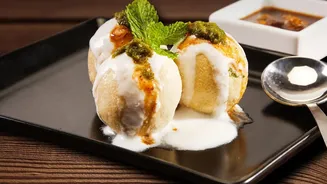
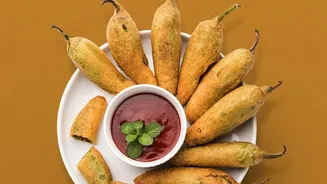
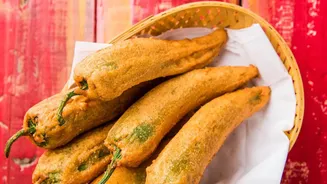
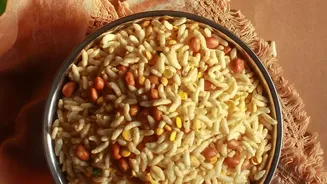
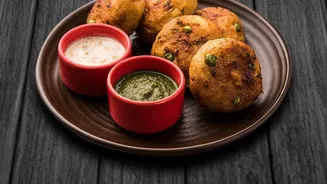
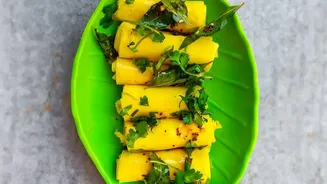
To understand the shift, one must first appreciate the scale of tradition. The Indian snacks market, valued in the tens of billions of dollars, has long been dominated by classic savoury snacks. For the fiscal year 2023-24, the value of traditional items
like bhujia and namkeen astonishingly matched the entire portfolio of Western-style snacks like potato chips. In terms of sheer volume, tradition is the clear winner, commanding a decisive 56% of the salty snacks market. This enduring dominance is built on deep cultural roots and taste profiles, with major players like Haldiram's, Balaji Wafers, and Bikaji building empires on this foundation. However, while the namkeen basket remains full, the aisles around it are rapidly expanding.
A New Appetite: What's Driving the Change?
Several powerful forces are converging to diversify the nation's snacking habits. Rapid urbanisation and busier lifestyles are fuelling a demand for on-the-go convenience that replaces or supplements traditional meals. This 'snackification' of mealtimes is a major driver. Coupled with rising disposable incomes, a growing middle class is more willing and able to experiment with new and premium products. Perhaps the most significant driver is a massive shift in health consciousness. Concerns about lifestyle diseases like diabetes and obesity are pushing consumers to actively seek out healthier alternatives to fried and processed snacks. This isn't a niche urban trend anymore; it's a mainstream movement influencing purchasing decisions across the country.
The Rise of the 'Better-for-You' Bite
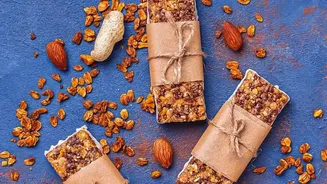
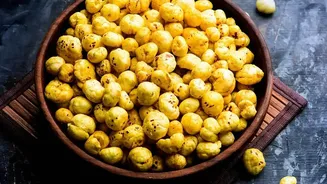
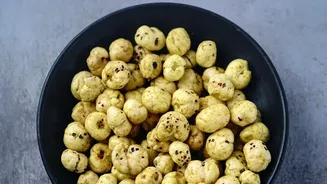
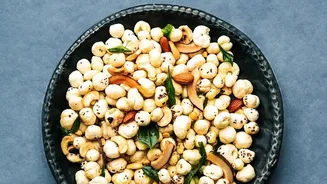
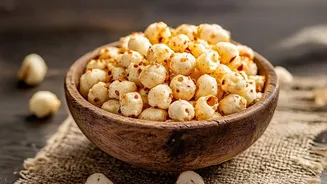
The demand for 'healthy snacks' has exploded, evolving from a vague concept into a well-defined market segment. A 2026 consumer report found that a staggering 86% of respondents consider protein important when choosing a snack. This has propelled ingredients like millets (ragi, jowar, bajra), makhana (fox nuts), oats, and seeds from the fringes to the forefront. Makhana, once a food for fasting, is now a mainstream alternative to potato chips. Similarly, millet-based chips, crackers, and puffs are gaining significant traction. Consumers are scrutinizing labels like never before, with surveys showing over half actively look for natural ingredients and no artificial additives. This has led to the rise of products that are baked, roasted, or air-fried instead of deep-fried, offering familiar crunch without the associated guilt.
Convenience is King, Delivered in Minutes
The modern snack must fit into a hectic schedule, and technology has transformed accessibility. The expansion of e-commerce and, more specifically, quick-commerce platforms has been a game-changer. The ability to have a snack delivered within minutes has not only catered to impulse buys but has also become a crucial discovery channel for new and insurgent brands that may not have shelf space in traditional 'kirana' stores. This digital retail expansion provides a platform for smaller, niche players focusing on healthy, organic, or gourmet offerings to reach a wider audience, further fragmenting an already competitive market. Packaging has also evolved, with single-serve pouches leading the market due to their convenience for on-the-go consumption.
The Future of the Snack Aisle
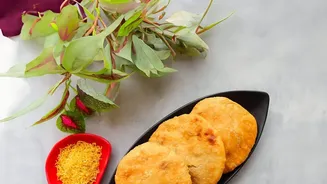
The Indian snack market is not abandoning its traditional roots but rather weaving new threads into its rich tapestry. While namkeen will always have a place, the basket is becoming bigger and more diverse. We can expect to see continued innovation blending health and tradition, such as baked millet snacks with regional spice profiles or protein-enriched versions of classic foods. The market is projected to continue its strong growth, with some forecasts predicting it will reach nearly USD 100 billion by 2035. This growth will be fueled by brands that can successfully balance the consumer's craving for taste, the demand for nutritional benefits, and the need for ultimate convenience. The humble snack is no longer just an afterthought; it’s a conscious choice reflecting the changing face of modern India.