



Why Rain Rules Your August Garden
The monsoon is a blessing for any garden, saving you the daily chore of watering and providing the deep, consistent moisture that helps seeds germinate and plants thrive. However, the difference between a life-giving shower and a destructive downpour
is a fine line. Excessive rain is the biggest challenge for gardeners during this season. It can compact soil, wash away freshly sown seeds, and create waterlogged conditions where roots can't get enough oxygen, leading to root rot. High humidity also creates the perfect environment for fungal diseases and pests. Therefore, before you sow a single seed this August, the most important step is to assess your local conditions. Is your area receiving relentless, heavy rain, or are you seeing moderate, well-spaced showers? The answer will determine not only what you should plant but also how you should plant it.
For Gardens with Heavy, Continuous Rainfall
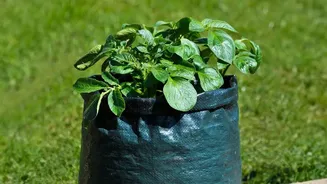
If your garden is being drenched daily, drainage is your top priority. Without it, most seedlings will fail. The best strategy is to plant in containers or raised beds where you can control the soil mix and ensure excess water has a place to go. Make sure your pots have plenty of drainage holes and consider elevating them on bricks or stands. In these conditions, opt for plants that can tolerate wet feet. Leafy greens like Spinach (Palak), Amaranth (Chaulai), and Malabar Spinach grow quickly and don't mind the dampness. This is also an excellent time for gourd varieties such as Bottle Gourd (Lauki) and Bitter Gourd (Karela), as their vines can be trained up a trellis, keeping the leaves and fruit away from the soggy ground. Some flowering plants that handle heavy rain well include the vibrant Balsam (Impatiens balsamina) and hardy Hibiscus.
For Areas with Moderate, Spaced-Out Showers
If you're lucky enough to experience moderate rainfall—enough to keep the soil moist but not waterlogged—your options expand considerably. This is the ideal monsoon gardening scenario. You can confidently sow a wide variety of vegetables directly into your garden beds. Okra (Bhindi) is a monsoon superstar, thriving in the warm, humid weather. Beans, both bush and pole varieties, also do exceptionally well when sown now. Other great choices for August sowing in these conditions include Cucumber, Radish (Mooli), and Brinjal. For flowers that will add a splash of colour, consider Marigolds, Zinnias, and Cosmos. These varieties germinate reliably in the moist soil and will be ready to put on a show as the festival season approaches.
If the Monsoon Is Weak or Tapering Off
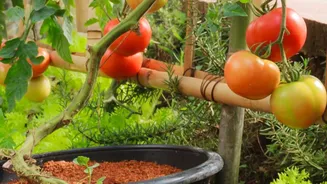
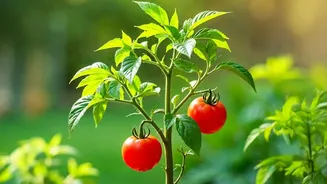
In regions where the monsoon is less intense or starting to recede, you can begin sowing vegetables that prefer slightly less moisture. This is a perfect window to plant root vegetables like Carrots and Beetroot. While they need consistent moisture to germinate, they don't appreciate sitting in saturated soil as they mature. You can also sow another round of Coriander (Dhania) and Fenugreek (Methi), which grow fast in the residual moisture and moderate temperatures. For fruiting vegetables, Tomatoes can be started now, provided you ensure good air circulation and water at the base of the plant to keep the foliage dry and prevent fungal issues. If you still want to add flowers, Portulaca and Nasturtiums are excellent choices that thrive in sunny spots and are more forgiving of drier spells.
Essential Monsoon Sowing Techniques
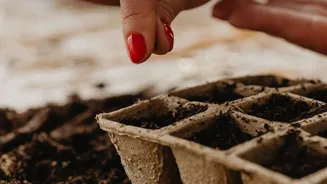
Regardless of rainfall, a few techniques can significantly increase your success rate. First, prepare your soil by adding compost to improve its structure and drainage. Sow seeds slightly shallower than you would in dry weather, as heavy rain can compact the soil on top. To combat fungal diseases like damping off, which is common in humid weather, you can treat seeds with a fungicide before planting. For vining plants, install your trellis or support structure at the time of sowing. Finally, be vigilant about pests like slugs and snails, which are more active during the monsoon. A layer of mulch can help, but regular checks are your best defence.