




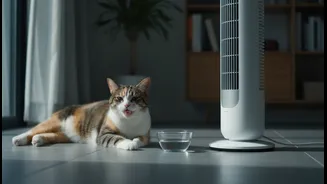


Why Your Home Can Be a Hazard
We think of home as a safe haven, but even indoors, our pets are vulnerable. Unlike humans, animals like dogs and cats primarily cool down by panting, which is less effective in high humidity. Small animals such as rabbits and hamsters are even more sensitive
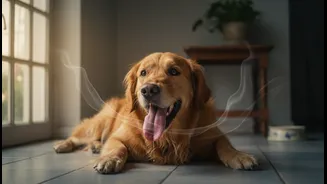
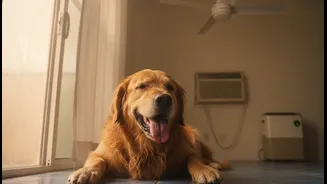
to heat. An apartment without adequate ventilation, rooms with direct sun exposure, and even power cuts that disable fans or AC can quickly turn a comfortable space into a heat trap. Recent reports show a rise in heatstroke cases occurring not from walks or being left in cars, but from pets simply resting at home in extreme temperatures. This is especially true for flat-faced (brachycephalic) breeds, overweight pets, and the very young or old.
Recognising the Danger Signs
Acting fast can save your pet's life, so it's crucial to know the symptoms. While they vary slightly between species, some universal signs of distress include excessive panting, heavy drooling, and obvious weakness or lethargy. In dogs, look for bright red gums, vomiting, and stumbling. Cats, who are masters at hiding illness, might breathe with their mouths open (a serious red flag), become restless, or groom excessively to cool off. Smaller pets like rabbits and guinea pigs may show accelerated, shallow breathing, have hot ears, and appear confused or weak. If you see any of these signs, you must act immediately.
Prevention Tips for All Pets
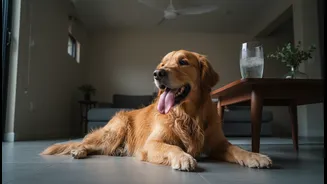
Prevention is always the best medicine. Ensure continuous indoor cooling by using fans or air conditioning, especially when temperatures climb above 32°C. Closing curtains or blinds during the hottest parts of the day can block direct sunlight and keep rooms cooler. Always provide multiple sources of fresh, cool water; adding ice cubes can help. For dogs and cats, you can place ceramic tiles or a wet towel on the floor for them to lie on. Grooming your pets regularly to remove excess fur also helps them stay comfortable.
Specific Care for Small Animals
Rabbits, guinea pigs, and hamsters need special attention as they can overheat very quickly. Keep their cages out of direct sunlight, even indoors near a window. Good ventilation is key, so use a fan nearby but never point it directly at their enclosure. A great tip is to place a frozen water bottle wrapped in a towel inside or alongside their cage for them to lie against. Rabbits use their ears to regulate body temperature, so lightly spraying their ears with cool water can provide relief. Ensure their bedding isn't too thick, as it can trap heat.
Emergency First Aid: What to Do
If you suspect your pet has heatstroke, the principle is to cool first, then transport to a vet. Immediately move your pet to the coolest, best-ventilated area you can find. Begin cooling them by pouring cool—not ice-cold—water over their body, focusing on the neck, groin, and paws. Using ice or ice-cold water is dangerous as it can cause blood vessels to constrict, trapping heat and potentially leading to shock. Directing a fan towards them will help speed up cooling through evaporation. Offer small amounts of cool water to drink, but do not force it. Even if your pet seems to recover after cooling, it is critical to take them to a veterinarian immediately. Heatstroke can cause delayed organ damage that isn't immediately visible.