




Meet the Nearly Indestructible Snake Plant
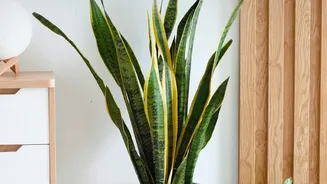
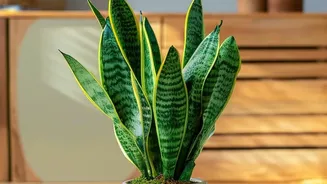
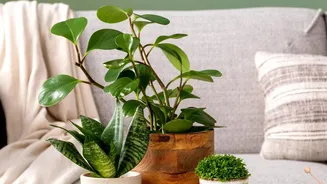
The snake plant, now officially known as Dracaena trifasciata, is famous for its striking, sword-like leaves that grow vertically. With varieties featuring different patterns of green, yellow, and silver, it offers a modern, architectural look that suits
any decor. Often called 'mother-in-law’s tongue', this plant is a true survivor, making it perfect for beginners or those who travel often. It's native to West Africa and is celebrated for its resilience and ability to tolerate conditions that would doom many other houseplants. They are slow growers, especially in low light, but their steady presence brings a sense of calm and structure to a room.
How to Care for Your Snake Plant
The number one rule for snake plant care is to avoid overwatering. These plants are highly susceptible to root rot, so it's best to err on the side of caution. Water only when the soil is completely dry to the touch, which might be as infrequently as every 2-3 weeks in the spring and summer, and even less—perhaps once a month—in the winter. In terms of light, snake plants are incredibly adaptable. While they prefer bright, indirect sunlight, they can tolerate low-light conditions, making them suitable for shadier corners of your home. Direct sun can scorch their leaves, so it's best to avoid it. They are not demanding about humidity and thrive in typical indoor temperatures. Lastly, keep in mind they are mildly toxic to pets if ingested.
Discover the Forgiving and Fast-Growing Pothos
Pothos, or Epipremnum aureum, is another all-star for new plant parents, beloved for its heart-shaped leaves and cascading vines. Also known as 'devil's ivy', it's incredibly resilient and can thrive in a variety of indoor settings. Its trailing nature makes it perfect for hanging baskets, shelves, or desks where its vines can spill over gracefully. There are many varieties, from the classic Golden Pothos with yellow variegation to the Marble Queen with creamy white patterns. This plant is a fast grower, providing a lush, vibrant look relatively quickly with minimal effort.
How to Care for Your Pothos
Like the snake plant, the most common mistake with pothos is overwatering. A good rule of thumb is to water when the top one to two inches of soil feel dry. They prefer bright, indirect light to maintain their variegation, but can easily adapt to lower light levels, though their growth might slow and colors may fade. Avoid direct sunlight, which can burn the leaves. Pothos enjoys a bit of humidity, so occasional misting or placing it in a naturally more humid room like a kitchen or bathroom can be beneficial, though it adapts well to average home humidity too. Like snake plants, Pothos is toxic to pets, so be sure to place it out of reach of curious cats and dogs.
But Do They Really Purify the Air?
This is one of the biggest claims about houseplants, and the answer is nuanced. The idea stems from a 1989 NASA study which found that certain plants, including snake plants and pothos, could remove volatile organic compounds (VOCs) like benzene and formaldehyde from the air in a sealed chamber. The science was sound for that controlled environment. However, our homes and offices are not sealed chambers; they have constant air exchange from open windows, doors, and ventilation systems. More recent analyses have concluded that you would need a huge number of plants—between 10 and 1,000 per square meter—to achieve the same air-cleaning effect as a building's standard ventilation. So, while your plants do absorb some pollutants, they shouldn't be considered a replacement for good airflow. Think of their air-purifying quality as a small bonus rather than their primary function.
Styling Your Low-Maintenance Greenery
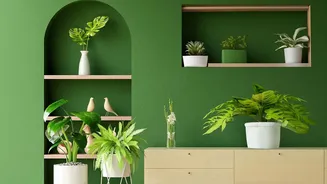
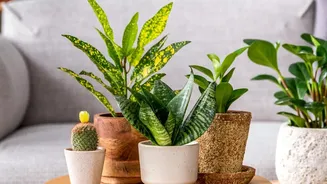
The beauty of these plants lies not just in their resilience but also in their versatility. A snake plant’s upright form makes it an excellent floor plant, standing tall in a corner or next to a dresser. Smaller varieties are perfect for adding vertical interest to a bookshelf or a wide windowsill. Pothos is a natural choice for adding a touch of the wild to your space. Let its vines trail down from a high shelf, the top of a cabinet, or a hanging planter. On a desk, you can train its vines to frame your monitor or spill over the edge, creating a miniature indoor jungle. Combining the vertical shape of the snake plant with the trailing nature of pothos can create a dynamic and visually interesting plant display with very little fuss.